

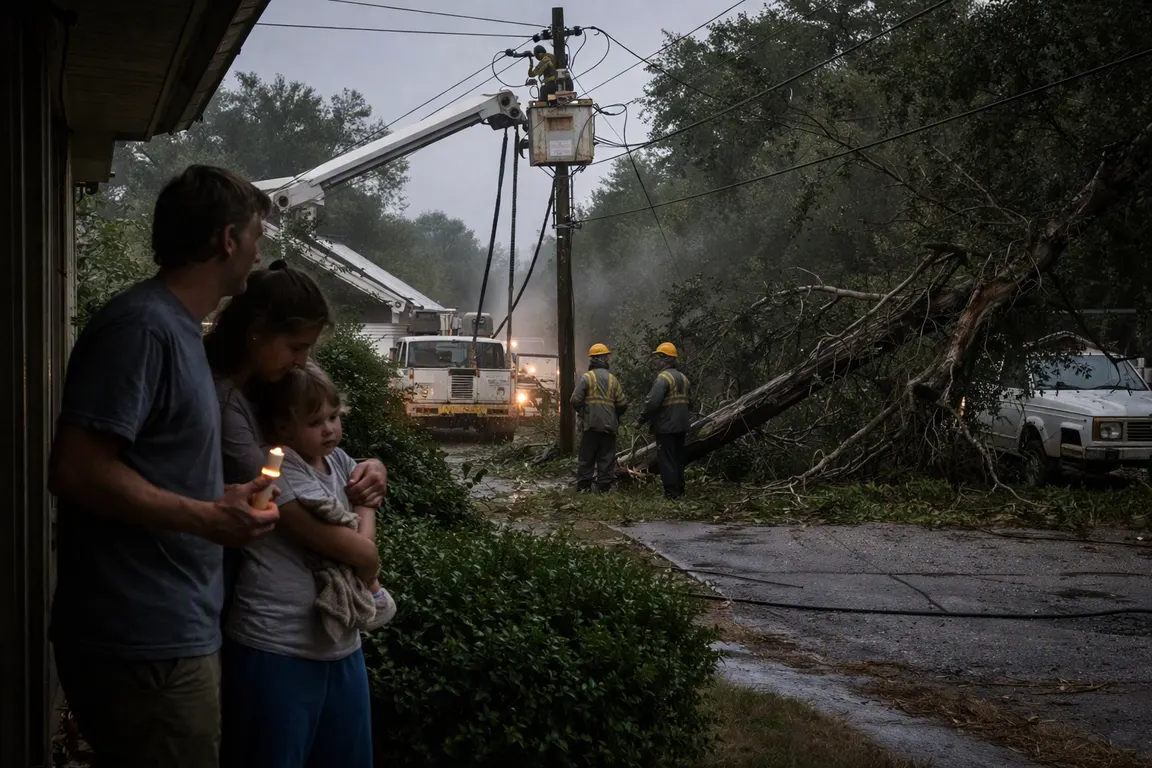
Hurricane Isaias power outage began as the storm made landfall on the Florida panhandle just before 8:30 a.m. local time Friday, Oct. 9, delivering sustained 105‑mph winds as a Category 2 hurricane. The force knocked out electricity for roughly 830,000 customers in Florida, Alabama and Georgia and caused two deaths when falling trees crushed homes—one in Escambia County, Fla., and another in Birmingham, Ala.
Utility operators said about 430,000 customers lost power in Florida, 300,000 in Alabama and 106,000 in Georgia. Emergency managers in the three states have activated mutual‑aid agreements and dispatched crews from neighboring jurisdictions to accelerate line repairs. Mobile generators have been positioned at hospitals in Pensacola and shelters in Mobile, while water utilities are prioritizing neighborhoods with reported pipe damage.
Within hours of landfall the National Hurricane Center re‑classified Isaias as a post‑tropical cyclone as it moved inland. The technical shift does not lessen the storm’s rain and flood threat. Heavy rainfall triggered storm‑surge warnings for low‑lying coastal zones and produced localized flooding in both Florida and Alabama. Downed trees and debris blocked roadways near Destin and the Mobile Bay area, stretching police and fire response teams.
Offshore oil production felt an immediate impact. All platforms operating in the Gulf were evacuated and several drilling rigs were moved to safer waters, causing a brief dip in Gulf output late on Oct. 9. Major refineries, including Chevron’s Pascagoula plant in Mississippi, remained operational after the storm’s track shifted slightly eastward. Analysts say the short‑term production loss may tighten regional supply briefly, but continued refinery operation should prevent a sharp rise in fuel prices nationwide.
Residents in the hardest‑hit areas—the western Florida panhandle, the southern Alabama coast and the coastal fringe of southern Georgia—continue to face prolonged blackouts and the risk of water‑service interruptions. Local officials have urged people to conserve electricity, avoid unnecessary travel and heed flood advisories as the system pushes north toward the Tennessee and Ohio valleys. FEMA has pre‑positioned sandbags and flood‑control equipment in vulnerable counties, and the Army Corps of Engineers is monitoring river levels for potential overflow.
The coming days will hinge on how quickly utility crews can restore power and how effectively flood‑mitigation measures protect homes and infrastructure. State emergency‑management agencies have pledged daily briefings, but the timeline for full restoration remains uncertain, dependent on weather conditions and the extent of grid damage. As Isaias weakens further inland, the focus shifts from wind‑torn roofs to restoring electricity for hospitals, schools and businesses, and to keeping the Gulf’s oil supply chain moving without a prolonged shutdown.