

Houthi missile strike hits Riyadh airport fuel depot
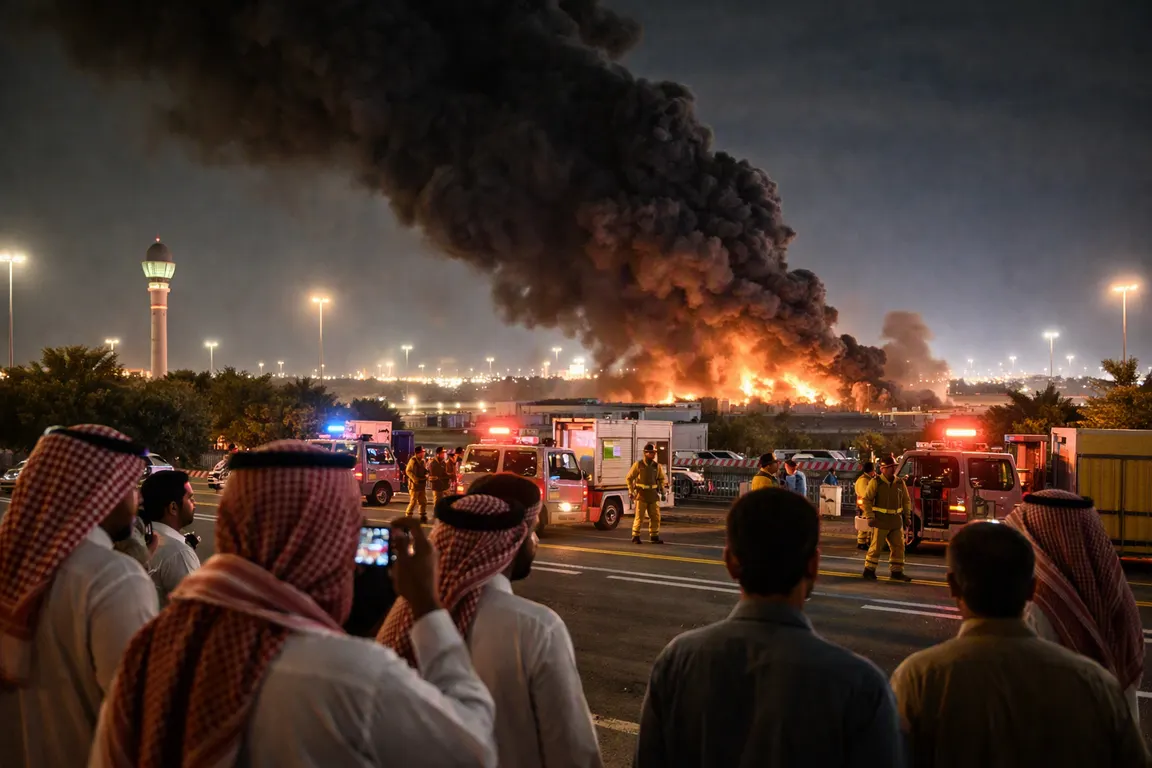
At 02:00 GMT on 19 September 2026, residents of Riyadh heard explosions and saw thick black smoke rise over King Khalid International Airport after a Houthi missile strike Riyadh airport fuel depot. Within minutes, Saudi civil‑defence authorities issued an air‑raid alert for the capital and the western cities of Jeddah and Yanbu – the first such warning in the kingdom’s modern history. The alert was lifted shortly after, but the strike marks the first time the Yemen war has directly struck Saudi Arabia’s political and economic centre.
The missiles hit the airport’s fuel‑storage depot, where tanks bearing the Saudi Aramco logo were damaged. FlightRadar24 reported “major problems” at the airport, with numerous flight cancellations and a temporary pause in operations that disrupted passenger travel and cargo flows. No major structural damage to terminals has been confirmed, and Saudi officials have not released casualty figures. Early reports suggest the impact was limited to the depot, reducing the risk of loss of life, though thousands of residents were ordered to seek shelter.
Multiple news agencies, including Reuters, The Guardian and AFP, confirmed the explosions and the plume of black smoke. The Houthi movement, also known as Ansar Allah, claimed responsibility, saying the missiles targeted “sensitive sites” in the capital. Analysts such as Yasmeen al‑Eryani of the Sanaa Center note that the Houthis have been dictating the pace of escalation since July 2026, when an Iranian‑backed Mahan Air flight resumed to Sanaa and regional tensions rose.
The attack comes as global oil markets wrestle with price volatility linked to broader Middle‑East fighting. Damage to the fuel depot could curtail the short‑term supply of jet fuel and crude‑oil feedstock, even though Saudi Aramco has not indicated any interruption to its broader export operations. Market observers warn that any perceived threat to the kingdom’s oil‑product logistics can ripple through global pricing, especially when markets are already sensitive to supply‑side shocks.
The strike also underscores the growing reach of the Houthi missile programme. Ballistic missiles capable of reaching Riyadh represent a technical leap from earlier, shorter‑range attacks along the Red Sea coast. Whether this reflects a new operational doctrine or a one‑off demonstration of capability remains uncertain, but the ability to hit a high‑value target in the capital suggests a heightened willingness to challenge Saudi air‑defence systems.
The incident arrives against a backdrop of escalating U.S. military support for Saudi Arabia. On 20 September, Washington announced a $24.3 billion sale of 48 F‑35 jets to the kingdom, citing the need to bolster deterrence after the Riyadh strike. The timing indicates that the United States views the attack as a signal of growing Houthi capabilities and may accelerate further arms transactions.
As Saudi authorities assess damage and restore normal airport operations, the next critical steps will be a transparent accounting of fuel losses and a review of air‑defence readiness. The episode raises questions about how the kingdom will adapt its civil‑defence protocols and whether diplomatic or military measures will be taken to deter future strikes on civilian infrastructure.