

Houthi Missile Strike Hits Yemen’s Presidential Palace in
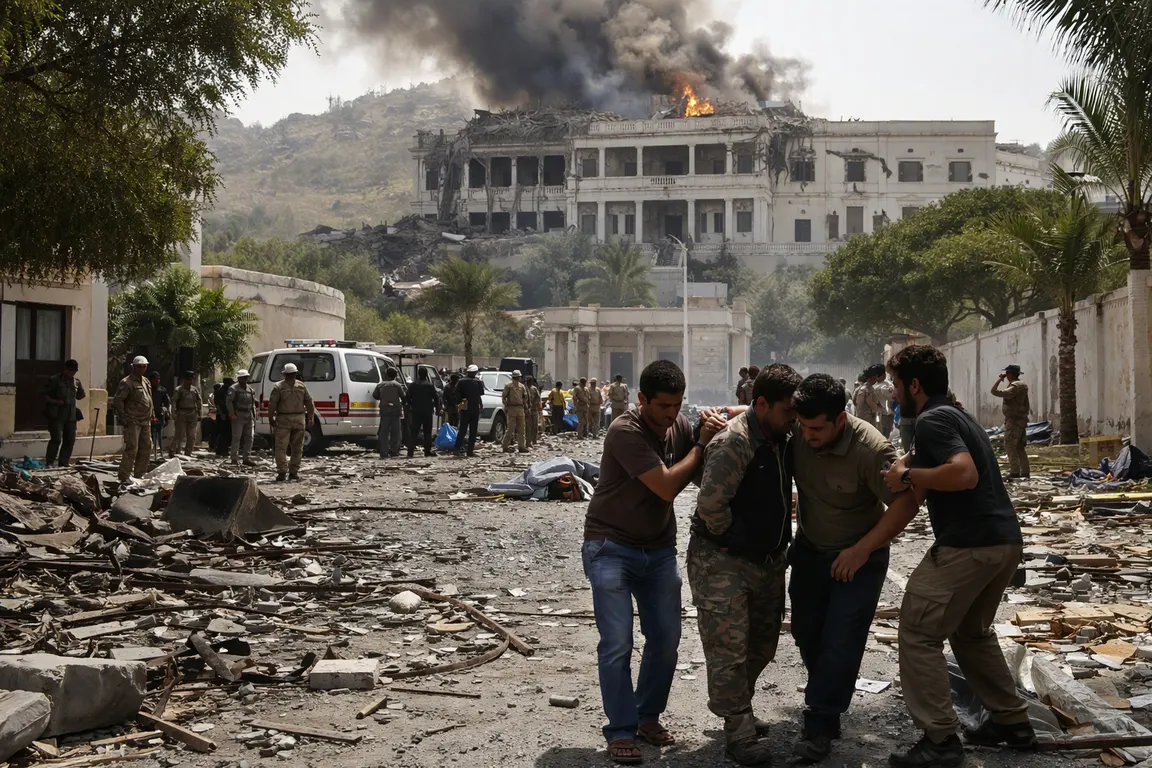
A Houthi missile strike in Aden hit the al‑Maashiq presidential palace on Oct. 15, killing at least four security personnel and wounding dozens, including two members of Prime Minister Shaya Al‑Zandani’s security detail. The prime minister emerged unscathed.
The attack marks the first direct strike on the heart of Yemen’s internationally recognised government and signals a shift in Houthi tactics from peripheral targets to high‑value political sites.
Yemen’s health minister reported five deaths and 16 injuries; other outlets cited slightly different figures, reflecting the chaotic aftermath and limited access to casualty data. Two of the dead were members of the prime minister’s security detail, and several others were treated for shrapnel injuries at nearby hospitals.
Prime Minister Al‑Zandani, who was inside the compound for a cabinet meeting, condemned the attack as a violation of international law and pledged to keep government functions operating. The Houthi movement claimed responsibility, saying the strike was carried out by Iran‑backed forces, a claim not yet verified by independent observers.
The missile barrage, described by Yemeni officials as ballistic, was launched in the early afternoon and detonated near the palace’s main entrance. The strike follows a series of Houthi offensives earlier in October, including missile attacks on Marib and Aden airport and an intensified siege of Taiz that has deepened fuel shortages and sanitation crises.
In response, the Saudi‑led coalition said it had carried out 1,250 strikes on Houthi positions in the preceding 24 hours as part of its “Dawn of Yemen” campaign. The coalition also reported attacks on Riyadh’s international airport that killed 17 people, underscoring the widening geographic scope of the conflict.
Analysts say targeting the presidential palace demonstrates both an escalation in Houthi capability and a strategic effort to undermine the legitimacy of the Saudi‑backed government. By striking a symbol of state authority, the Houthis aim to erode confidence in the government’s ability to protect its institutions and to pressure the coalition toward a negotiated settlement.
For residents of Aden, the immediate risk is heightened. Secondary explosions and the possibility of follow‑up attacks create uncertainty for civilians and aid workers. Humanitarian agencies, already coping with limited access due to the Taiz siege, may face further disruptions as security checkpoints tighten and supply routes become vulnerable.
The attack also reverberates in regional markets. Shipping companies monitoring Red Sea traffic have warned of possible delays, and investors are watching for any spill‑over that could affect oil prices. While the coalition has not announced a change in its operational posture, the scale of the palace strike suggests it may increase aerial and naval patrols to deter further high‑profile attacks.
International observers are calling for an independent investigation into the missile origins and casualty figures. Diplomatic channels are working to prevent further escalation, and the coalition’s next steps—whether to intensify the “Dawn of Yemen” campaign or pursue de‑escalation—will shape the conflict’s trajectory in the weeks ahead.