

Houthi missile intercepted over Riyadh raises security
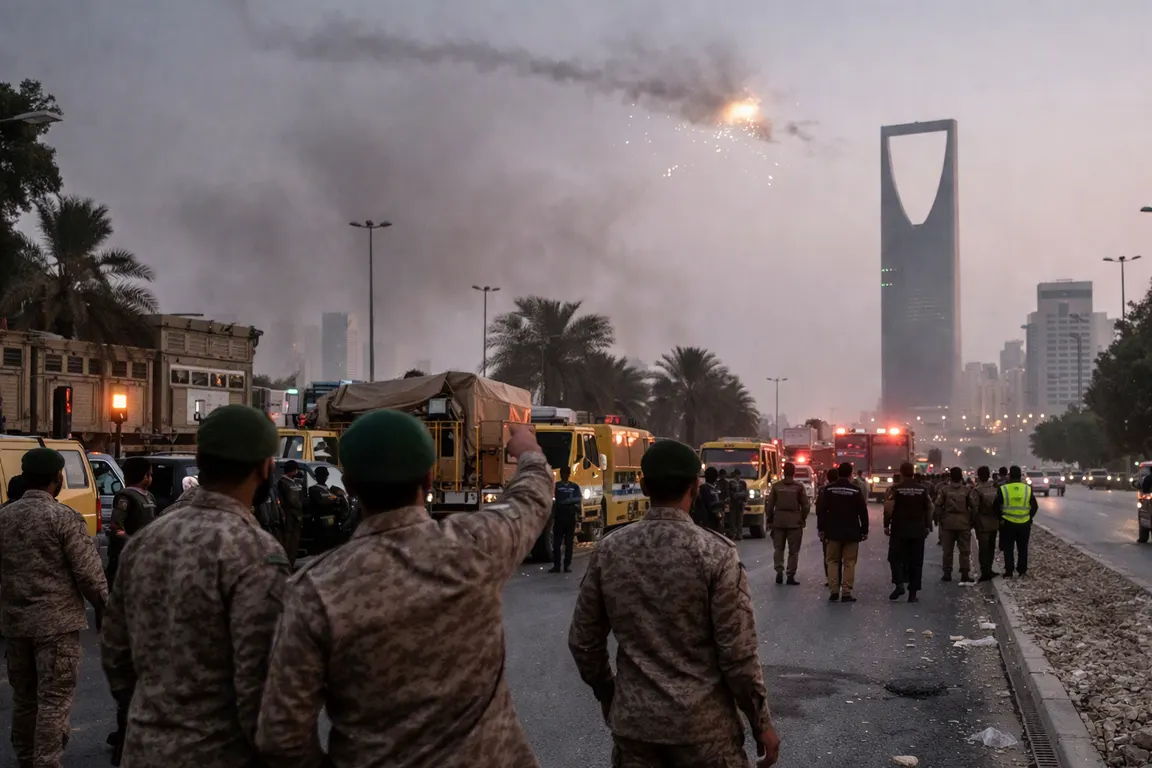
Saudi air‑defence units intercepted a Houthi missile over Riyadh on Saturday morning, marking the first direct strike aimed at the capital since the Yemen conflict intensified earlier this year. Radar picked up a ballistic trajectory at about 03:00 local time, and Patriot and other systems engaged the projectile before it could reach populated areas.
Residents near King Khalid International Airport heard loud explosions and saw plumes of smoke, but no damage or casualties were confirmed. The Saudi coalition also reported intercepting additional missiles targeting Aramco facilities in Yanbu and the cities of Taif, Baysh and Farasan.
Houthi spokesman Brig. Gen. Yahya Saree claimed the group launched “a large number of ballistic and cruise missiles and drones” at “sensitive sites” in Riyadh and at Aramco installations, alleging “massive fires.” Those claims could not be independently verified, and Saudi officials described the interceptions as clean with no impact.
In Washington, the U.S. State Department warned of a “rapid escalation” and advised American citizens to reconsider travel to the region. The advisory coincided with the recent approval of a $24.3 billion sale of 48 F‑35 jets to Saudi Arabia, underscoring the United States’ security partnership with Riyadh.
Saudi officials said their interceptor stocks are running low and have asked allies—including France, Britain, Pakistan and Egypt—for additional air‑defence support. The missile launch follows a recent Houthi expansion along the Red Sea coast, where the rebels seized the port of Mokha and several islands near the Bab al‑Mandeb strait, giving them greater surveillance of a chokepoint that carries roughly 20 percent of global oil shipments.
Any perception that Saudi oil‑export routes are vulnerable could tighten supplies and lift Brent and WTI crude prices, a risk analysts are already monitoring. For civilians in Riyadh, the early‑morning alarms and visible smoke sparked anxiety, but no injuries have been reported.
Expatriates and travelers now face heightened advisories, while the broader Saudi population watches for any further incursions that could disrupt daily life or the flow of pilgrims to Mecca.
The episode leaves several unanswered questions. Saudi authorities have not disclosed how many interceptors remain or detailed any immediate plans to bolster air‑defence coverage around the capital. Regional allies have not publicly committed to supplying additional systems, and the United States has not indicated a direct military response against the Houthis.
As the kingdom assesses its defensive posture, diplomatic outreach for more interceptors and a review of missile‑defence readiness are likely next steps. Whether the Houthi rebels will attempt further strikes on mainland Saudi targets remains uncertain, but the incident signals a new escalation frontier that could reshape the conflict’s geographic boundaries and its impact on global energy stability.