

Houthi missile attack hits Riyadh and Aramco building
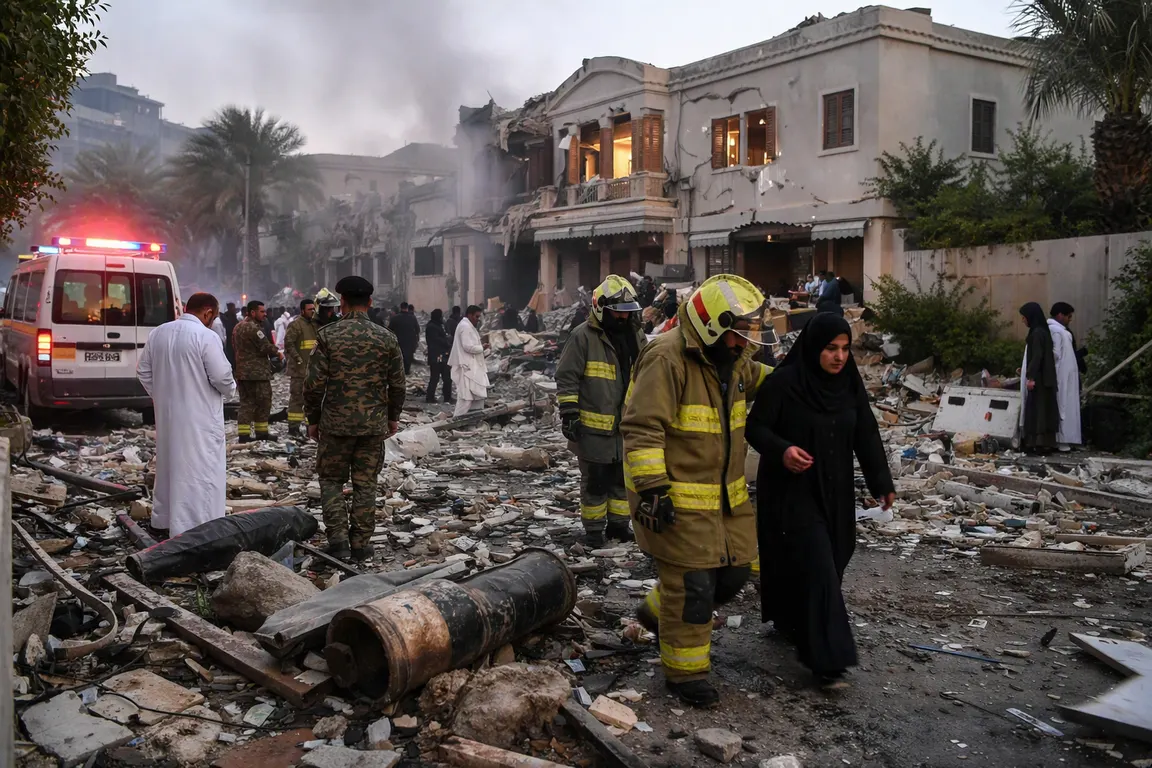
Saudi air‑defence systems shot down several cruise missiles launched from Yemen on Tuesday evening, 13 October 2024, as debris fell on residential neighbourhoods in Riyadh. Four civilians – two women, a man and a child – were injured and fifteen homes suffered damage, officials said. At the same time, an administrative building belonging to Saudi Aramco in Dhahran was hit, sparking a small fire that was extinguished within an hour without loss of life.
The incidents mark the first time Saudi missile defences have been forced to engage inbound weapons over the kingdom’s interior since the Yemen war intensified last year. The Ministry of Interior said the Patriot and Arrow systems intercepted the missiles, though it did not disclose how many projectiles were engaged. Debris from two of the intercepted missiles caused the injuries in Riyadh’s Al‑Malaz district. The Aramco building houses offices that support downstream operations; the fire did not affect production facilities.
The attacks follow a Houthi strike on King Khalid International Airport on Saturday that killed 13 people, the deadliest assault on Saudi soil since 2015. In response, the Saudi‑led coalition launched strikes on what it described as “vital Houthi assets” in western Yemen. Analysts warn that the reciprocal cycle of cross‑border missile launches could threaten the kingdom’s oil‑export infrastructure and public safety.
Travel warnings have been issued by France and several other governments for Riyadh, Jeddah and Dammam airports, heightening concerns among expatriate workers and investors about the security of Saudi energy assets. Crown Prince Mohammed bin Salman reiterated that the kingdom will not tolerate threats to its security or Red Sea navigation and pledged to strengthen air‑defence coverage around critical sites.
Economic analysts note that the International Monetary Fund projects Saudi Arabia’s GDP to contract by 3.3 % in 2024, a slowdown partly linked to regional instability. While the intercepted missiles did not disrupt oil output directly, the targeting of an Aramco administrative hub highlights the vulnerability of ancillary facilities that support the export chain. A sustained campaign against such sites could force temporary logistical adjustments and tighten global oil supplies.
The immediate impact is clear: four injured residents and property damage in the capital. Longer‑term implications depend on how Saudi defence posture adapts and whether Houthi strikes expand beyond peripheral targets. Expected next steps include heightened air‑space surveillance, possible relocation of sensitive operations farther from the coast, and continued coalition pressure on Houthi positions.
As the conflict reaches deeper into Saudi territory, the key question remains how quickly the kingdom can reinforce its defensive network to protect both its population and the energy infrastructure that underpins the global oil market.