

Houthi Missile Attack Hits Riyadh Airport, 12 Dead
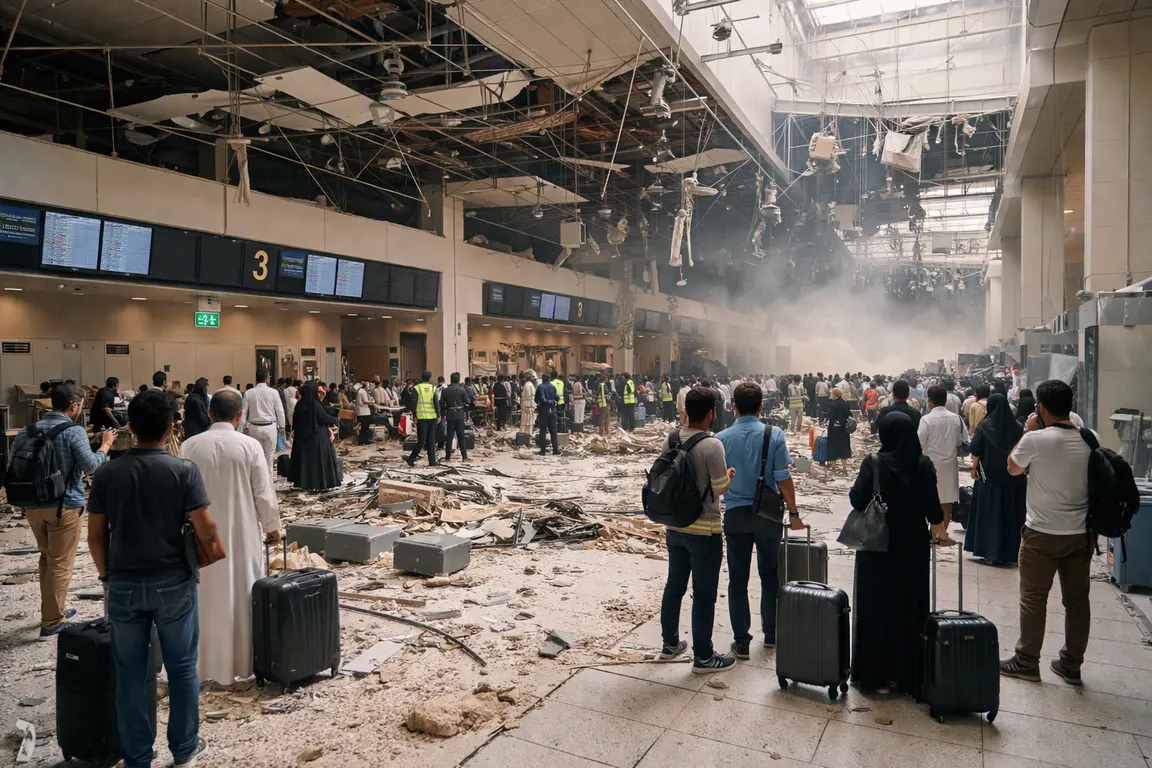
A Houthi missile attack on Riyadh’s King Khalid International Airport struck terminals 3 and 4 on Saturday, killing 12 people and injuring more than 300. Saudi officials identified the victims as four Saudi nationals, two Bangladeshis, a Palestinian, a U.S. citizen, an Egyptian, a Jordanian, a Syrian and a Sudanese. The blast ripped through passenger concourses shortly after noon, prompting an immediate shutdown of the airport and the diversion of all inbound and outbound flights to other Gulf hubs.
The Saudi‑led coalition quickly blamed Iran‑backed Houthi rebels, a view echoed by regional analysts, although the Houthis have not issued a public claim. In the hours after the attack, airlines that serve Riyadh—including Air India, FlyDubai, Lufthansa Group and Pakistan International—suspended flights. The European Union Aviation Safety Agency expanded its advisory warning about Saudi airspace, and Saudi authorities appealed to France, Britain, Pakistan and Egypt for additional air‑defence support, citing a shortfall in missile‑interceptor stockpiles.
President Donald Trump responded from the White House, saying the United States is “evaluating whether we should join Saudi strikes” against the Houthis. The comment followed a U.S. Central Command operation that targeted a cargo vessel in the Gulf of Oman earlier in the day, an action the Pentagon described as a response to Houthi attacks on commercial shipping. Trump’s remarks suggest a possible shift from advisory support to direct kinetic involvement, a move that could broaden the regional conflict and affect global oil markets.
The Riyadh strike follows two earlier attacks on the same airport earlier in the week, one of which killed three Saudi citizens. Those incidents forced temporary shutdowns and highlighted the vulnerability of civilian infrastructure in a war that has largely been confined to Yemen. The latest attack forced a complete suspension of airport operations, and Saudi officials have begun a damage‑assessment effort while deploying emergency medical teams. Full restoration of services is expected to take weeks.
The incident raises several policy questions. Attribution to the Houthis rests on coalition intelligence; without a claim of responsibility, certainty remains inferential. The United States now faces a decision point: whether to expand its role from logistical and intelligence assistance to active participation in Saudi air campaigns. Such a step would require congressional consultation and could trigger a wider escalation with Iran‑aligned actors.
Airlines are scrambling to reroute passengers, issue refunds and adjust schedules, leaving travelers booked through Riyadh facing uncertainty and possible visa complications. The broader aviation industry is watching closely, as repeated attacks on a major hub could force airlines to reassess route‑risk models across the Middle East.
Saudi officials warned that further attacks are possible and pledged to accelerate procurement of additional air‑defence systems. The next 48 hours will likely determine whether the airport can resume limited operations and whether the United States will announce a concrete policy shift. Until then, the region remains on heightened alert, and the safety of civilian air travel over the Arabian Peninsula hangs in the balance.