

Hormuz security talks delayed after Houthi missile strike
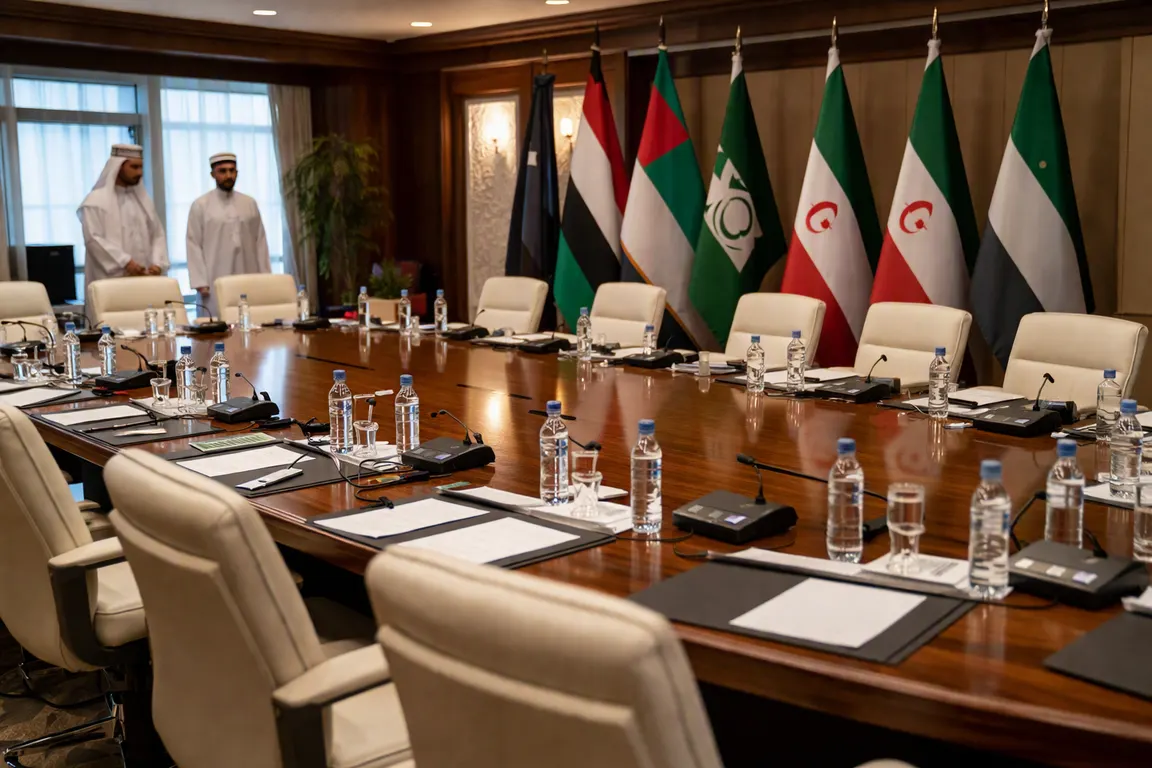
Saudi Arabia asked that a high‑level meeting on Hormuz security talks be postponed, leaving the conference table in Muscat empty and raising fresh concerns for the world’s busiest oil‑shipping lane. The request came after Yemen’s Iran‑backed Houthi rebels launched missiles and drones at the King Khalid airbase in Khamis Mushait and struck the east‑west oil pipeline, briefly halting crude flow and nudging Brent above $90 a barrel.
The Muscat summit was to bring together foreign ministers from Saudi Arabia, the United Arab Emirates, Oman and Iran to craft a regional framework for protecting the narrow waterway that carries roughly 20 % of global oil shipments. With the talks delayed, shipping firms must reassess routes and insurance costs, and oil markets face added uncertainty.
Saudi officials cited “growing anger” over Tehran’s perceived support for the Houthi offensive when they asked for a postponement, Al Jazeera reported. Iran’s foreign ministry spokesperson Esmaeil Baghaei said Iran does not intervene in Yemeni affairs but will continue to pursue a “regionally backed” solution and remains open to diplomatic engagement. Gulf states have yet to reach a consensus on how to proceed, and The Guardian notes the lack of an Arab consensus contributed to the impasse.
Houthi attacks damaged hangars, radar installations, runways and ammunition depots at the Saudi airbase, while strikes on the east‑west pipeline forced a temporary shutdown. The disruption pushed Brent crude above $90 a barrel, underscoring how quickly regional security incidents can reverberate through global energy markets. Shipping companies that rely on the Hormuz corridor now face the prospect of rerouting vessels around the longer Cape of Good Hope passage, a move that would increase transit times and fuel costs. Insurers have already signaled higher premiums for vessels transiting the Gulf, reflecting heightened perceived risk.
For oil‑importing nations, the postponement signals a possible tightening of supply that could translate into higher pump prices for consumers. Gulf economies, which depend heavily on export revenues, could feel fiscal pressure if sustained disruptions curtail oil flow through Hormuz. Meanwhile, civilians in Saudi Arabia and Yemen are exposed to escalating air‑strike threats, with communities near targeted sites facing displacement and infrastructure damage.
The next diplomatic steps remain unclear. Saudi officials may seek bilateral security assurances with the United Arab Emirates and Oman while keeping pressure on Iran to address Riyadh’s concerns about Houthi backing. Iran is likely to continue lobbying for a multilateral “regional” package that could involve Iraq’s militias and other Gulf actors. Analysts say any future meeting will need a clear consensus on how to neutralize Houthi capabilities that threaten the waterway, possibly through coordinated naval patrols or a UN‑backed monitoring mechanism.
The Houthi threat is reinforced by their demonstrated ability to strike deep into Saudi territory and disrupt critical oil infrastructure. Shipping firms have begun contingency planning, including pre‑positioning vessels outside the strait and securing alternative insurance clauses. Yet the absence of a concrete diplomatic timetable leaves the industry and markets in limbo.
Until a consensus is reached, the Hormuz corridor remains a flashpoint where regional rivalries intersect with global energy stability. The postponed Muscat talks highlight the fragility of diplomatic pathways in a region where a single missile launch can ripple through world economies, underscoring the urgent need for a coordinated security framework that can withstand the volatility of the Yemen conflict.