

Hormuz Oil Flow Threatened by U.S.-Iran Standoff
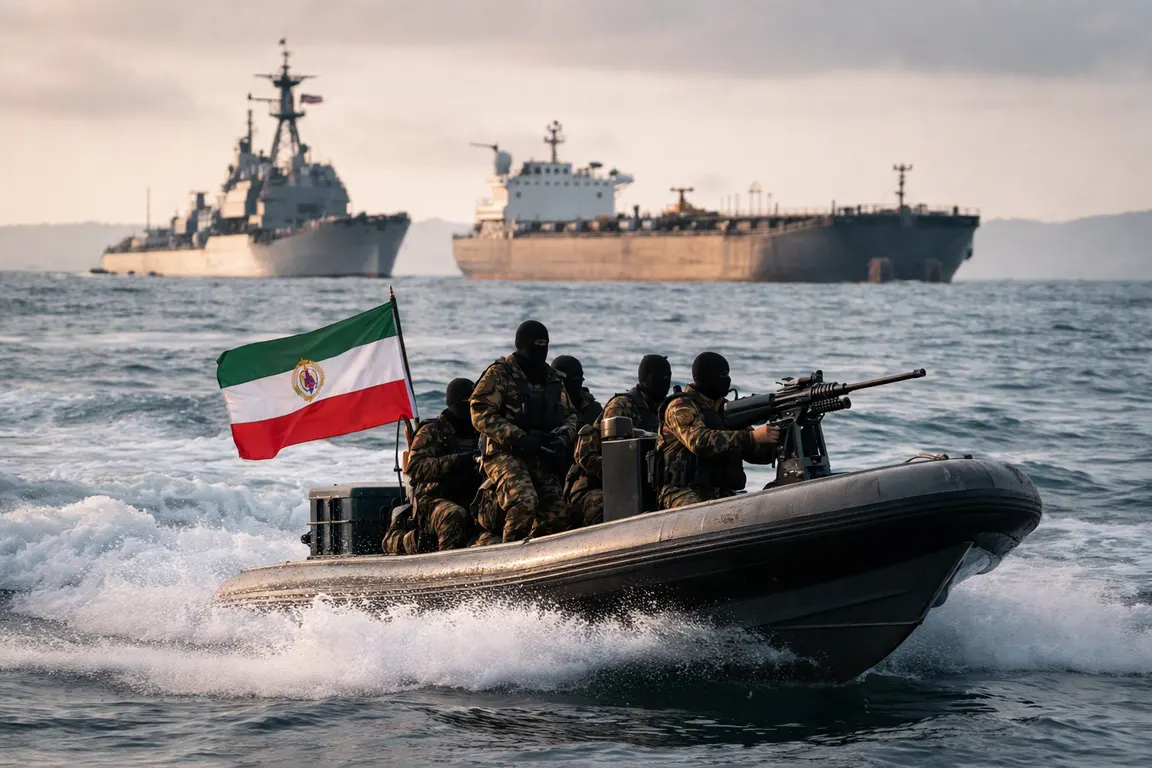
Washington and Tehran remain at an impasse after President Donald Trump rejected Iran’s seven‑day cease‑fire proposal aimed at reopening the Strait of Hormuz. Iran’s foreign minister, Abbas Araghchi, told NBC’s Meet the Press that Tehran is "fully prepared" for hostilities to resume, even if it leads to a "doomsday" scenario, while insisting diplomatic channels remain open. The Hormuz oil flow carries roughly one‑fifth of the world’s petroleum, making any interruption a global concern.
Araghchi described the cease‑fire offer as "a very reasonable plan on the table," but said no formal agreement has been reached and that negotiations remain the only path forward. Trump publicly dismissed the proposal and indicated he expected hostilities to resume after the November 2020 midterm elections, according to reports from The Independent. The United States has not presented a concrete alternative, leaving the strategic bottleneck unresolved.
The tension follows an earlier escalation in early 2020 when U.S. and Iranian forces exchanged missile strikes, raising the specter of broader conflict. Since then both sides have used diplomatic overtures and public statements to signal willingness to negotiate while preparing for possible combat. Tehran’s assertion that it is "prepared for war" aligns with NBC coverage, while the New York Post noted that Iran still seeks peace.
For global markets, the risk is immediate. Analysts warn that even a brief closure of the strait could push Brent crude above $80 a barrel, raising fuel costs for consumers and freight rates for cargo vessels. Shipping companies operating in the Gulf of Oman may be forced to reroute around the Cape of Good Hope, adding weeks to transit times and millions of dollars in extra fuel expenses.
The human dimension extends beyond price tags. Crew members aboard tankers could face missile fire or naval engagement in a contested waterway. Coastal towns that rely on port fees and related commerce could see revenue losses if vessels avoid the area. Regional economies that depend on transit fees—particularly the United Arab Emirates and Oman—are vulnerable to any prolonged shutdown.
Diplomatic avenues that remain on the table include indirect talks mediated by European allies, as suggested by The Independent, and confidence‑building measures such as the release of detained personnel or a joint monitoring mechanism. Neither side has signaled a willingness to alter its core demands, and no third‑party broker has been formally appointed to chair negotiations.
The next critical step will be whether either government signals a policy shift before the end of the current U.S. administration’s term. Until then, the Hormuz deadlock remains a flashpoint where diplomatic inertia could quickly translate into a disruption of the world’s most vital oil conduit, with ripple effects felt at every gas station and cargo terminal.