

Hebron house demolitions and West Bank lockdown announced
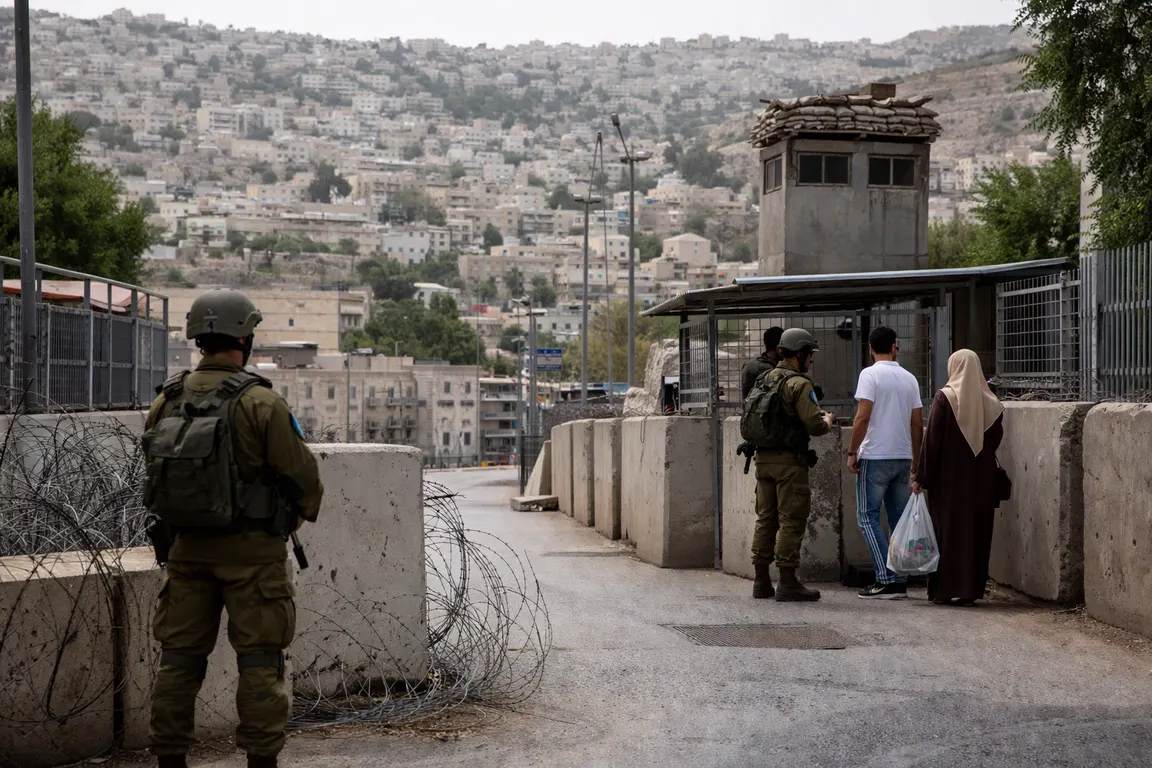
Prime Minister Benjamin Netanyahu announced a large‑scale operation of Hebron house demolitions and warned of a full lockdown of the occupied West Bank after two Israeli soldiers were killed at a checkpoint near Hebron on Friday.
Armed Palestinians opened fire on the Israeli checkpoint outside Hebron, killing the two soldiers and lightly wounding three others, according to Independent World. The exchange also resulted in the deaths of two Palestinians, as reported by The Guardian. Israeli officials called the incident a "terror attack" and said it had been thwarted.
Netanyahu said the forthcoming operation would be "very extensive," with the army moving house‑to‑house to demolish homes linked to the attack. He also ordered the closure of Hebron and warned of a "full lockdown" of the West Bank, a stance echoed by NBC News.
Israeli officials described the demolition plan as unprecedented, but they have not released a list of targeted residences or a timeline. The Israel Defense Forces have not detailed how the lockdown would be implemented, leaving the geographic scope and duration unclear. NBC News emphasized a city‑wide closure of Hebron, while The Guardian focused on the house‑to‑house demolition component, suggesting the two announcements may be part of a coordinated but not fully disclosed strategy.
For residents of Hebron and nearby towns, the prospect of a blanket lockdown and mass demolitions raises immediate concerns about displacement, loss of livelihood and restricted access to markets, schools and medical services. Humanitarian groups warn that such actions could exacerbate civilian hardship and trigger a surge in demand for emergency assistance.
International law permits demolition of structures used for hostile activities, but collective demolition of homes without individualized due process is widely regarded as a violation of the Fourth Geneva Convention. Legal experts note that the lack of clear targeting criteria could invite scrutiny from the International Criminal Court and other monitoring bodies.
Domestically, the security escalation is likely to influence Israel's national election campaign, scheduled for early November 2024. Netanyahu's hard‑line stance may appeal to voters who prioritize security, while critics argue that punitive measures could alienate moderate constituents and draw condemnation from the international community.
The IDF has not published operational details, and no implementation date has been set. As the Israeli government finalizes its plans, Palestinian authorities and civil‑society groups are preparing to document any violations and to coordinate assistance for affected families. The next steps will hinge on whether the demolition order is executed, how the lockdown is enforced, and how international actors respond to the potential humanitarian impact.