

Hashim Thaci Sentenced to 25 Years by Hague Tribunal
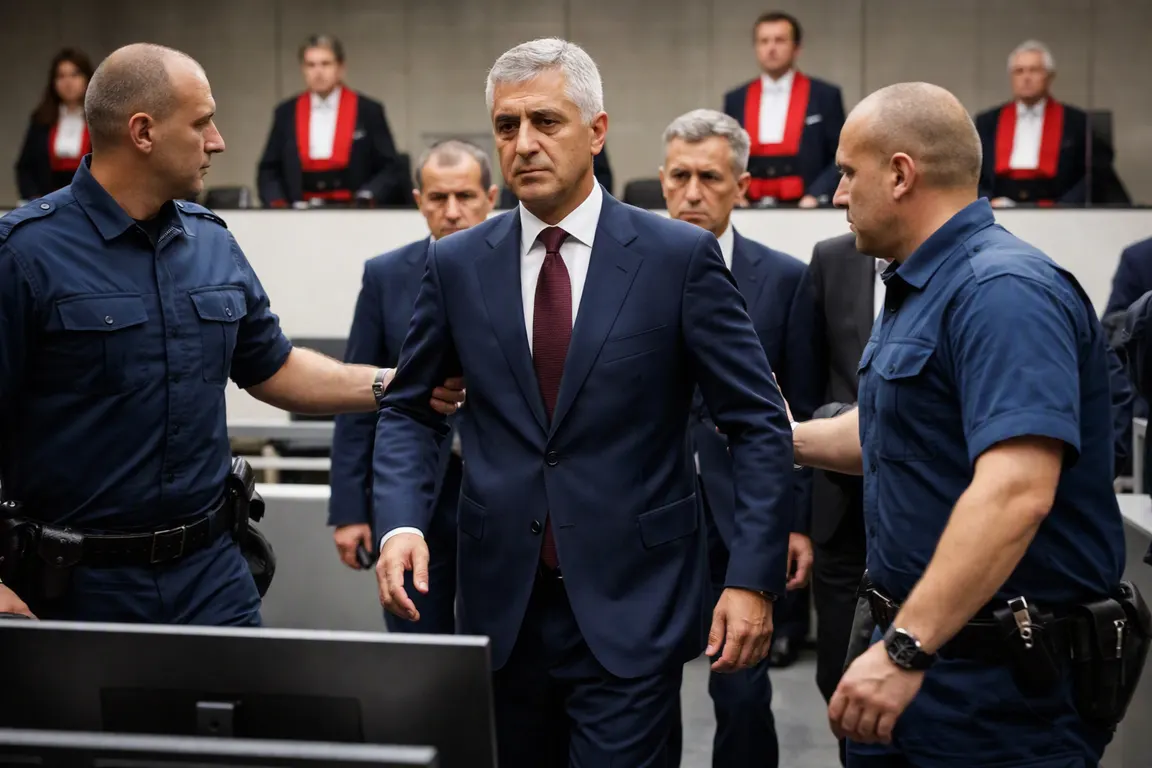
A Hague tribunal on Wednesday sentenced former Kosovo president Hashim Thaci and three former Kosovo Liberation Army leaders to prison terms for war‑crimes committed during and after the 1998‑99 conflict. Thaci received 25 years; Jakup Krasniqi, Rexhep Selimi and Kadri Veseli were given 25, 13 and 18 years respectively.
The Kosovo Specialist Chambers, a court created under Kosovo law but operating in The Hague, found the four men guilty of illegal arrests, torture and murder. All were acquitted of crimes against humanity. The judges said the defendants made a “significant contribution” to a common criminal purpose aimed at perceived KLA opponents.
Thaci surrendered to the court in 2020 after his indictment and has been detained in The Hague. Time already served will be deducted from his sentence.
Domestically, the verdict sparked a sharp political split. Kosovo’s foreign minister, Glauk Konjufca, called the decision “sad, unjust, undeserved,” echoing criticism from supporters of the ruling Democratic Party of Kosovo. Opposition parties and several victims’ families welcomed the judgments as overdue accountability. Streets in Pristina saw protests both condemning the court’s legitimacy and demanding justice, underscoring a polarized public response.
The sentencing also reverberates in Kosovo’s EU integration effort. Brussels has tied progress toward membership to the ability to confront past abuses and strengthen institutions. International donors are likely to review aid programmes while the EU watches whether Kosovo can maintain reforms amid the political fallout. Analysts say the verdict could bolster Kosovo’s credibility by showing a functioning judicial mechanism, or erode confidence if the government fails to manage ensuing instability.
Regional implications are significant. Serbia, which still claims Kosovo as its province, has long portrayed the KSC as a tool of Belgrade‑supplied evidence. While Serbian officials have not issued a formal statement on the specific sentences, the broader Brussels‑mediated dialogue may be affected. Some observers suggest the verdict could pressure both sides to address lingering wartime grievances; others warn it might harden positions and stall negotiations.
The KSC’s mandate remains contested. Created by Kosovo legislation to bypass domestic political interference, the court’s panel of international judges is intended to ensure impartiality. Critics in Kosovo argue that reliance on evidence supplied by Serbian authorities undermines sovereignty. The court’s legitimacy will be judged by its procedural fairness and by how its rulings resonate with the local population.
Thaci’s party now faces a leadership succession challenge, and Kosovo’s political elite must navigate a potential power vacuum. Appeals are expected, which could extend the legal process for months, and the upcoming parliamentary session will see coalition partners negotiate a response to the convictions.
The case marks a decisive moment in the Balkans’ post‑conflict accountability landscape, testing Kosovo’s rule‑of‑law reforms, political stability and EU aspirations.