

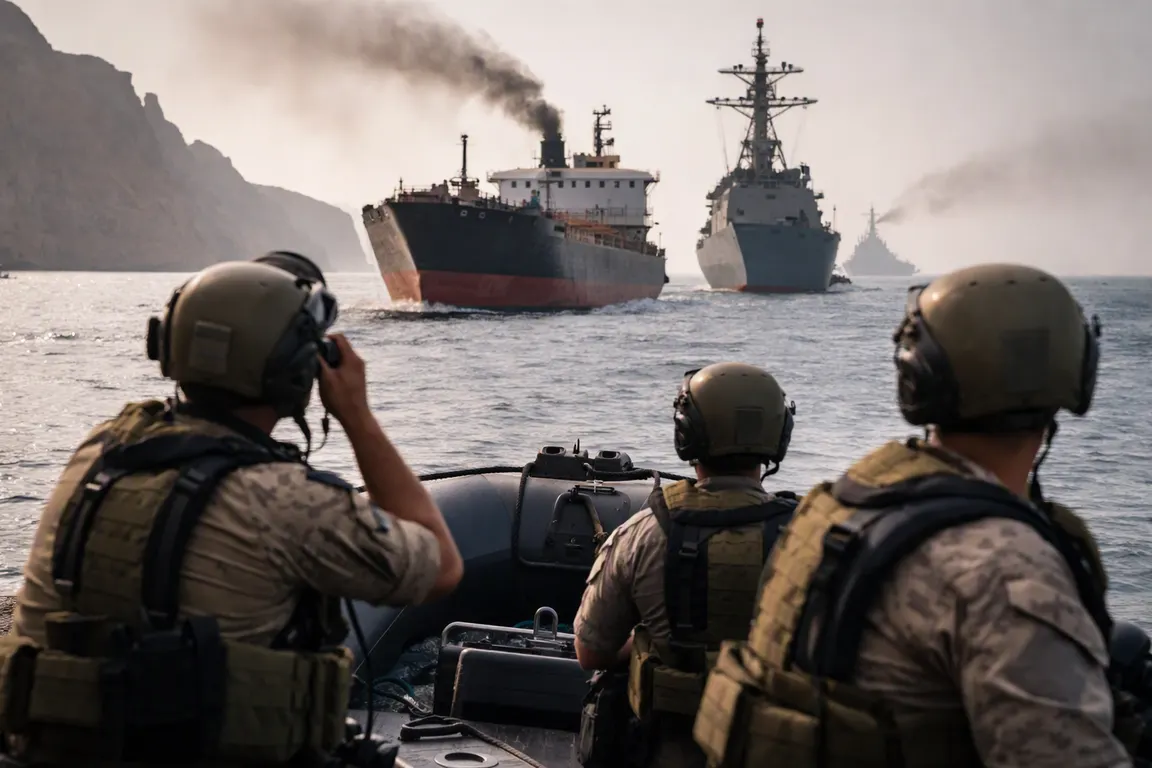
The conflict in the Gulf region is escalating, posing significant risks to global energy supplies and shipping. The Strait of Hormuz, a critical shipping chokepoint, is facing significant risks, which could have potential impacts on the economy and community safety.
The US, Iran, and Oman are reportedly close to a temporary deal to reopen the Strait of Hormuz, but the progress of talks and the likelihood of a deal are uncertain. The conflict is broadening across the region, with Iran and the US exchanging accusations. Iran's chief negotiator has accused the US of not being genuine in its negotiations, while the US President has stated that a resolution is needed soon.
The potential impacts of the conflict on community safety and the economy are significant. A temporary deal to reopen the Strait of Hormuz could alleviate some of the pressure on global energy supplies, but the terms of the deal and the likelihood of its success are uncertain. The role of international actors in the conflict is also unclear, with some sources suggesting that they could play a key role in resolving the conflict.
As tensions continue to escalate, the next step will be crucial in determining the outcome of the conflict and the fate of global energy supplies and shipping. The US, Iran, and Oman are expected to continue talks in the coming days, with the goal of reaching a temporary deal to reopen the Strait of Hormuz. The situation remains fluid, and the outcome is uncertain, but the stakes are high for global energy supplies and the regional economy.