

Glacial Lake Outburst in Himalayas Kills 1,000, Halts Trade
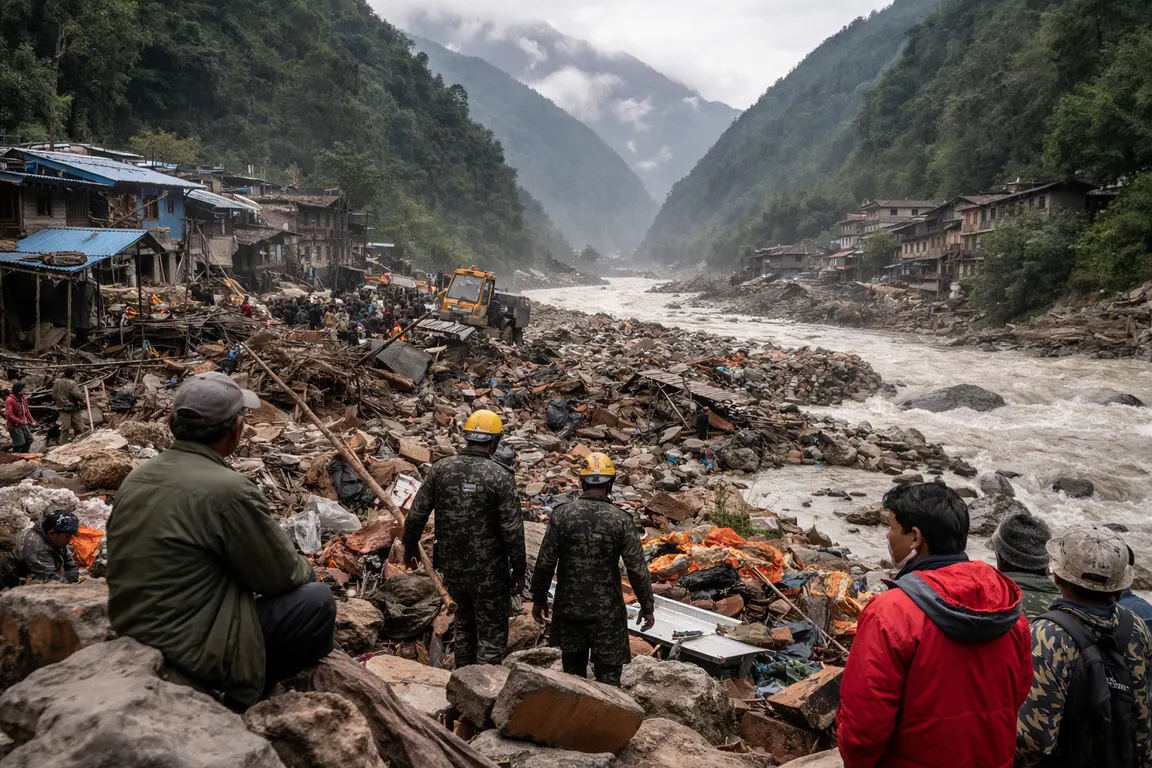
A glacial lake outburst in the Himalayas on the Tibet‑China side sent a wall of water, ice and rock down the Bhote Kashi River, wiping out villages in Nepal and trapping workers at hydropower sites. The death toll now exceeds 1,000 across Nepal, Tibet and adjacent Chinese regions, and more than 100 Indian nationals are reported missing at the Lipulekh border crossing, a key conduit for trade between India, Nepal and China.
Early June satellite images showed a high‑altitude lake breaching its natural dam. The surge crossed the Nepal‑China border, flooding settlements such as Kharik and Dhumri. Local officials confirmed dozens of bodies recovered within days. Rescue teams from Nepal’s army, China’s People’s Liberation Army and Indian disaster‑response units have been combing the debris for survivors. Hundreds of construction workers, many on the under‑construction Upper Tamakoshi hydropower plant, remain trapped under collapsed structures.
At the Lipulekh crossing, which handles millions of dollars of goods each month, more than 100 Indian traders and laborers were caught in the flood’s wake. Families in Mumbai, Kolkata and other metros have taken to social media seeking information. Indian authorities have dispatched teams to coordinate with Nepali and Chinese officials, but the exact number of missing Indians varies between reports, reflecting the chaotic on‑ground situation.
The blockage of the Lipulekh corridor is already disrupting regional supply chains. The route is a strategic artery for Nepal’s imports and exports to China and for India’s Himalayan trade. Preliminary estimates suggest the interruption could affect commerce worth several million dollars, adding an economic shock to the humanitarian crisis.
Scientists say the frequency of glacial‑lake outburst floods is rising as Himalayan glaciers retreat faster than previously recorded. Climate experts link the acceleration to rising temperatures, warning that remote mountain valleys are becoming flash‑flood hotspots. The event underscores the need for better early‑warning systems and risk assessments of glacial lakes.
Rescue operations continue on both sides of the border. Nepalese teams are focused on extracting survivors from submerged homes, while Chinese crews have cleared sections of the river to prevent further downstream flooding. Indian officials are working to repatriate any surviving nationals and to assess damage to the Lipulekh infrastructure. Joint coordination meetings have been scheduled in Kathmandu to streamline efforts and share real‑time intelligence.
Long‑term, governments and regional bodies are being urged to invest in early‑warning technology, reinforce hydropower and road infrastructure, and conduct regular risk assessments of glacial lakes. No concrete policy shifts have been announced yet, but the disaster has reignited calls for a coordinated Himalayan climate‑adaptation strategy.
As the death count climbs and families await news of missing loved ones, the flood highlights a stark reality: climate‑induced meltwater events are no longer isolated incidents but systemic threats to lives, economies and the fragile connectivity that binds the Himalayas together.