

Geran-5 Drone Train Strike Halts Kyiv-Warsaw Service
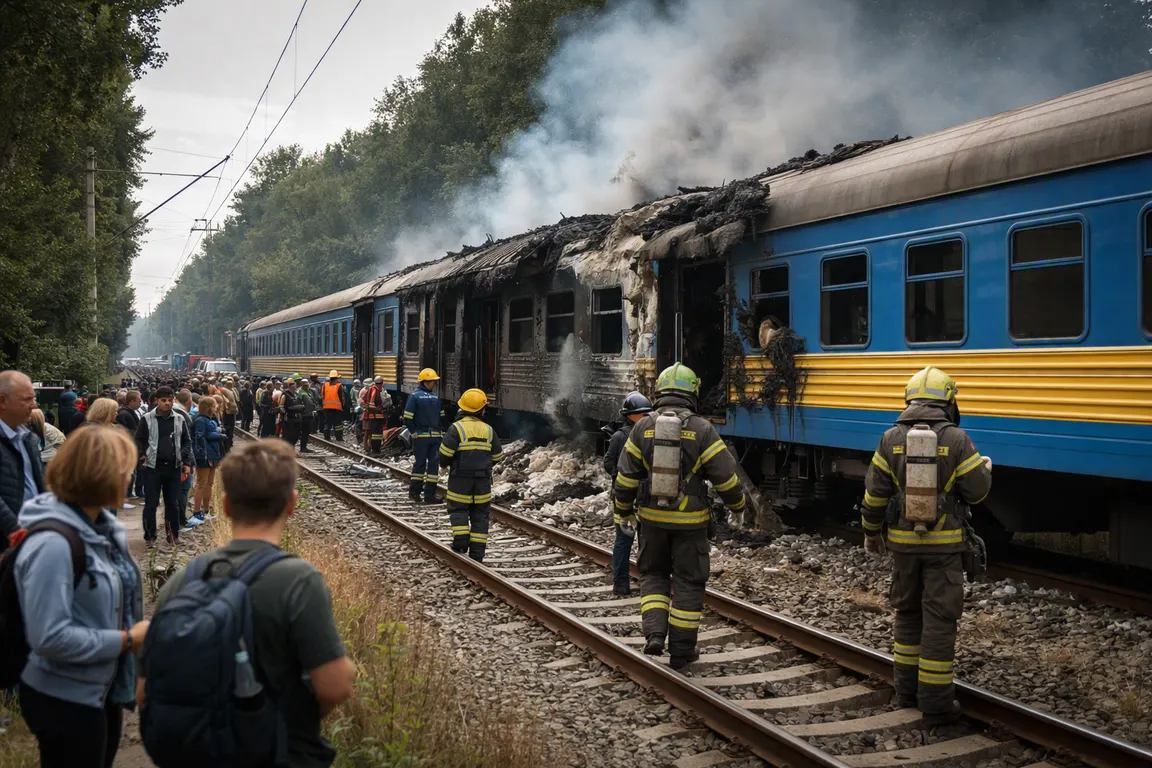
A Geran-5 drone train strike hit a civilian train on the Kyiv‑Warsaw line about two kilometres inside Ukraine on the morning of Sept. 13, 2026. The attack halted service for six hours and prompted urgent statements from Kyiv and Warsaw, raising concerns that the conflict could spill over into NATO territory.
Ukrainian Foreign Minister Andrii Sybiha called the attack “Putin’s terror knocking directly on the doors of the EU and NATO,” while Polish Foreign Minister Radosław Sikorski said no border was breached but described the incident as an “escalation.” Both officials said NATO and EU capitals must reassess defensive postures on the alliance’s eastern flank.
The train, operated by Ukrzaliznytsia, was carrying 208 passengers when the drone struck the locomotive near the village of Yahodyn. No injuries were reported; the crew stopped the train without further damage. Service on the Kyiv‑Warsaw corridor resumed after a six‑hour delay, underscoring the vulnerability of a key east‑west rail artery that moves commuters and freight across the region.
The attack occurred amid a massive wave of Russian strikes that night. Ukrainian air‑defence forces intercepted 405 drones and four missiles, part of a broader assault that saw more than 450 Russian drones and missiles launched across Ukraine, killing at least six people and wounding more than 40. NATO scrambled fighter jets, and Lithuania temporarily closed Vilnius airport after a separate drone sighting, reflecting heightened alert across the alliance.
Polish authorities identified the weapon as a Geran‑5, a Russian‑produced drone capable of high‑speed, low‑altitude flight. While the drone’s origin is clear, the exact number of drones involved in the train strike remains unverified, and details about damage to the locomotive are still being compiled.
For passengers, the incident meant a six‑hour wait, heightened anxiety and uncertainty about the safety of cross‑border travel. Ukrzaliznytsia and Polish rail operators announced reviews of infrastructure resilience, tighter coordination with air‑defence units and revised emergency‑response protocols. The temporary halt also delayed freight shipments along a corridor that links the Black Sea with Central Europe, affecting the regional economy.
The strike is likely to fuel debate within NATO and the EU over border‑defence allocations and sanctions policy. NATO’s Supreme Allied Commander Europe is expected to present a review of air‑defence coverage for member states bordering Ukraine at the next council meeting. Ukrainian and Polish officials are coordinating joint patrols and information‑sharing mechanisms to mitigate future spillover risks.
The episode leaves open the question of how quickly NATO can translate heightened alert levels into concrete defensive measures along its eastern edge, and whether additional sanctions or military assistance will be offered to bolster Ukraine’s air‑defence capabilities.