

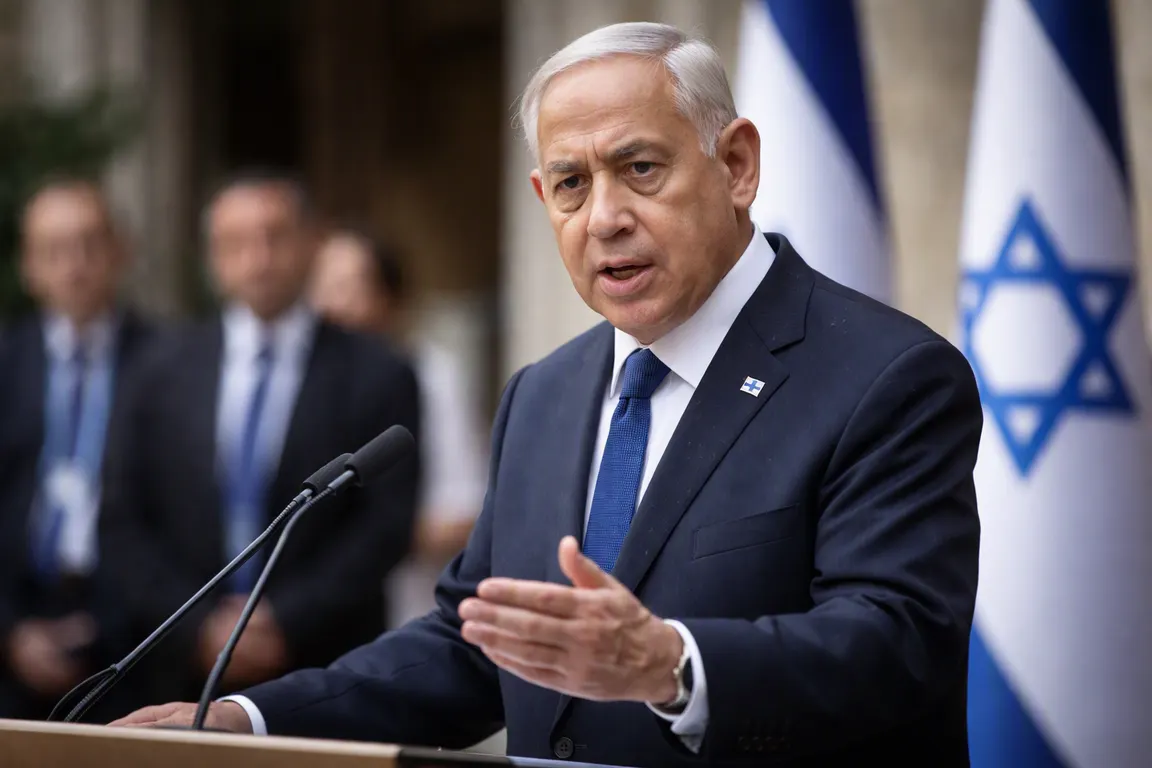
The US-led Gaza peace plan has been rejected by Israeli Prime Minister Netanyahu, sparking concerns of escalating conflict in the region. The 15-point proposal, put forth by the Trump administration, aimed to address economic development and security measures in Gaza. The rejection comes ahead of a general election in Israel and may impact the safety and well-being of civilians.
The plan's rejection may lead to increased violence and instability in the region, particularly in Gaza, where civilians are already vulnerable. Analysts believe the rejection may lead to an escalation of conflict, while the Trump administration views Netanyahu's rejection as campaign rhetoric. National security concerns were cited as the reason for the rejection.
The rejection of the peace plan may impact the regional economy and stability, with some analysts warning of endless war. The next steps for the parties involved in the peace process are unclear, but the rejection of the plan has raised concerns about the potential for an escalation of violence. The key points of the US-led Gaza peace plan are now in doubt.
As the situation in the region remains tense, the international community is watching to see how the parties involved will proceed. The rejection of the plan has significant implications for the safety and well-being of civilians in the region, and the potential consequences of an escalation of conflict are far-reaching. The regional economy and stability may also be impacted, with trade and investment potentially affected.
The parties involved in the peace process must now consider their next steps, and the international community will be watching to see how the situation develops. The US-led Gaza peace plan was intended to address the complex issues surrounding the region, but its rejection has created uncertainty about the future of the peace process. With the region's stability and economy at risk, a resolution to the conflict is crucial for the well-being of civilians and the regional economy.