

Gaza mass burial of 100 residents underscores civilian toll
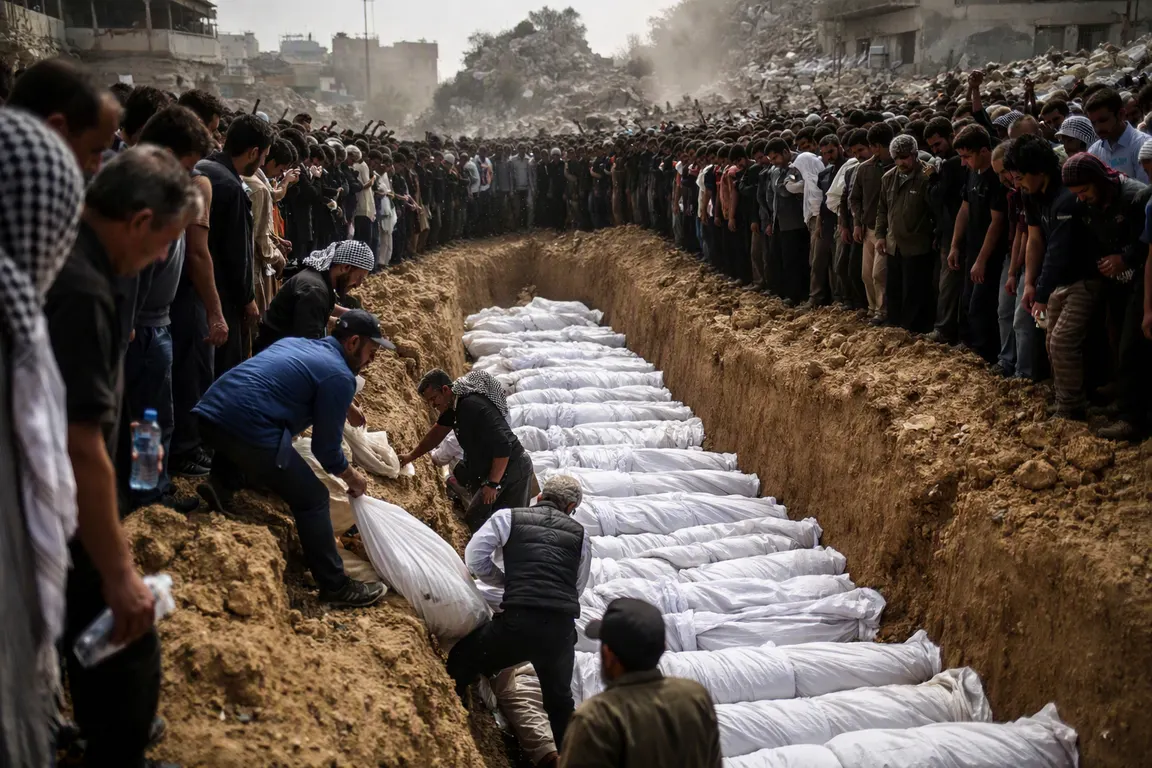
Around a thousand people gathered in Gaza City on Saturday for a Gaza mass burial of 100 residents whose bodies were recovered from the rubble of the Zeitoun neighbourhood after weeks of intensive Israeli airstrikes. The ceremony took place amid a blockade that limits the flow of humanitarian aid and medical supplies into the enclave.
The event underscores how many civilians are still being uncovered from destroyed neighbourhoods and adds pressure on aid agencies struggling to locate and care for the missing. Gaza health officials say thousands more are believed to be buried beneath collapsed structures, heightening the urgency of rescue and recovery efforts.
Intensive airstrikes over the past weeks leveled residential buildings in Zeitoun, a densely populated district of Gaza City. Rescue teams, working amid ongoing shelling, spent days sifting through debris and ultimately recovered approximately 100 bodies. The identification process has been hampered by the lack of official records and the sheer volume of rubble, leaving many families without closure.
Families and community leaders organized the funeral themselves, arranging transport of the bodies to a city cemetery. No official government figure was cited for the burial, and the specific cemetery was not named in reports. The gathering reflected collective grief that extended beyond individual loss; many attendees were not directly related to the deceased but came to support neighbours and bear witness to the scale of the tragedy.
Humanitarian workers on the ground are stretched thin. The blockade restricts entry of equipment needed for safe excavation, while medical teams contend with limited supplies for treating the injured and providing mental‑health support to bereaved families. International aid agencies have called for expanded access to allow more thorough searches for missing persons and to deliver essential services to the displaced population.
The mass burial also highlights the broader challenge of accounting for civilian casualties in the conflict. Gaza health authorities estimate that thousands remain trapped under the wreckage, but there is no independent verification of the total number of missing persons. Neither Israeli nor Palestinian authorities have announced comprehensive counts or investigations, leaving a gap in documentation of loss.
Experts warn that without a coordinated effort to clear rubble and restore infrastructure, additional victims could remain hidden and the risk of disease and further humanitarian deterioration will rise. The blockade complicates delivery of aid and reconstruction of destroyed neighbourhoods.
Aid groups are preparing to expand search operations in other heavily damaged districts. The next steps include requesting additional permits for humanitarian convoys, deploying more specialized rescue equipment, and establishing temporary morgues to handle any further discoveries. The unanswered question of how many more victims lie beneath the debris remains a pressing concern for families, aid workers and international observers alike.