

Gaza apartment collapse kills at least 20, dozens trapped
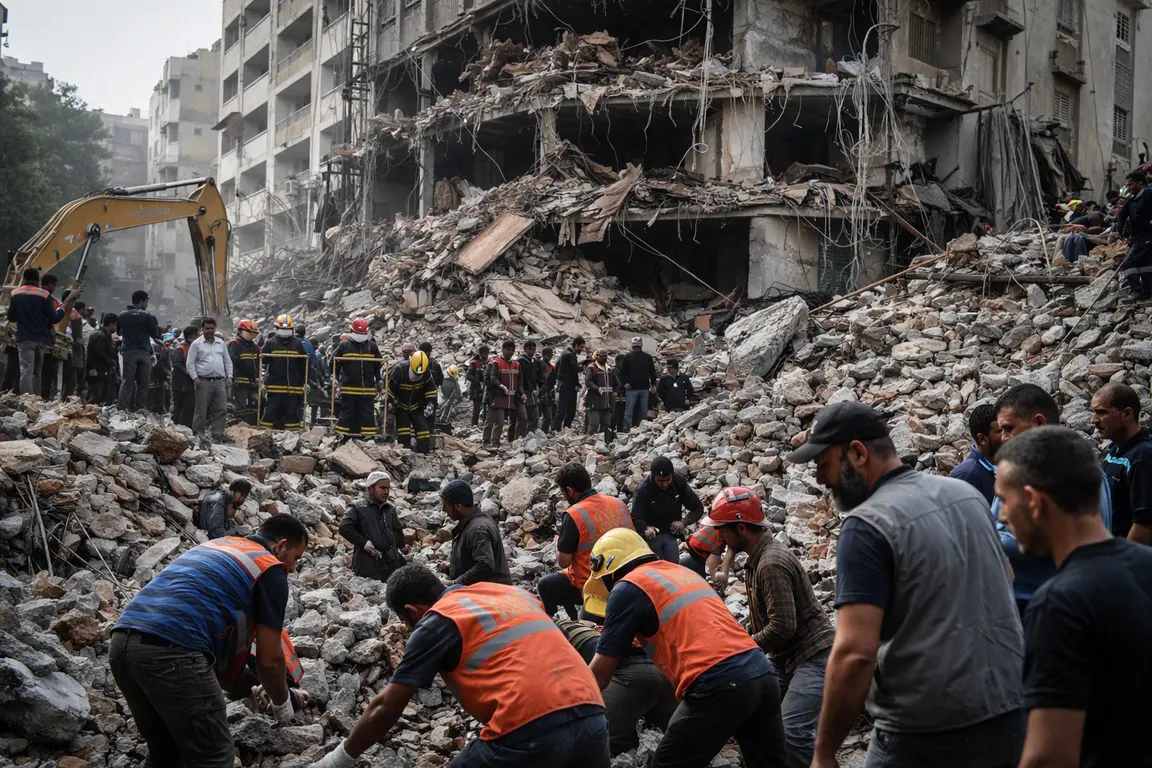
A Gaza apartment collapse early Wednesday, May 13, killed at least 20 people, including eight children, and trapped dozens more, UN News reported. The multi‑storey building, home to roughly 100 displaced families, had already been damaged by earlier Israeli strikes before the sudden failure turned a shelter into a death‑trap.
Rescue teams, already stretched thin across Gaza’s densely populated neighborhoods, are conducting manual searches with shovels, crowbars and sheer manpower because heavy lifting equipment is unavailable. The lack of machinery slows both the recovery of survivors and the identification of the dead, leaving families in limbo as the humanitarian crisis pushes more than two million people from their homes.
Reports on the death toll differ slightly: The Independent cited 21 fatalities, while The Guardian and Al Jazeera reported 20. Child deaths are reported between five and eight. All outlets agree the collapse followed an Israeli strike, though no independent verification of the weapon or exact timing has been provided. By the afternoon, rescuers heard voices from the rubble, but only five children’s bodies had been recovered. Twenty‑five injured people were taken to hospitals, adding pressure to a health system already overwhelmed by war‑related casualties.
The incident is part of a broader pattern of structural failure in Gaza. The Independent estimates tens of thousands of Palestinians now live in about 2,000 damaged buildings. Each strike that weakens a wall or floor raises the risk that a shelter will give way, a risk now manifesting in real time and fueling fear among displaced residents who have taken refuge in the same compromised apartments that once seemed safe.
UN officials confirmed that international aid agencies are calling for additional heavy equipment to expedite searches. Without cranes or excavators, teams cannot assess structural stability or safely clear debris, increasing the danger of further collapses in adjacent buildings.
Humanitarian agencies are adjusting their response. UN News said search and rescue teams continue to work around the clock, coordinating with local volunteers to locate any remaining victims. Aid groups are urging displaced families to avoid congregating in severely damaged structures, but shelter options remain scarce.
The collapse raises questions about civilian protection under international law. While all parties to the conflict are obligated to distinguish between military targets and civilian objects, the precise circumstances of the strike that preceded the building’s failure remain unverified. Ongoing hostilities and restricted access for independent investigators complicate accountability.
As the rubble is cleared, the number of people still trapped remains unclear, and the need for heavy equipment grows more urgent. International donors and UN agencies are being asked to prioritize the delivery of cranes and excavators to Gaza’s most affected districts. Until such capacity is secured, displaced families will continue to face the danger of sheltering in structures that may collapse without warning, underscoring the acute humanitarian emergency the city endures each day.