

France imposes local curfews and launches Gulf fuel talks
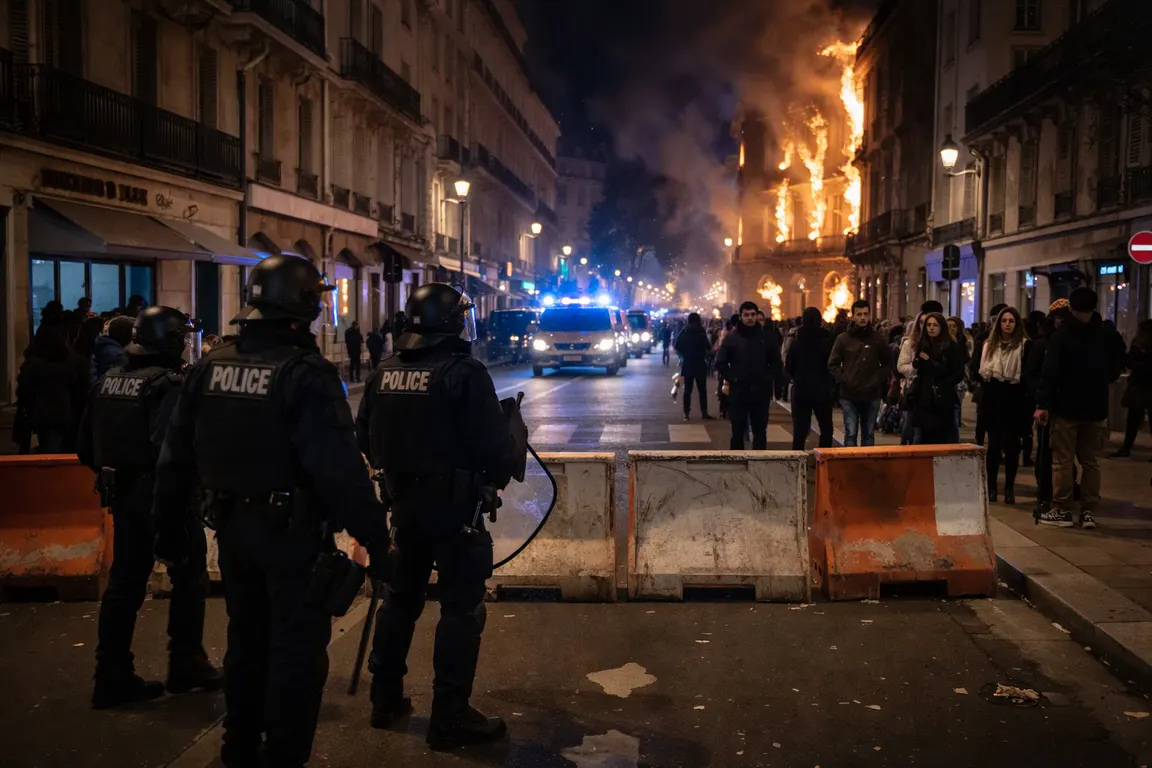
President Emmanuel Macron on Oct. 18 rejected Interior Minister Laurent Nuñez’s resignation and ordered localized 8 p.m. to 6 a.m. curfews after riots on Oct. 17‑18 left dozens injured and historic buildings ablaze. The unrest, sparked by cost‑of‑living protests, quickly escalated into the most severe street violence France has seen in years, prompting a mix of security measures and an overseas diplomatic push for fuel supplies.
The disorder began on the evening of Oct. 17 when demonstrators in several cities turned violent, looting shops and setting fire to municipal buildings. In Limoges, rioters torched the 19th‑century Hôtel de Ville, causing its 43‑metre bell tower to collapse. Marseille’s city hall was breached and partially burned. Interior Ministry figures released on Oct. 18 listed roughly 2,400 arrests and close to 1,000 police and gendarme injuries; a revised update the next day raised arrests to between 2,500 and 2,600 and injuries to about 1,200 officers. More than 2,000 retail outlets, many small‑business shops, were looted or destroyed, with damage estimates running into the hundreds of millions of euros.
In response, the government imposed eight‑p.m. curfews on Oct. 18‑19 in Lille, Douai, Wattignies and Denain, each requiring mayoral consent. Paris was spared a city‑wide curfew, but police presence was heightened across the capital. Macron’s refusal to accept Nuñez’s resignation, announced that morning, was framed as a need for continuity in law‑enforcement leadership during a critical public‑safety situation.
The following day Macron departed for a three‑day tour of the Gulf states—Kuwait, the United Arab Emirates, Bahrain and Qatar—to discuss diesel and oil supplies. French officials say the mission aims to shield the domestic market from soaring fuel prices that have fueled the protests. Securing additional diesel shipments could blunt a projected rise in transport costs, though the impact on broader European energy markets remains uncertain.
Financial markets reacted sharply. The ten‑year French bond yield rose 12 basis points to 4.90 % on Oct. 19, reflecting heightened political risk. Equity indices with exposure to French consumer goods and tourism slipped, while insurers flagged potential spikes in claims related to property damage and business interruption.
Uncertainties persist. Arrest numbers vary between ministry releases, and estimates of protester turnout range from 550,000 to 800,000. French authorities attribute the violence to ultra‑left and criminal elements; some commentators suggest organized networks with foreign funding, though concrete evidence is limited. The full extent of cultural loss in Limoges, including artworks that may have been destroyed, has not been confirmed.
For residents in the curfew zones, safety is the immediate priority; schools and public transport operate on reduced schedules, and local businesses grapple with repair costs and inventory loss. Policymakers will review the curfew’s effectiveness, assess the outcomes of the Gulf fuel talks, and consider broader security reforms to prevent a repeat of the October flashpoint.