

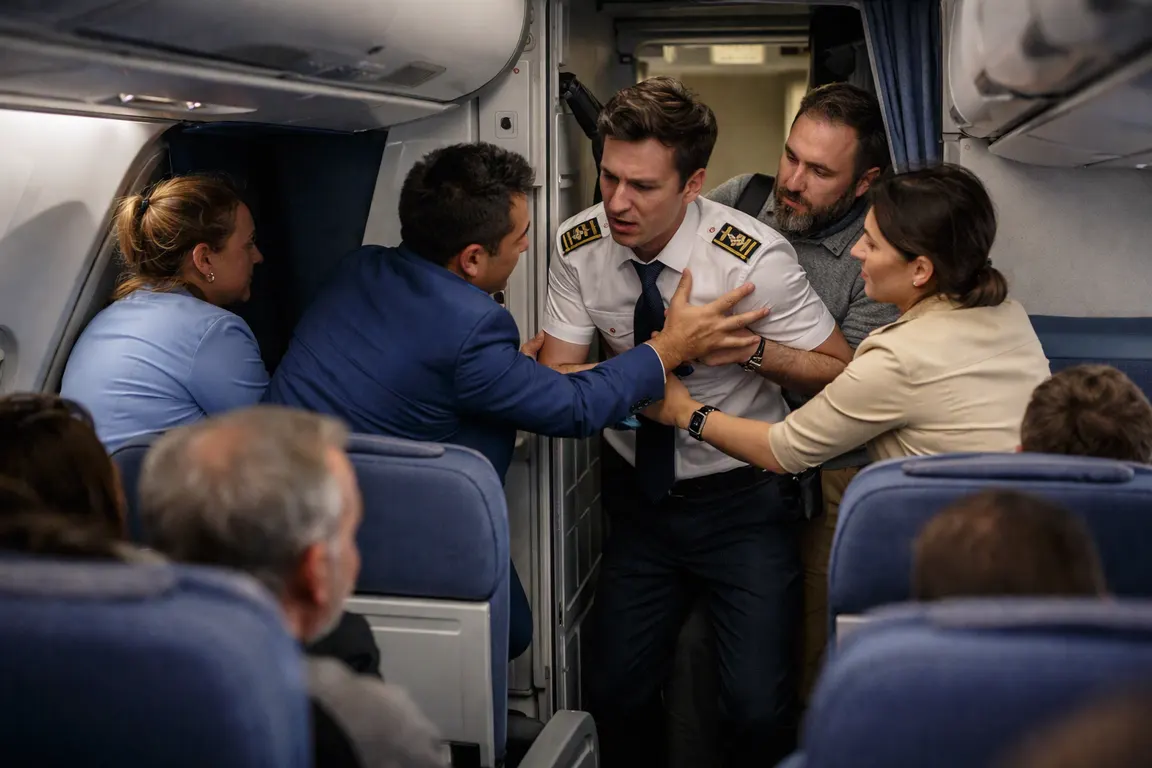
Flydubai Israel flight suspension was announced after a co‑pilot deliberately disengaged the controls of an Airbus A320 bound for Tel Aviv. The aircraft lost about 13,000 feet within 30 seconds, but cabin crew, flight‑deck crew and several passengers restrained the crew member, allowing the pilots to regain control and land safely in Dubai.
The incident occurred minutes after take‑off from Dubai with roughly 150 passengers on board. Passengers described a brief struggle in the cabin before the individual was subdued. Israeli officials called the act a "terror attack," but stopped short of linking it to any organization. Israel’s UN envoy described the perpetrator as a "radical individual" and noted that no network ties have been established.
Flydubai’s decision to suspend Israel‑bound services affects both the disrupted flight and the broader flow of tourists and business travelers between the United Arab Emirates and Israel. The airline said it will review crew‑vetting procedures and cooperate with regulators on any required changes.
Aviation authorities in the United Arab Emirates, Israel and the United Kingdom have issued heightened alerts, urging carriers to tighten background checks and monitor cockpit communications more closely. The International Civil Aviation Organization (ICAO) is expected to convene an emergency session to assess whether current safeguards are adequate to deter insider threats.
Industry analysts warn the incident could prompt stricter security measures that may lengthen boarding times and increase costs for airlines and passengers. The motive behind the co‑pilot’s actions remains unclear; officials have hinted at possible foreign involvement, but no concrete evidence has been presented.
Investigators are focusing on how the co‑pilot gained access to the cockpit and how the sabotage attempt was carried out. Airlines operating in the region are expected to submit revised security protocols to national aviation authorities within weeks.
Until the inquiry yields definitive findings, airlines and passengers will face heightened vigilance and uncertainty as regulators work to close any vulnerabilities exposed by the event.