

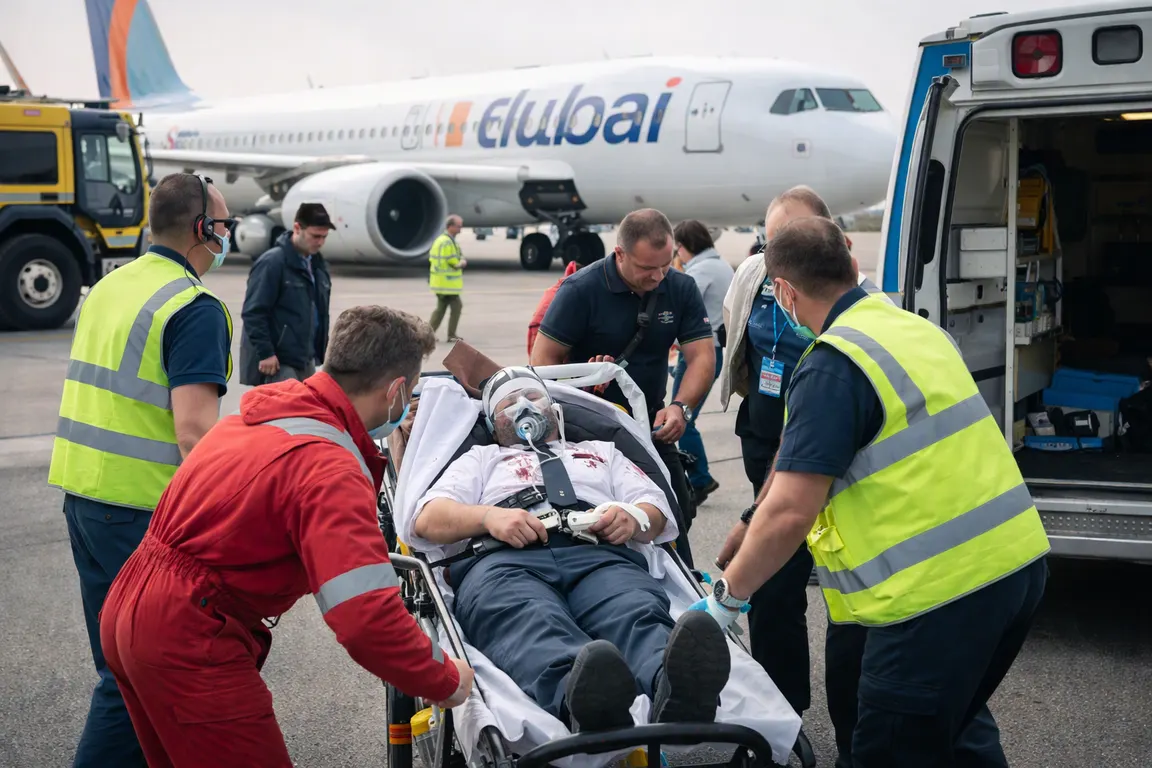
A FlyDubai Airbus A320 bound for Tel Aviv was forced to divert to Saudi Arabia on Tuesday after the captain allegedly stabbed the co‑pilot in the cockpit, prompting a FlyDubai emergency landing. The attack caused the aircraft to lose altitude rapidly, dropping from about 33,000 feet to 17,000 feet in roughly a minute before the crew declared an emergency.
Passengers felt a sudden jolt as the plane descended. Several cabin crew members and passengers moved toward the cockpit door and helped restrain the attacker. Airline officials said the co‑pilot, though injured, remained able to assist the pilots in managing the emergency descent.
The aircraft landed safely at an undisclosed Saudi Arabian airport. All 150‑plus occupants were taken off the plane unharmed. Among the passengers were a Jewish Australian couple from Sydney; Australia’s foreign minister confirmed their safety.
British officials responded quickly. The UK transport secretary said the Department for Transport, together with the Civil Aviation Authority, will conduct a full assessment of flight‑safety procedures following the incident. The review will examine cockpit security, crew training for violent incidents and existing safeguards against insider threats. Similar assessments are expected from the United Arab Emirates’ aviation regulator and the International Civil Aviation Organization.
A motive for the attack has not been established. Sources close to the investigation have not identified a reason, and the captain’s status has not been officially confirmed. Media outlets have referred to the individual as a “captain” or “pilot,” while UK officials describe him as an “alleged attacker,” reflecting the uncertainty surrounding the case.
The rapid altitude loss raised concerns about structural stress on the aircraft. Modern jetliners can tolerate sudden changes in altitude, but a 16,000‑foot descent in a minute places significant stress on the airframe and can disorient passengers. Flight‑deck recordings show the pilots reduced thrust and engaged autopilot functions to control the descent and avoid a loss of control.
FlyDubai said it will cooperate fully with authorities and will review its security protocols. Incidents of crew violence are rare, but they can damage an airline’s reputation and affect passenger confidence.
The incident revives discussion of insider threats, which have prompted regulators worldwide to tighten cockpit door policies after the 2009 “secure cockpit” mandates. Some experts say the event could accelerate calls for additional measures, such as more rigorous background checks for flight‑deck personnel, real‑time monitoring of cockpit communications and enhanced training for cabin crews to intervene in violent situations.
Investigators are still determining the exact sequence of events, the attacker’s motive and whether any procedural lapses contributed to the breach. The outcomes of the UK safety review and any subsequent regulatory changes will shape how airlines address the risk of violence from within the cockpit.