

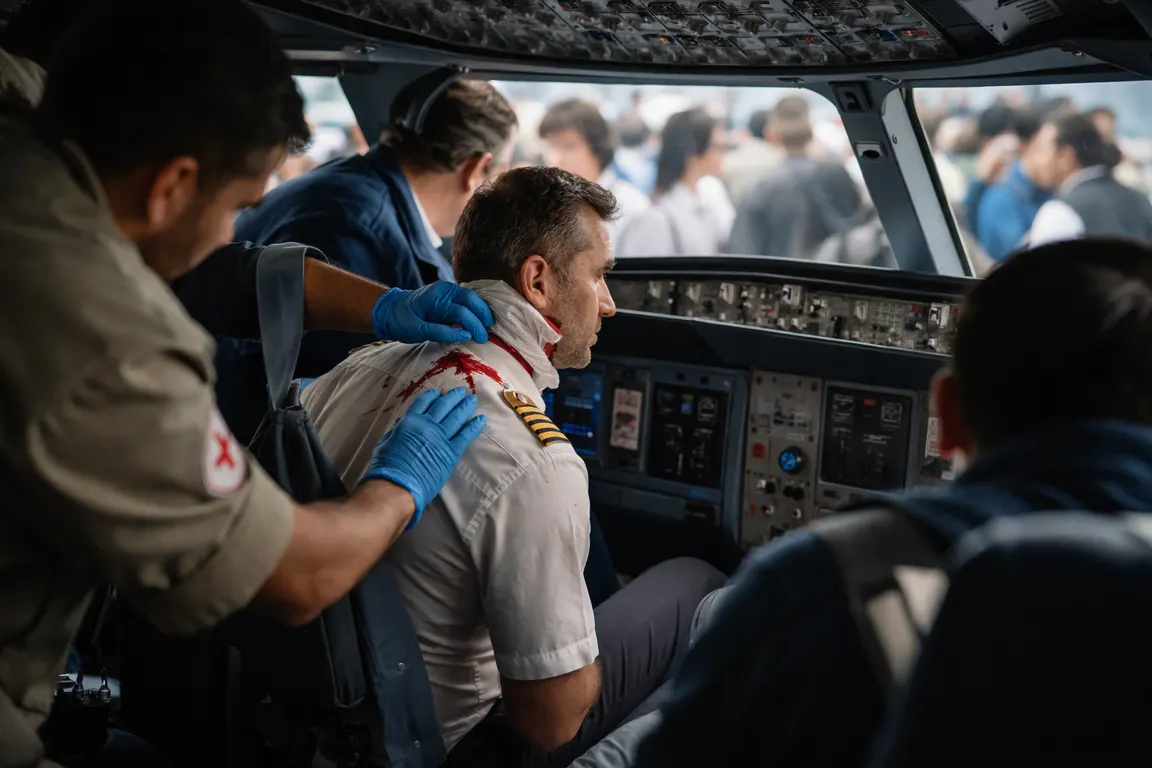
A flydubai Airbus A320 bound for Tel Aviv on May 30 dropped more than 13,000 feet in about 30 seconds after the first officer attacked the captain with a knife‑like weapon, raising serious questions about flydubai cockpit security. A passenger forced the cockpit door open, allowing the wounded captain to regain control and land the plane safely at Ben‑Gurion Airport.
The flight left Dubai at 09:30 local time with 180 passengers and crew. Shortly after take‑off the co‑pilot approached the captain’s seat, brandished a knife or small axe, and stabbed the captain before trying to seize the controls. The aircraft entered a rapid descent, falling to roughly 4,000 feet. Passengers reported hearing heavy blows and a sudden jolt.
One passenger, Tali Manes, rushed forward, pried the cockpit door open with his hands and shouted for the captain to pull the yoke. Despite his injuries, the captain stabilized the aircraft and completed an emergency landing. All occupants survived; several passengers and crew suffered bruises, shock or other minor injuries.
UAE authorities have opened a formal inquiry. The investigation focuses on how the co‑pilot was able to bring a weapon aboard and whether the cockpit‑door reinforcement standards are adequate. The General Civil Aviation Authority (GCAA) said it will review the single‑person “dead‑bolt” system that currently secures the cockpit and consider upgrades to prevent an insider from breaching the barrier.
Aviation experts cited by The Guardian said the incident highlights a systemic weakness in pilot vetting, noting that background checks for co‑pilots from certain regions may lack depth. The co‑pilot’s motive remains unclear; Israeli media have found no evidence of terrorist intent, and the pilot’s background has not been disclosed publicly. Authorities are weighing possibilities ranging from personal grievance to mental‑health issues.
Flydubai has not yet issued a comprehensive safety report. Analysts expect the airline will need to reassure passengers, possibly through refunds, enhanced security briefings and visible upgrades to cockpit doors. Such measures could raise operating costs for regional carriers if the GCAA adopts stricter standards.
The incident also threatens the growing UAE‑Israel travel market. Business and tourism links forged after the Abraham Accords could see a short‑term dip as travelers weigh safety concerns. Other Gulf airlines are watching the investigation closely, aware that any regulatory shift could affect fleet‑wide compliance requirements.
The GCAA plans to release a preliminary report within weeks, and the International Civil Aviation Organization is expected to convene a panel to review cockpit security standards globally. Until findings are published, airlines, regulators and passengers are left with unanswered questions about how to prevent similar insider threats and whether current vetting processes are sufficient.