

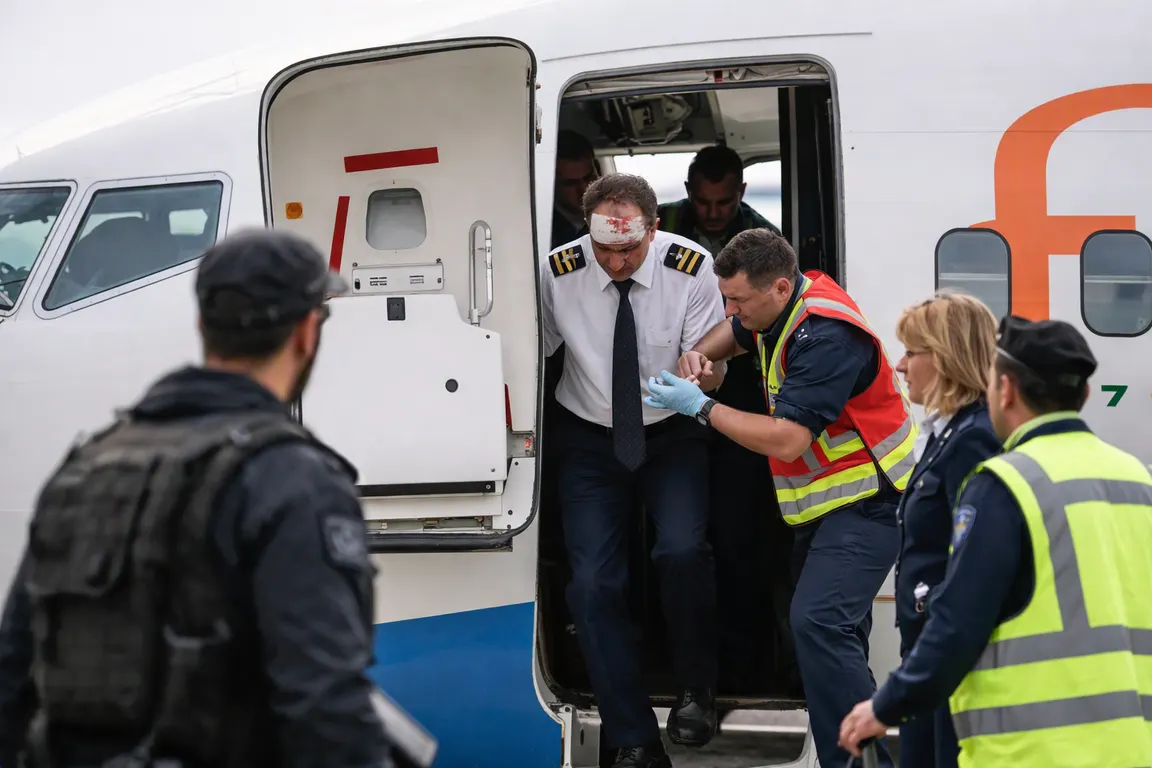
A Flydubai cockpit axe attack occurred on Flight 1073 when a co‑pilot used the aircraft’s standard crash axe to strike the captain and attempted to seize control during a scheduled Dubai‑to‑Tel Aviv flight on Saturday. The captain subdued the attacker, regained control and the plane landed safely. No injuries were reported.
UAE authorities classified the incident as a terrorist act and announced a review of cockpit security and crew‑vetting procedures. The flight carried more than 150 passengers and crew, underscoring the risk when a crew member turns violent.
The attacker was identified as Hamam al‑Hammami, a co‑pilot cleared for the flight. While cruising, al‑Hammami retrieved the crash axe – a tool required on all aircraft for emergency evacuation – and struck the captain before moving toward the flight controls. The captain, though wounded, managed to restrain al‑Hammami and steer the aircraft to a safe landing.
UAE officials noted that the axe was not smuggled onto the plane; it is part of the standard cockpit inventory. The country’s Attorney General said al‑Hammami had previously been barred from flying in Oman over concerns about extremist views, though the specific reasons were not disclosed. No motive beyond the terrorist label has been confirmed.
The episode exposes two security gaps. First, a functional axe in the cockpit, while mandated for safety, can be used as a weapon. Second, existing background‑check protocols did not flag al‑Hammami’s prior restrictions in a neighboring Gulf state. The UAE’s General Civil Aviation Authority said it will examine crew‑screening procedures but has not detailed any regulatory changes yet.
For Flydubai, the incident could dent passenger confidence on routes to Israel and affect short‑term ticket sales. The airline’s safety reputation is now intertwined with broader regional tensions, as the United Arab Emirates and Israel have deepened tourism and business ties since normalising relations in 2020.
Industry observers expect Gulf carriers to tighten vetting standards and reconsider the placement of tools like crash axes in the cockpit. Airlines may face higher training costs and pressure to install locked compartments or real‑time monitoring of cockpit access.
UAE aviation authorities have pledged a thorough investigation and said any findings will inform policy adjustments. Until concrete measures are announced, passengers and airlines will have to navigate heightened scrutiny and lingering doubts about cockpit security.
The incident underscores how a single breach of trust inside the cockpit can ripple through the aviation system, affecting safety perceptions, regulatory frameworks and the economic links that depend on reliable air travel across the Gulf region.