

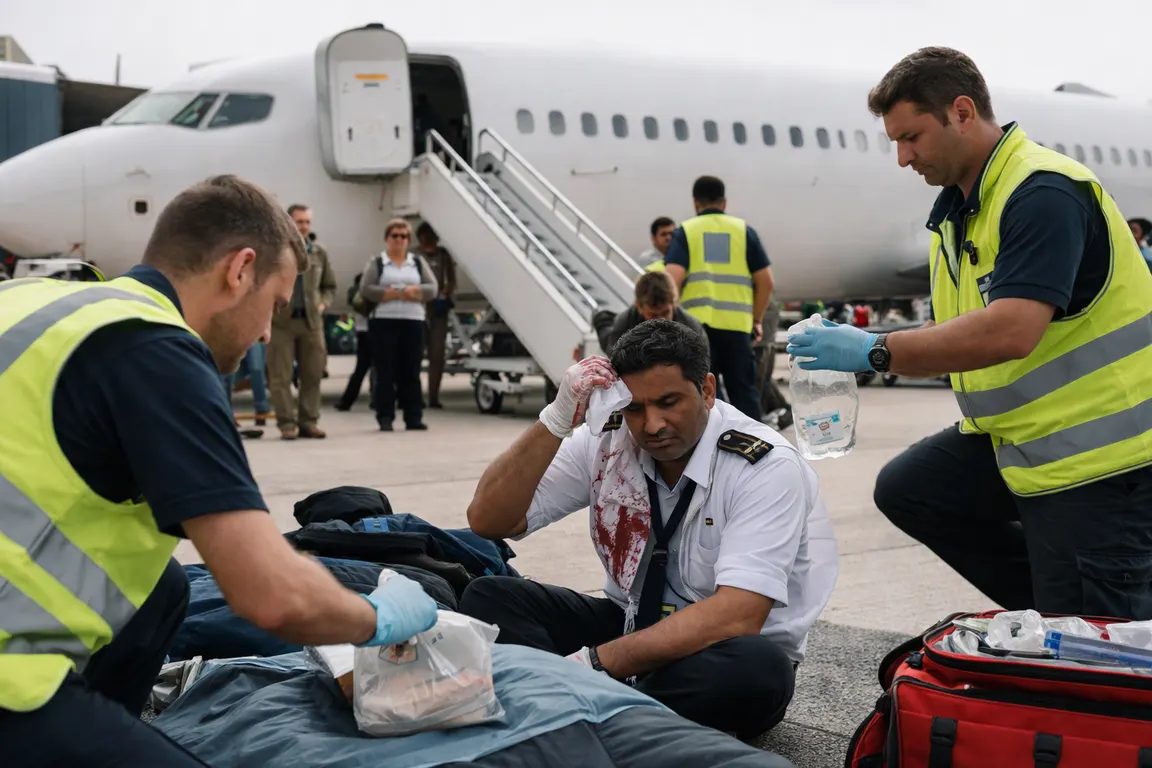
A flydubai cockpit axe attack occurred on a flight from Dubai to Tel Aviv when a co‑pilot used the emergency axe to strike Captain Smit Machchhar. The assault forced a rapid 16,600‑foot descent before passengers and crew subdued the attacker and the aircraft landed safely at a Saudi airfield.
The incident left 182 people on board shaken and the captain hospitalized with non‑life‑threatening injuries. Authorities in the United Arab Emirates, Oman and Australia have opened investigations into the crew member’s background and the vetting processes that allowed him to operate the flight.
The attacker, identified as Hamam Al‑Hammami, an Omani national, opened the cockpit door and swung the axe at the captain. Within about 30 seconds the plane lost more than 16,000 feet of altitude before the captain managed to close the door and regain control. Passengers and cabin crew helped restrain Al‑Hammami, allowing the pilots to stabilize the jet and divert to the Saudi airport, where he was taken into custody.
Al‑Hammami’s record raises questions about existing screening mechanisms. Oman barred him from flying in 2022 over alleged extremist views, and he was reportedly dismissed from Oman’s national airline after concerns about radicalisation. Flydubai and UAE officials have not confirmed whether the Omani ban was communicated to the airline. The co‑pilot also spent two years in Australia as a student; Australian security agencies have opened a separate probe into his stay to determine whether any warning signs were missed.
UAE investigators have classified the attack as a planned terrorist act. The captain has been praised as a hero by officials in the UAE and Israel. Israeli Prime Minister Benjamin Netanyahu invited him to Israel as a guest of honour. U.S. officials have warned of a “hard response” if any state, including Iran, is linked to the plot, but no evidence of state involvement has been presented.
The episode puts flydubai’s safety reputation at risk and is likely to trigger regulatory audits. Aviation authorities in the Gulf are expected to issue new guidance on background checks for crew assigned to flights serving Israel, a market that has expanded since the 2020 normalization agreements. Analysts warn that tighter vetting could create short‑term staffing shortages and may affect route schedules and ticket prices.
Passengers reported that cabin crew quickly organized a response, directing travelers to help restrain the attacker while the pilots worked to bring the aircraft under control. The incident highlights the importance of crew training for in‑flight emergencies and exposes a systemic weakness: fragmented security data across jurisdictions that hampers effective crew vetting.
Coordinated investigations by UAE, Omani and Australian authorities are underway. Their findings are expected to inform revisions to international crew‑vetting standards. In the meantime, airlines operating on politically sensitive routes are likely to adopt interim measures, such as enhanced background‑information sharing and additional cockpit security protocols, to reduce the risk of a repeat incident.