

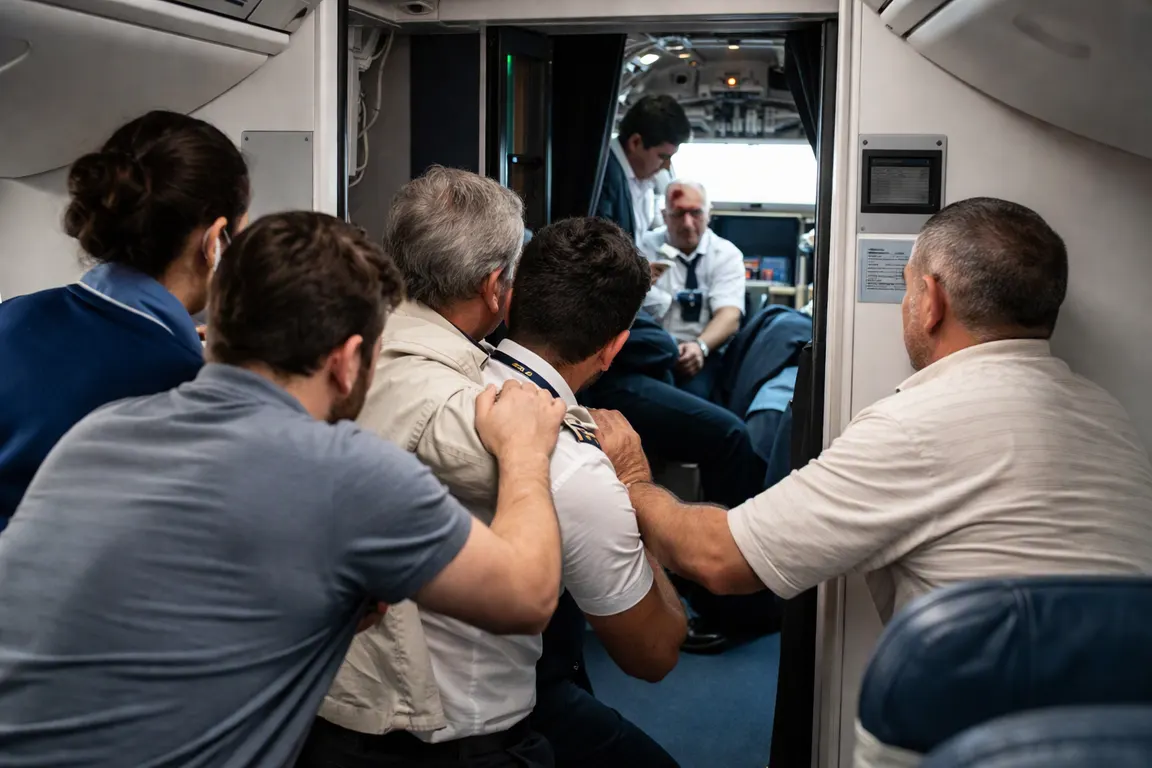
A 29‑year‑old Omani co‑pilot seized an emergency axe and struck the captain of Flydubai Flight FD‑... while the aircraft was cruising between Dubai and Tel Aviv on 30 September 2023. The assault forced the jet to descend rapidly to about 15,000 feet. Passengers subdued the attacker, opened the cockpit door and allowed two reserve pilots to take control. The plane diverted to Tabuk Airport in Saudi Arabia, where it landed safely.
The incident highlights an insider threat on commercial routes linking the Gulf to Israel. Regulators, airlines and travelers now face the question of how a single extremist actor can turn a routine flight into a potential mass‑casualty event. The case arrives as aviation authorities worldwide are reviewing cockpit‑access rules after a series of high‑profile hijackings.
UAE prosecutors identified the co‑pilot as Hamam (also reported as Hammam) al‑Hammami. In a statement released on 5 October, the Attorney General’s office said al‑Hammami confessed that he intended to crash the plane into Ben Gurion Airport’s passenger terminal to cause the “greatest possible number of human casualties.” He claimed he acted alone, had watched extremist material, taken boxing lessons and said his radicalisation began at an Australian mosque while studying at RMIT in 2017. No security flag appeared in Flydubai’s vetting process, and the airline said its internal checks found nothing suspicious.
The flight carried 174 passengers, most of them Israeli nationals, and all crew members faced physical danger and lasting psychological trauma. Passengers who intervened have been praised for their quick action, which prevented a catastrophic crash. Saudi authorities facilitated the emergency landing and handed the aircraft over to UAE investigators, who detained al‑Hammami and opened a formal inquiry.
In response, the UAE’s General Civil Aviation Authority announced a review of cockpit security protocols, including stricter background checks for flight‑deck personnel and enhanced monitoring of crew behaviour. European and Asian regulators have expressed interest in sharing intelligence on insider threats, and several airlines said they will reassess access to emergency tools such as axes. Industry analysts note that new safeguards could raise operational costs, but stress that preventing a repeat of an event that could have killed dozens is the priority.
The case also raises broader questions about how radical ideas travel across borders and infiltrate professional environments. While prosecutors attribute al‑Hammami’s motivation to online propaganda and personal study, independent verification of his alleged Australian mosque links remains limited. As investigations continue, authorities in the UAE, Saudi Arabia and Israel are coordinating to tighten security cooperation. Travelers to Israel may encounter heightened screening and reassurance measures in the coming months.