

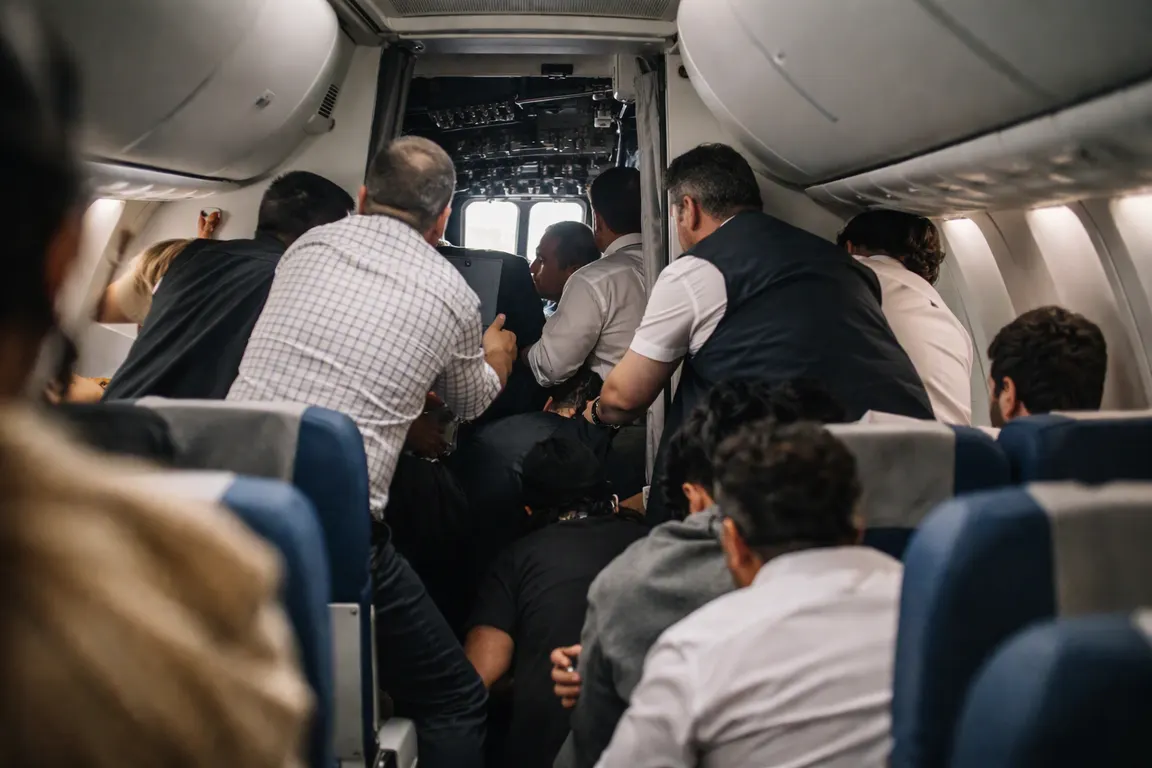
A Flydubai cockpit attack occurred on flight FZ1073 shortly after take‑off on Oct. 30, when a co‑pilot stabbed the captain, forcing a rapid 14,000‑foot descent. Passengers and crew broke into the cockpit, restrained the attacker and handed the aircraft to two other Flydubai pilots on board. The jet landed safely at Tabuk Airport in Saudi Arabia, and passengers were later transferred to a replacement plane that completed the scheduled route to Tel Aviv.
The incident underscores the threat an insider can pose to a route that has grown since the Abraham Accords. Regulators in the United Arab Emirates, Saudi Arabia and Israel have opened reviews of pilot vetting, cockpit‑door procedures and emergency‑response protocols.
FZ1073 departed Dubai International with 174 people aboard. Within minutes, the co‑pilot thrust a knife into the captain’s chest, causing the aircraft to lose altitude at a rate that dropped it roughly 14,000 feet in less than 30 seconds. Cabin crew and several passengers, including Indian pilot Smit Machchhar, forced the cockpit door open, restrained the attacker and escorted two fellow Flydubai pilots into the cockpit. The pilots stabilized the jet and declared an emergency diversion to Tabuk.
Saudi authorities cleared the runway and coordinated the emergency landing. After the aircraft was secured, passengers were escorted to a standby Flydubai plane that completed the flight to Ben Gurion Airport. Israeli Prime Minister Benjamin Netanyahu later identified the assailant as an Omani citizen, a detail confirmed by Saudi officials. No motive has been released; investigations by Saudi, Israeli and UAE authorities are ongoing.
Flydubai immediately suspended all flights to and from Israel while it cooperates with the investigations. The airline said the pause is temporary and will be lifted after safety assessments are completed. The suspension threatens the fledgling tourism and business traffic that has developed on the UAE‑Israel corridor and could cost the carrier millions in revenue.
Aviation regulators are responding swiftly. The UAE’s General Civil Aviation Authority has ordered a review of background‑check procedures for flight crew. Saudi Arabia’s General Authority of Civil Aviation is evaluating cockpit‑door security standards, and Israeli officials have pledged to work with Gulf counterparts to harmonise emergency‑response procedures for flights that cross multiple jurisdictions.
Experts say the episode raises broader questions about the security of rapidly expanding Gulf‑Israel air links. While passengers and crew averted a disaster, the fact that a crew member could weaponise a cockpit highlights a vulnerability previously deemed low‑probability. The incident may prompt airlines worldwide to reassess insider‑threat scenarios, even on routes considered politically stable.
Investigators will conduct a forensic analysis of the flight‑data recorder, review the attacker’s employment and immigration records, and publish revised safety guidelines. The findings will shape how quickly the UAE‑Israel corridor can return to normal operations and whether additional safeguards become standard across the region’s growing network of flights.