

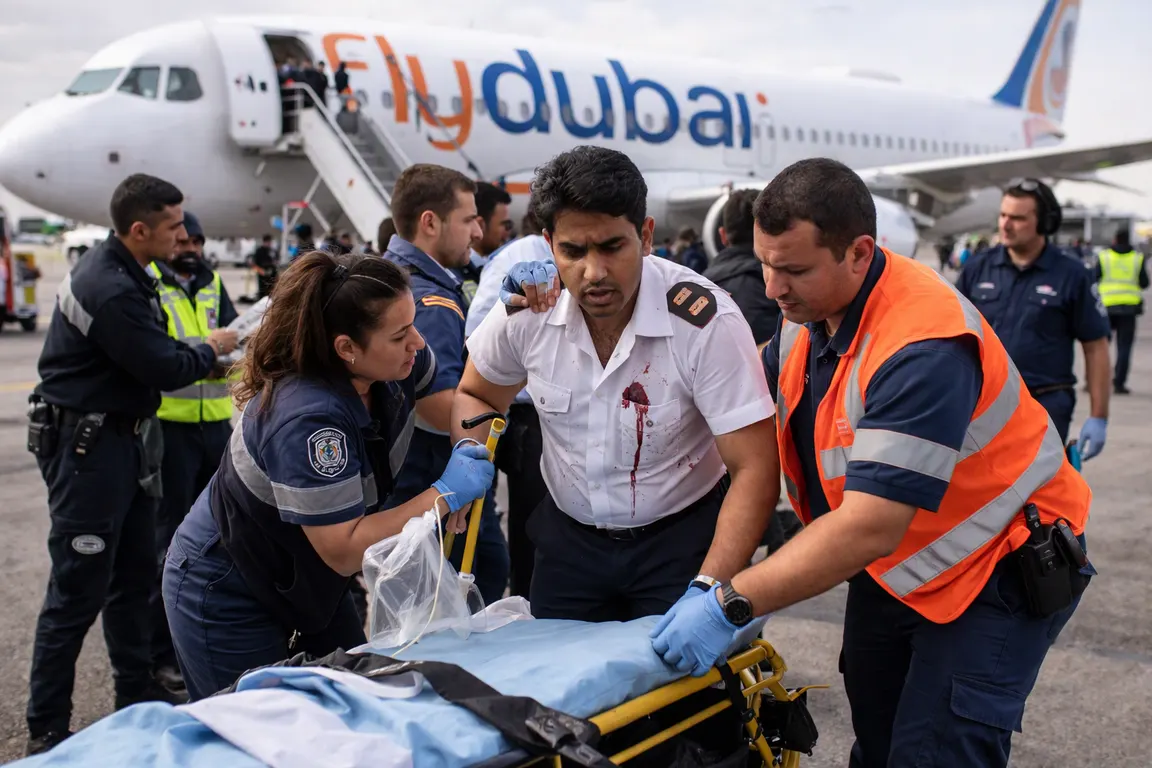
A Flydubai cockpit attack unfolded on a June 2024 flight from Dubai to Tel Aviv when the co‑pilot stabbed Captain Smit Machchhar, an Indian‑born pilot, shortly after take‑off. The Airbus A321 plunged more than 14,000 feet in under 30 seconds before the wounded captain opened the cockpit door, allowing passengers to intervene and restrain the attacker. The crew regained control and the plane landed safely at Dubai International Airport.
Captain Machchhar was air‑lifted to a hospital in Abu Dhabi for observation. No passengers were injured; all 150‑plus occupants were evacuated without further incident. Flight attendants instructed passengers to remain seated while the captain and intervening passengers dealt with the threat.
The incident, recounted during a televised video call with Prime Minister Narendra Modi, has reignited scrutiny of cockpit access rules and crew emergency‑response training across the Gulf region. Since the September 11, 2001 attacks, airlines have kept cockpit doors locked and limited entry to crew members. The fact that a co‑pilot could reach the captain with a weapon raises questions about background checks, mental‑health screening and the availability of defensive tools inside the cockpit.
Aviation experts say the breach is rare but underscores the need to review protocols for opening cockpit doors under duress. "When a cockpit door is locked, crews must have a clear, practiced method to regain control if an internal threat arises," one analyst noted.
Flydubai has not announced any immediate policy changes. The United Arab Emirates’ General Civil Aviation Authority confirmed an investigation is under way, focusing on the co‑pilot’s background, security measures on the aircraft and the crew’s response. The airline’s reputation, already sensitive to safety perceptions, could see short‑term effects on ticket demand as passengers weigh the risk of similar incidents.
The event has been reported by the BBC, The Guardian, The Independent and the New York Post. While coverage varies in tone, all outlets agree on the core sequence of events. No official statement from Flydubai or the UAE aviation authority has been released beyond the acknowledgment of the ongoing probe.
The investigation will determine whether current cockpit security protocols need tightening and whether additional training for crews on handling internal threats is warranted. Until findings are published, the incident serves as a stark reminder that even tightly regulated aviation environments can face internal security challenges, and that policies may need to evolve to address such rare but potentially catastrophic scenarios.