

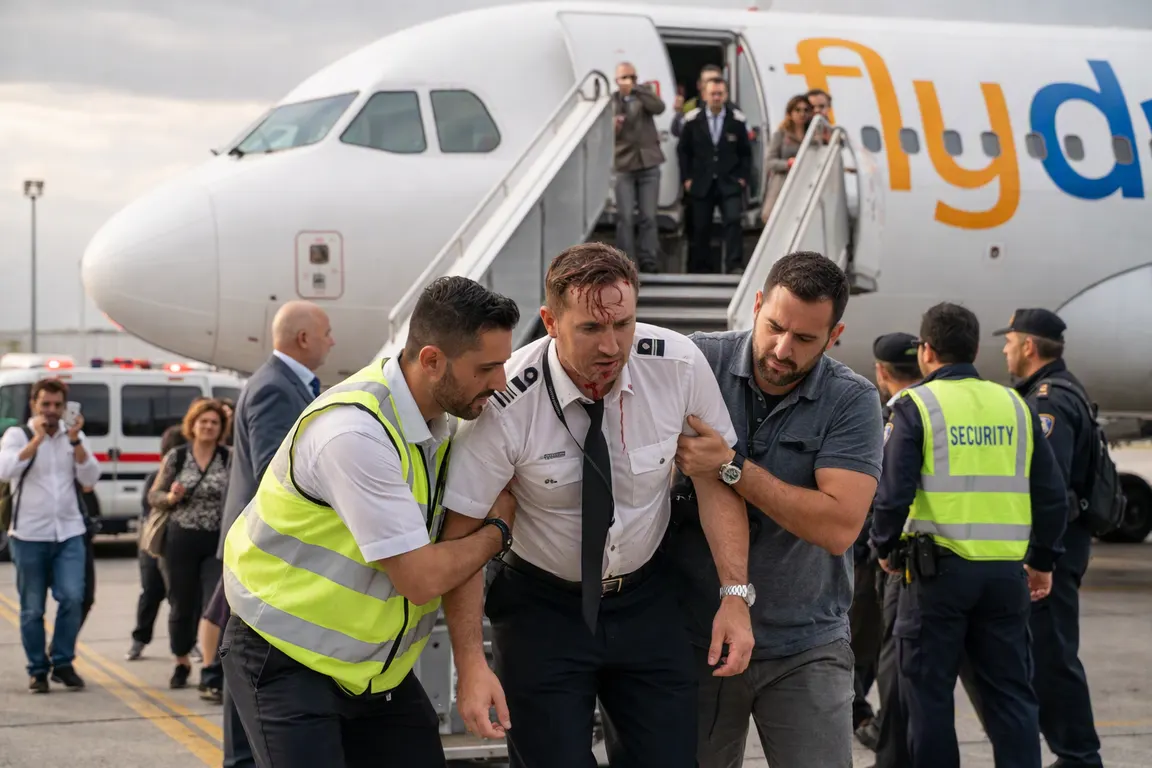
A Flydubai Airbus A320 bound for Tel Aviv faced a serious Flydubai cockpit attack on May 23 when a passenger stabbed the captain in the cockpit. The crew quickly regained control and the aircraft touched down safely at Ben Gurion Airport, averting a likely disaster.
The flight left Dubai with more than 150 passengers and crew. About an hour into the trip, the captain, Smit Machchhar, was attacked with a knife while steering the plane. Witnesses said he was stabbed several times, causing a brief loss of altitude before the remaining crew stabilized the aircraft.
Passengers, including a group of Israeli nationals, moved into the cabin, placed the attacker in a chokehold and held him until cabin crew could secure the situation. The plane then continued to Tel Aviv, where it landed under emergency protocols.
After disembarkation, a replacement Flydubai aircraft arrived later that day to transport the passengers to Israel. Israeli Prime Minister Benjamin Netanyahu praised Captain Machchhar as a "true hero" and thanked the passengers for their quick action. The Independent noted the captain’s Indian origin; other outlets simply referred to him as the pilot.
The incident exposes a gap in the security model that relies on a locked cockpit but does not fully address the risk of a passenger or insider breaching the barrier. International standards, such as ICAO’s recommendation for reinforced cockpit doors, assume a physical barrier alone is sufficient. In this case, the attacker appears to have entered when the door was opened for routine communication.
UAE and Israeli regulators have been asked to review cockpit‑access protocols. The UAE’s General Civil Aviation Authority said it will examine the incident, while Israel’s Civil Aviation Authority signaled a review of emergency‑response training for crews facing violent threats. Observers note the episode could prompt broader revisions, such as mandatory armed air marshals on certain routes or enhanced training for cabin crew to manage armed assaults.
Flydubai released a statement confirming that all passengers and crew are receiving medical and psychological support. Several passengers described the experience as "traumatic" but expressed gratitude for the crew’s professionalism and the collective effort that averted a tragedy. The airline has not disclosed the attacker’s identity or motive, and police investigations remain ongoing.
The episode underscores a growing reality: passengers may increasingly find themselves in emergency roles traditionally reserved for crew or security personnel. While the actions on this flight were praised, experts caution against normalising such expectations. The focus, they argue, should remain on preventing breaches through stronger cockpit security and clearer protocols for crews to handle violent incidents.
As investigations continue, regulators face pressure to act swiftly. Whether the GCAA or other aviation bodies will introduce new cockpit‑access rules, mandate armed personnel, or revise crew‑training standards remains to be seen. The outcome will shape how airlines balance security, cost and the unpredictable element of passenger‑driven emergency response in the years ahead.