

Flydubai co‑pilot investigation sparks global
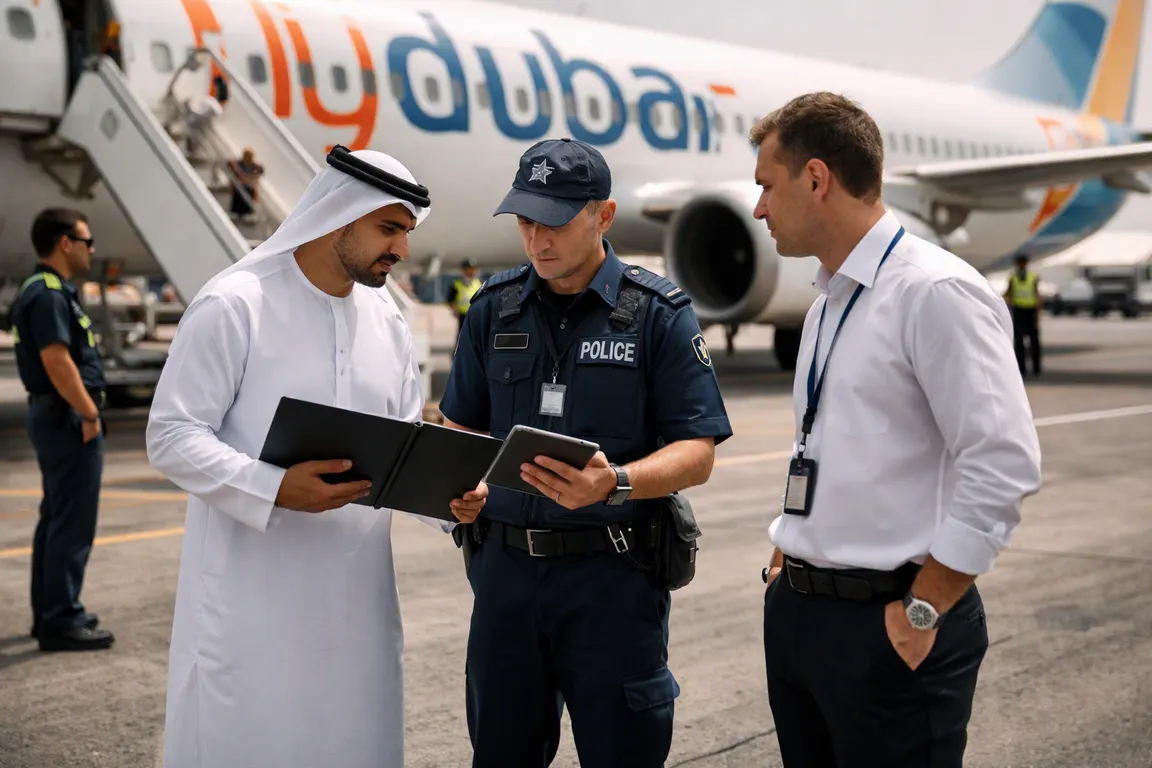
Investigators in the United Arab Emirates, Australia and Israel have each launched inquiries after a Flydubai co‑pilot was accused of attacking passengers on a regional flight. The allegations have sparked questions about how airlines screen crew members for radicalisation risks and could prompt tighter vetting standards worldwide.
UAE authorities say early evidence suggests the co‑pilot acted alone, but they have not ruled out ties to extremist groups or foreign actors. A statement cited by NBC News emphasized that the investigation is in its preliminary stage and that no concrete proof of organized affiliation has emerged.
In Australia, police and intelligence agencies are examining the co‑pilot’s travel records, communications and any possible recruitment pathways involving Australian citizens or residents. Al Jazeera reported that officials have not disclosed the specific links under review, leaving a gap in publicly available information.
Israeli Prime Minister Benjamin Netanyahu told domestic media that the co‑pilot had undergone radical Islamist indoctrination. The Independent quoted the prime minister’s claim, which contrasts with the more cautious tone of the UAE statement. No intercepted messages, training records or other evidence have been released to substantiate the allegation.
The differing narratives highlight the tension between diplomatic restraint and political urgency. While the UAE maintains a standard investigative posture, Israel’s comments add a geopolitical dimension that could shape public perception and diplomatic dialogue. Analysts note that without shared evidence, assessing the credibility of either position is difficult.
For passengers, the incident raises safety concerns. Flydubai has not disclosed the flight number, date or the co‑pilot’s name, but the airline’s reputation is under scrutiny. Industry observers warn that even unproven security lapses can depress ticket sales and erode confidence in low‑cost carriers that operate extensive regional networks.
Regulators may respond by reviewing crew‑screening protocols. The International Civil Aviation Organization (ICAO) has urged member states to share security‑related information on airline personnel, but implementation varies. Should investigations reveal systemic weaknesses, national aviation authorities could impose stricter background checks, periodic psychological assessments or real‑time monitoring of crew activities. Such measures would increase operational costs for airlines and could lead to tighter cross‑border data‑exchange agreements.
Australian and Israeli agencies are allocating resources to assess any domestic threat linked to the alleged radicalisation. Both countries expect to release interim findings within weeks, though final conclusions may take months given the complexity of transnational intelligence sharing.
No definitive link to an extremist organization or foreign state has been confirmed. As the three jurisdictions continue their separate but overlapping investigations, the aviation sector is watching for policy shifts that could reshape crew‑vetting standards worldwide.