

Flydubai A320 attack forces emergency landing in Saudi
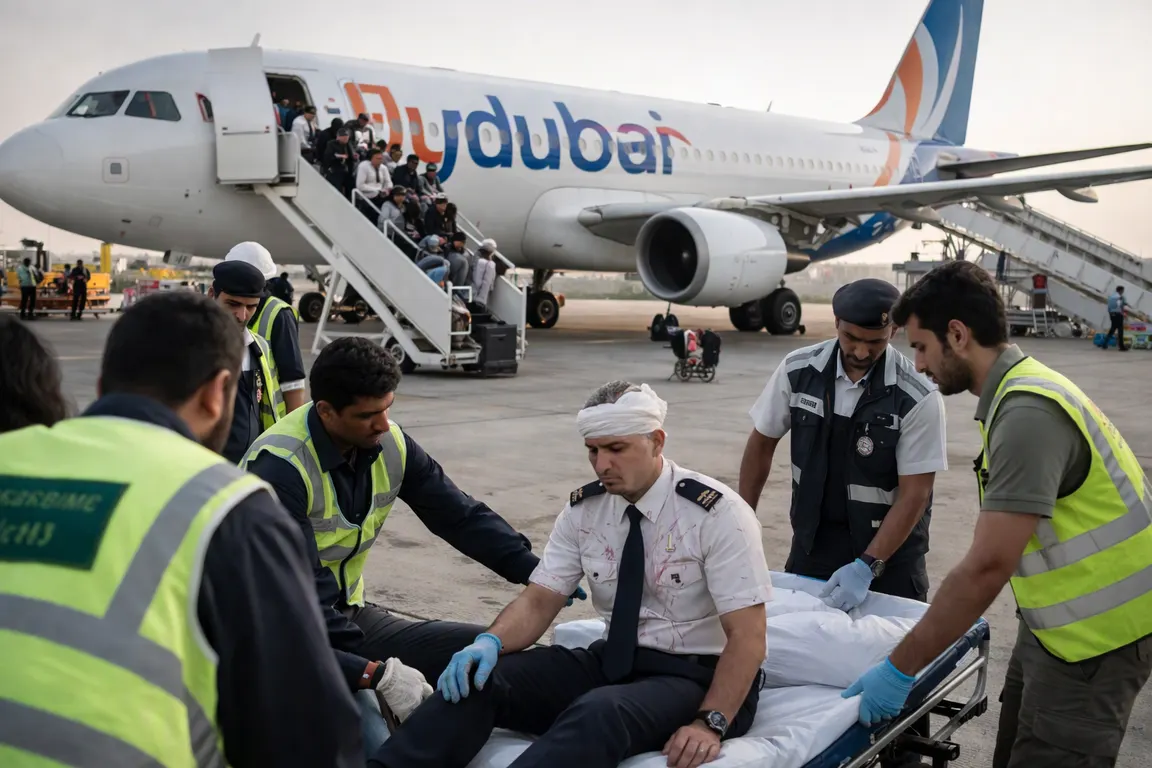
A Flydubai A320 attack occurred on Sept. 30 when a co‑pilot seized a crash axe and struck the captain, causing the aircraft to lose more than 14,000 ft in under 30 seconds. The crew and passengers restrained the attacker, allowing the pilots to regain control and divert the plane to Tabuk, Saudi Arabia, where it landed safely without fatalities.
The Airbus A320 departed Dubai International at 05:22 UTC with 174 people on board. Within seconds of take‑off, Omani national Hamam al‑Hammami grabbed an axe from the galley and hit Captain Smit Machchhar. Flight‑tracking data shows the altitude dropped from 30,875 ft to 16,750 ft between 05:22:07 and 05:22:36 UTC. Passengers, alerted by sudden turbulence, helped flight attendants subdue the assailant, a response the airline described as a coordinated effort under extreme duress.
UAE Attorney General Hamad Saif Al Shamsi classified the incident as a terrorist act and ordered a criminal investigation. Israeli Prime Minister Benjamin Netanyahu said Israel’s security agencies would examine whether the co‑pilot acted under foreign direction. No forensic evidence has been released, and independent investigators have not commented.
Flydubai suspended all flights to Israel within hours, grounding the Dubai‑Tel Aviv route that had symbolized the commercial promise of the Abraham Accords. El Al also cancelled its scheduled services, leaving several Israeli passengers stranded. Regional carriers are reviewing cockpit‑access policies, tightening background checks for co‑pilots and reconsidering the placement of tools such as axes in the cockpit. The incident may prompt revisions to ICAO recommendations on insider threats, an issue that received limited attention after the 2015 Germanwings crash.
Al‑Hammami’s background adds complexity. The Independent reported he completed a distance‑learning aviation‑management course at Buckinghamshire New University in the United Kingdom, a detail not mentioned in UAE statements. No link between his studies and extremist activity has been found, and the UAE has not disclosed whether his training records were examined.
The safety breach threatens the economic momentum generated by the UAE‑Israel air link. Business travel and tourism between the two states had risen sharply since the route opened in early 2024, and the suspension could dent airline revenues and broader trade flows. Gulf carriers may also face higher insurance premiums and the cost of retrofitting aircraft with additional physical barriers or monitoring systems to deter insider attacks.
The investigation is ongoing. UAE authorities have not set a timeline for concluding their probe, and Israeli officials warned that any finding of external coordination could have diplomatic repercussions. As airlines scramble to reinforce security, the aviation community awaits clearer guidance on identifying and mitigating insider threats before they manifest as in‑flight violence. The episode underscores a stark reality: the cockpit remains a vulnerable point in commercial aviation, and addressing that risk will require coordinated policy action, transparent investigations and sustained investment in crew training.