

EU warns Serbia over Mladic funeral and EU accession impact
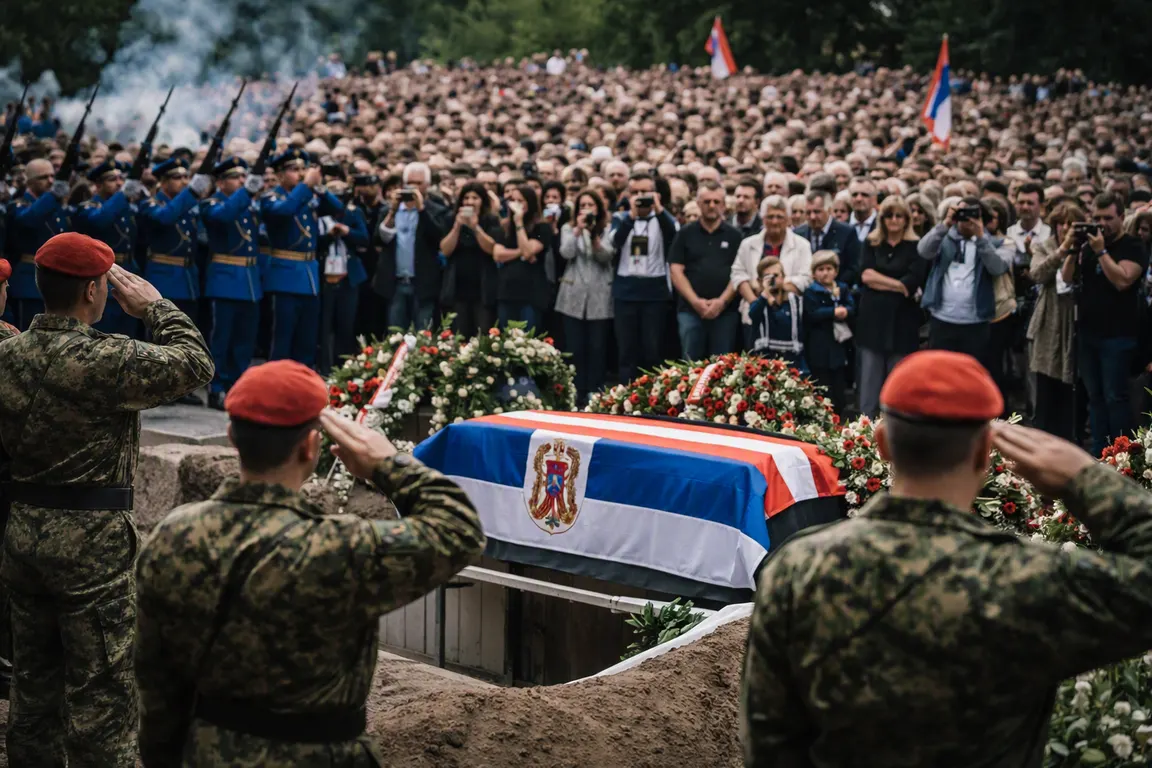
Belgrade held a military‑honoured burial for former Bosnian‑Serb army commander Ratko Mladic on May 23, prompting an EU warning Serbia funeral Mladic could jeopardise Serbia’s EU accession talks.
Thousands attended the ceremony, which featured a flag‑draped coffin and a military salute. The Serbian government declined to comment on whether an official decree authorized the honours, leaving the extent of state involvement unclear.
Mladic was sentenced in 2017 by the International Criminal Tribunal for the former Yugoslavia to life imprisonment for genocide, war crimes and crimes against humanity related to the 1995 Srebrenica massacre. He is serving his sentence in a high‑security prison in the United Kingdom.
EU foreign policy chief Josep Borrell issued a statement on May 24 saying that any public glorification of convicted war criminals is “incompatible with EU values” and could affect Serbia’s negotiation track. The warning came before a Red Star Belgrade supporters’ display on May 26, when fans unfurled a large banner bearing Mladic’s likeness before a derby against Partizan. Neither the club nor its sponsors have confirmed whether the tifo was officially sanctioned.
Human‑rights groups, including the International Center for Transitional Justice, condemned the funeral and the football display as a “dangerous revisionist narrative” that undermines victims’ rights and regional reconciliation. Families of Srebrenica victims in Bosnia and Herzegovina said the events revived trauma, while opinion in Serbia remains split: some view Mladic as a nationalist symbol, others see the celebrations as a setback to democratic reforms and EU aspirations.
The diplomatic fallout could be material. EU‑Serbia relations already hinge on progress in judiciary reform, media freedom and anti‑corruption measures. Continued public honouring of convicted war criminals may slow accession talks, potentially delaying access to EU funding, trade benefits and foreign investment. The incident also raises reputational risk for Serbian football clubs and sponsors if international partners object to extremist symbolism at matches.
Serbian President Aleksandar Vučić’s office has not provided an official explanation for the military salute, and no decree confirming state honours has been published. Analysts say the lack of a clear governmental stance leaves open the possibility that the funeral reflects an informal endorsement by elements within the security establishment or a grassroots nationalist expression.
As the EU monitors Serbia’s compliance with accession benchmarks, a briefing in Brussels is expected to assess whether the funeral and the Red Star tifo constitute a breach of the EU‑Serbia Stabilisation and Association Agreement. The outcome could shape the timeline for Serbia’s EU bid and influence how the country balances domestic nationalist sentiment with its European ambitions.