

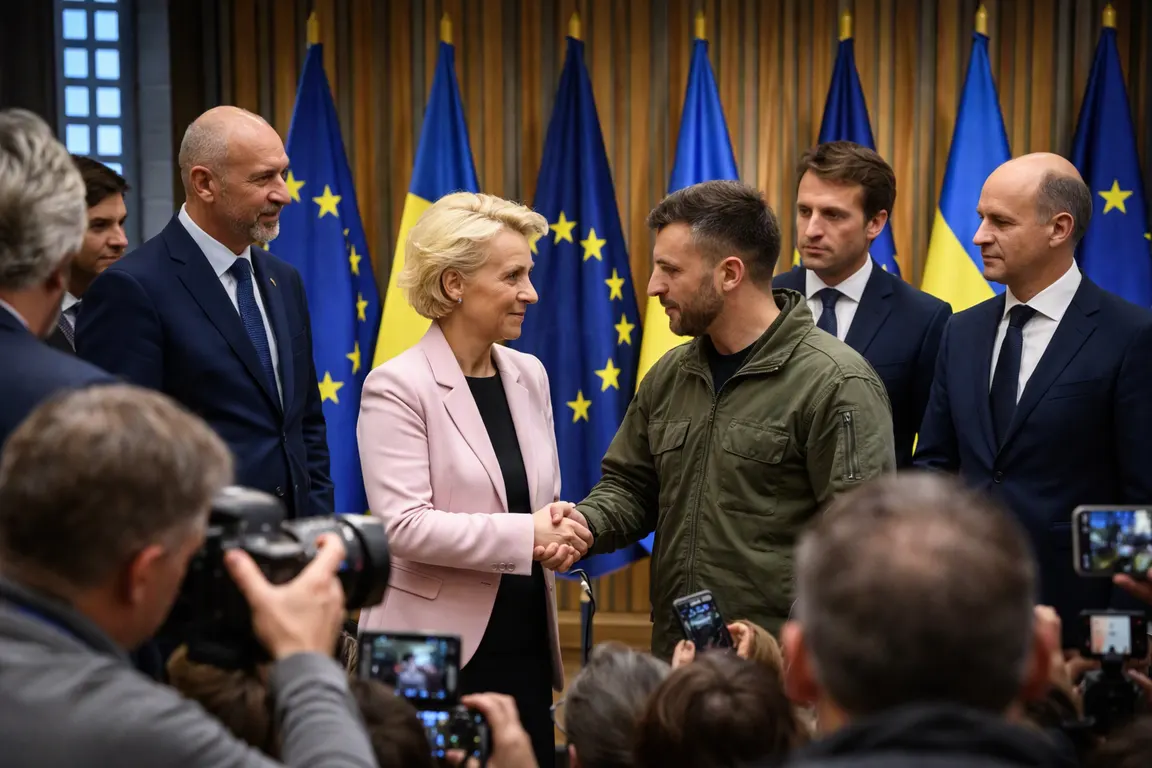
EU leaders in Brussels on Thursday unveiled a supplemental €15 billion aid package for Ukraine, reinforcing sanctions against Russia and highlighting a growing divergence from Washington after President Trump eased restrictions on Moscow.
Ukrainian President Volodymyr Zelensky had asked the EU for an additional $79 billion — about €73 billion — to fund Kyiv’s war effort through 2025. The request follows a €90 billion loan programme that runs to the end of 2027, which Ukraine says still leaves “tens of billions” unfunded. Council President Antonio Costa and Dutch Prime Minister Rob Jetten backed the appeal and called for tighter pressure on Russia, signalling a coordinated European response.
Trump’s recent sanction relief, tied to a large diesel shipment to Russia, prompted Zelensky to warn that the deal channels revenue directly to Moscow and weakens Ukraine’s defence budget. He also raised concerns about the loss of Starshield/Starlink satellite communications supplied by the United States. European diplomat Kaja Kallas said the disruption cannot be quickly replaced, and the loss of high‑bandwidth links threatens command‑and‑control capabilities as winter approaches.
At the summit, EU finance ministers outlined a plan to increase the existing loan tranche and explore additional funding from frozen Russian assets. While some member states favour tapping the €200 billion of seized reserves, others caution that legal and political hurdles could delay disbursement. The immediate proposal includes the €15 billion supplement, financed through a mix of budget contributions and new borrowing, aimed at bridging short‑term shortfalls for weapons, ammunition and humanitarian aid.
The funding debate is intertwined with sanctions policy. After Trump labelled Ukraine’s recent strikes on Russian oil refineries a “disgrace” and warned of higher global energy prices, the United States signalled a softer stance toward Moscow. European officials warned that any rollback of sanctions could embolden Russia’s war machine and complicate the EU’s export‑control regime. The diesel trade, though not quantified publicly, is expected to boost Russian revenue and could influence global fuel markets, adding pressure on European energy consumers already facing higher prices.
Operationally, the interruption of U.S. satellite services has forced Ukrainian units to rely on older, less resilient communications infrastructure. Analysts note that without the high‑throughput links provided by Starshield, real‑time intelligence sharing and artillery coordination become less precise, a vulnerability that could be exploited as fighting intensifies.
The EU’s renewed financial commitment reflects a strategic calculation: sustaining Ukrainian resistance reduces the risk of a broader regional spillover and protects European security interests. Success depends on unlocking frozen assets, securing parliamentary approval for additional borrowing, and coordinating with U.S. partners on satellite support.
The next decisive step will be the European Parliament’s vote on the supplemental funding bill and the legal framework for accessing Russian reserves. Until those measures are in place, Ukraine faces a dual challenge of funding shortfalls and degraded communications, while European markets watch closely for ripple effects on energy prices and fiscal pressures on taxpayers.