

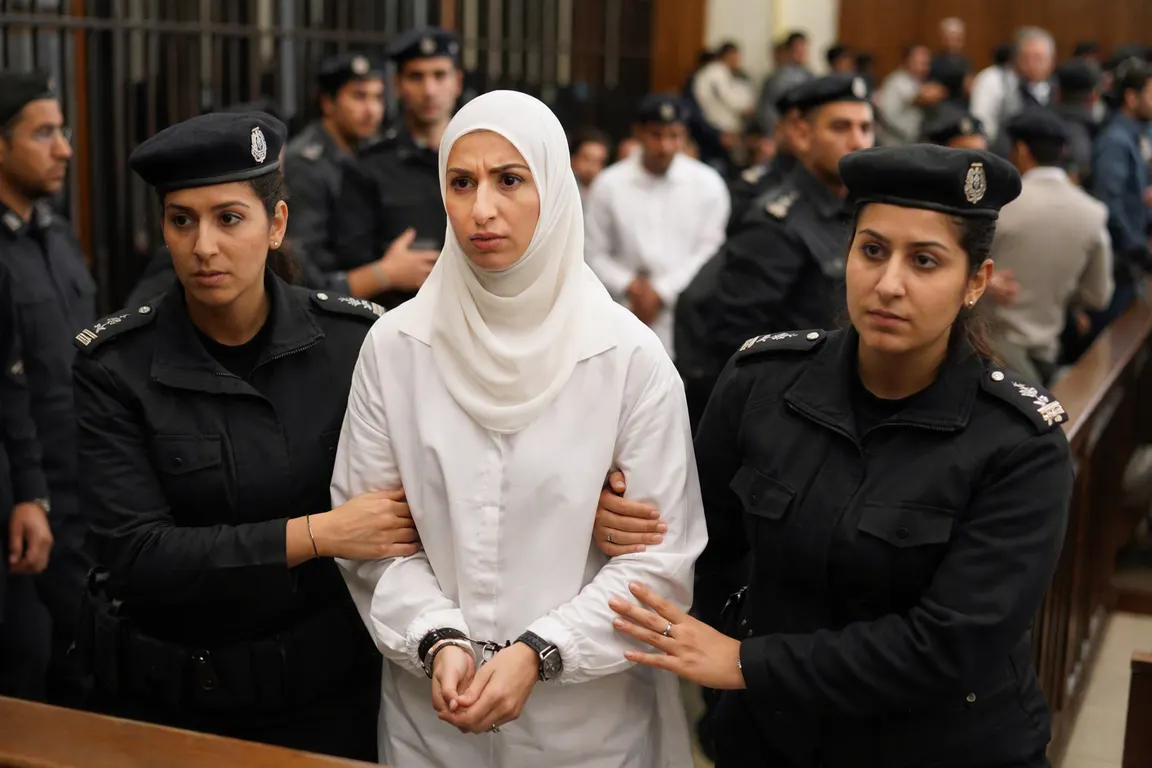
A Cairo criminal court sentenced television presenter Sarah Khalifa, host of the crime‑focused show “Mission Impossible,” to death on Friday, alongside eleven co‑defendants who received the same penalty. The verdict, reported by The Independent World, BBC News and Al Jazeera, reflects Egypt's increasingly harsh approach to drug offenses and underscores the Egypt death sentence drug trafficking context.
The court found Khalifa and ten men and one woman guilty of participating in a drug‑trafficking network that operated across several provinces. The rulings did not disclose the specific substances, quantities involved or the evidentiary basis for the convictions.
Khalifa, best known for a program that highlighted crime and security issues, was among the twelve defendants handed the death sentence. The decision comes as the government intensifies a nationwide crackdown on narcotics, deploying large‑scale police operations and seeking severe penalties in high‑profile cases.
Human‑rights groups have repeatedly criticized Egypt’s judicial process for lacking transparency and limiting defendants’ access to independent counsel. The three news outlets covering the verdict agree on the outcome but differ in emphasis: The Independent World and the BBC foreground Khalifa’s media role, while Al Jazeera places the case within the broader drug‑ring investigation. None of the reports included statements from rights organisations or details about the defendants’ legal representation.
The sentencing raises unanswered questions about due‑process safeguards. The court has not explained why capital punishment was applied to a media personality, and it is unclear whether the defendants received adequate legal counsel or were afforded procedural protections required under international standards.
For Khalifa’s family, the other eleven defendants and Egypt’s journalistic community, the verdict sends a chilling signal. Media professionals who cover crime or security issues may face heightened scrutiny and potential legal exposure, potentially curbing investigative reporting.
The government argues that severe penalties deter drug‑related activity and reinforce public safety. Observers will watch for any appeals or international legal challenges that could affect the fate of the twelve sentenced individuals.
The case underscores a tension between Egypt’s goal of eradicating narcotics and the need to uphold fair‑trial standards. As the country continues its aggressive drug‑law enforcement, the death‑penalty verdict stands as a stark illustration of its uncompromising stance on drug trafficking and its broader impact on media freedom.