

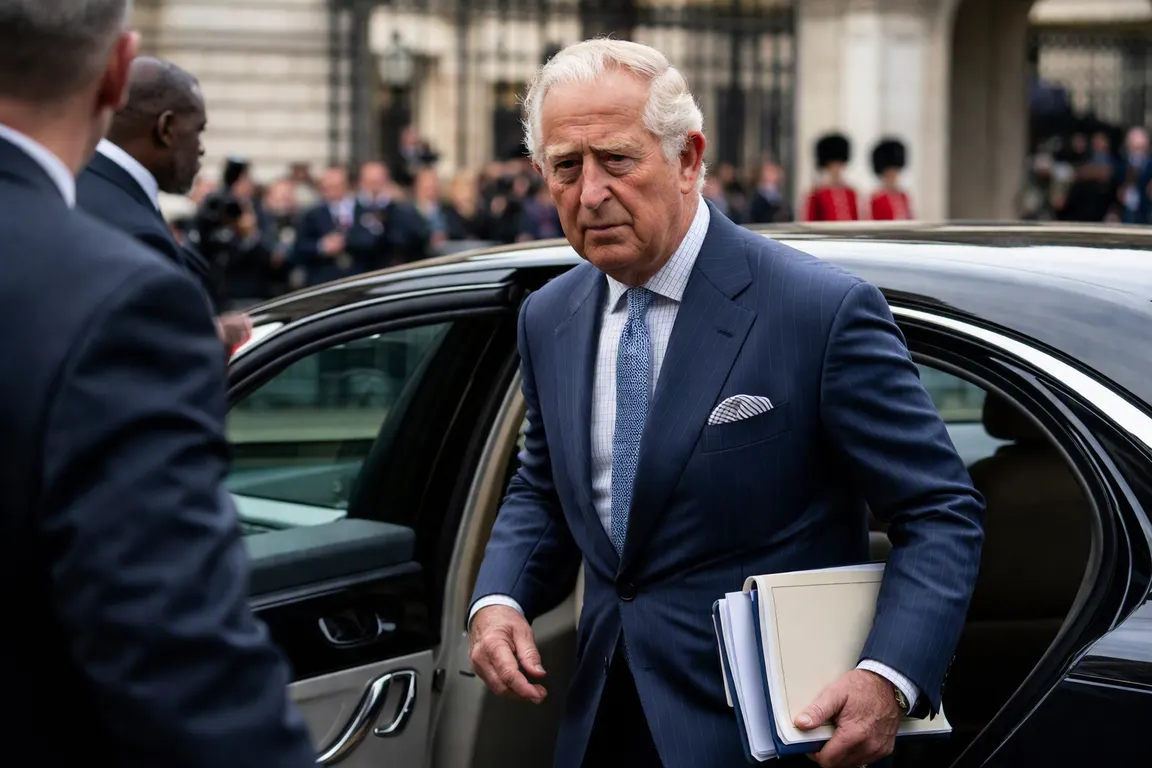
A forthcoming memoir by Earl Spencer, Princess Diana’s brother, contains an alleged "Earl Spencer memoir claim" that King Charles told him, “Rest assured, we’ll forget her soon enough,” after Diana’s death in 1997. Buckingham Palace issued a firm denial on Tuesday, calling the claim false and noting that “the pain of fraternal grief can cloud reason.”
The allegation resurfaced as excerpts from Spencer’s book, *Swan Song*, began appearing in the press earlier this month, just days before the memoir’s scheduled release next week. The timing places the royal family under renewed public scrutiny while it faces heightened attention to its charitable work and public standing.
Spencer’s account, published in the United Kingdom and the United States, describes a conversation in which Charles sounded “giddily elated, like a lottery winner” when discussing the aftermath of Diana’s death. The memoir, compiled over several years, frames the remarks as part of Spencer’s personal recollections rather than an official record.
The palace’s response, echoed by outlets including The Guardian, NBC News and The World, rejected the allegation in unequivocal terms and reiterated that no evidence supports the claim. No third‑party witnesses or documents have emerged to verify either side, and no legal action has been announced.
Spencer, who is Diana’s brother, offers a perspective that may be colored by long‑standing family tensions. The royal household, representing the sovereign, has no independent corroboration of the alleged conversation and therefore labels it false. The dispute centers on competing narratives rather than new evidence.
Public reaction to the memoir could affect perceptions of the monarchy’s moral authority, a soft‑power asset that underpins many royal‑linked charities. If readers accept Spencer’s claims, confidence in the royal family’s empathy and transparency could erode, potentially influencing charitable donations and volunteer support. Conversely, a decisive palace rebuttal may reinforce loyalties among supporters who view the allegations as an attempt to sensationalise a personal grievance.
Publishers have reported heightened interest in pre‑release excerpts, and the timing of the denial suggests an effort to manage reputational risk before the book reaches a wider audience. The episode also highlights the challenges the institution faces when private family memories become public debate.
*Swan Song* is slated for public release next week. Observers will watch for public commentary, social‑media sentiment and any further statements from the palace. The unresolved question remains whether independent evidence will emerge to substantiate or refute Spencer’s account, and how the episode will shape the monarchy’s relationship with the public and its charitable enterprises.