

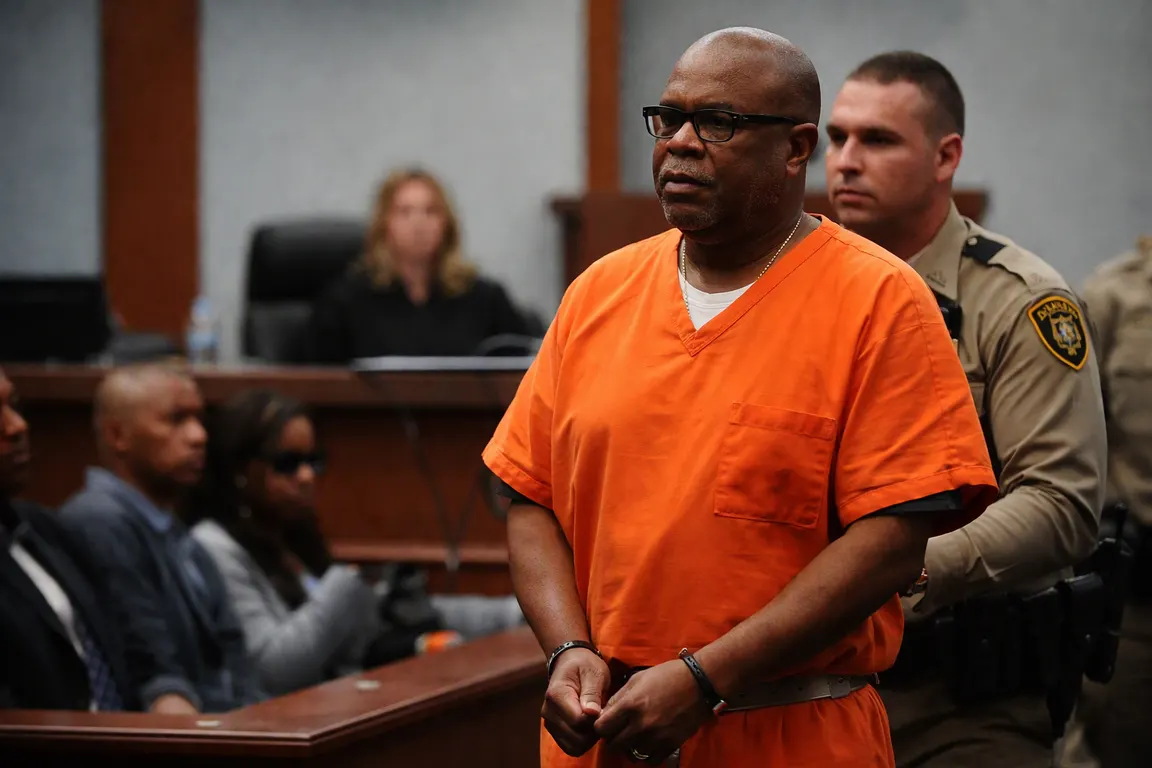
A Nevada judge on Tuesday sentenced former South Side Compton Crips leader Duane “Keffe D” Davis to 40 years to life for the 1996 drive‑by shooting that killed rapper Tupac Shakur. Judge Carli Kierny added a mandatory 20‑year enhancement for profiting from the murder, raising Davis’s maximum term to 60 years.
The verdict closes a three‑decade cold case that has haunted law‑enforcement agencies, Shakur’s family, and a generation of hip‑hop fans. Davis’s 2019 memoir and a series of televised interviews in which he described his role gave prosecutors the admissions that finally broke the investigative dead‑ends that had stalled the case.
Davis was convicted in March 2024 after a trial that relied heavily on his own statements, corroborated by phone records and witness testimony placing him on the Las Vegas Strip on the night of September 13, 1996. Prosecutors argued that Davis orchestrated the attack that killed Shakur and later profited by selling his story to publishers and media outlets.
The sentencing was reported by major outlets including Al Jazeera, BBC News, The Guardian, NBC News and The Independent. The Guardian highlighted Judge Kierny’s remarks on systemic police failures that allowed the case to stall for years, noting missed leads and fragmented cooperation between Las Vegas police and the Los Angeles County Sheriff’s Department. The Independent pointed to Davis’s memoir as a turning point, a detail not emphasized by other reports.
Afeni Shakur, Tupac’s mother, addressed the court, saying she felt relief that “justice has finally been served” while urging continued reform of cold‑case protocols. Her remarks echo a broader demand for accountability that extends beyond a single conviction. Nevada law‑enforcement officials said they will conduct internal reviews of the investigation, though no legislative changes were announced.
The case illustrates how media‑driven confessions can revive dormant investigations, a dynamic that may influence future prosecutorial strategies. Legal scholars note that while Davis’s admissions were instrumental, they raise concerns about reliance on self‑incriminating statements that may be shaped by financial incentives. Critics point out that the lack of a clear forensic trail leaves open the possibility that other participants remain unidentified.
For the music industry and Shakur’s fan base, the ruling provides symbolic resolution to a tragedy that has been referenced in countless songs and documentaries. Practically, the impact is limited to Davis’s incarceration and emotional closure for the family.
As the Las Vegas police department reviews its cold‑case procedures, the unanswered question is whether systemic reforms will follow or if this will remain an isolated example of a long‑awaited verdict achieved through a suspect’s own words. The outcome may set a precedent for how other unsolved violent crimes are approached in the United States.