

Drone strike hits Kyiv SBU headquarters, injuring 12
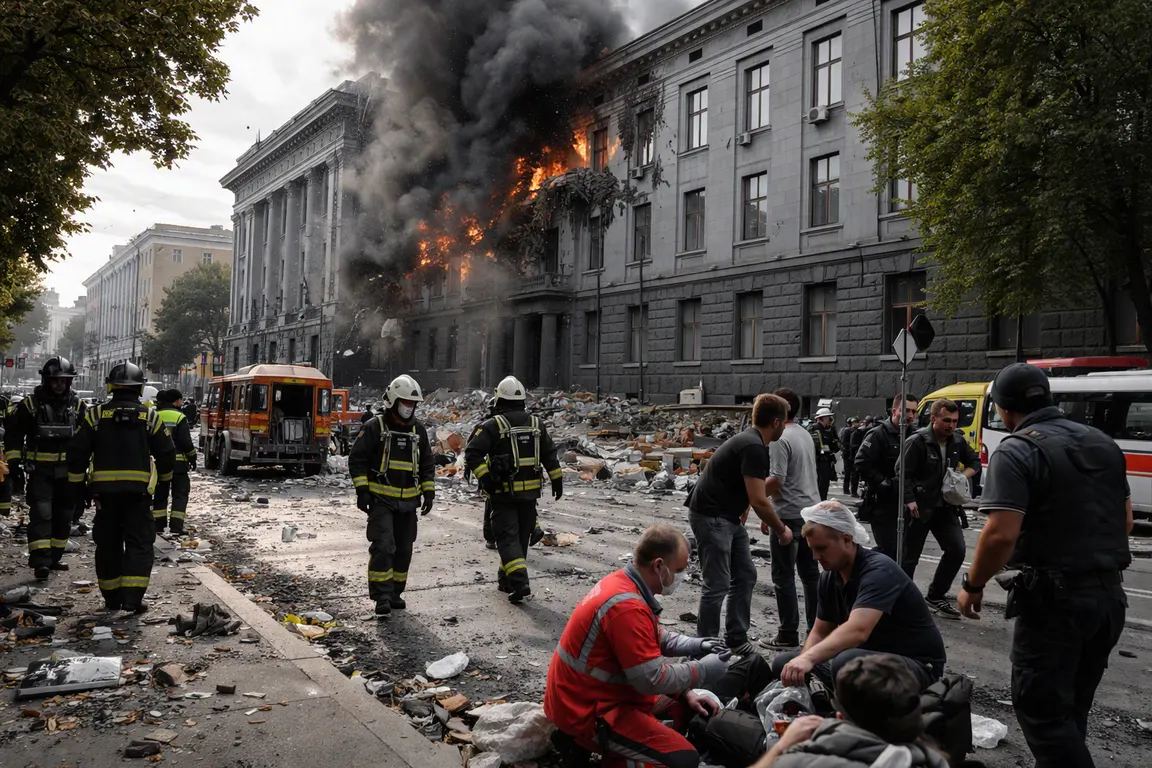
A drone strike hit the headquarters of Ukraine’s Security Service (SBU) on Volodymyrska Street in Kyiv at about 15:30 local time on Sept. 4, 2026. The attack injured 12 people, sparked a fire that lit the surrounding block and narrowly missed the office of SBU chief Oleksandr Poklad, who was unharmed.
Emergency crews arrived within minutes, extinguished the blaze and evacuated staff. The injured – a mix of SBU personnel, nearby office workers and passersby – were taken to hospitals with injuries ranging from shrapnel wounds to smoke inhalation. No fatalities were reported.
President Volodymyr Zelensky called the attack an attempted assassination and urged a “tangible” response, saying Kyiv must strike back in kind. NATO allies expressed deep concern and reiterated commitments to strengthen Ukraine’s air‑defence, including possible acceleration of pending Patriot and IRIS‑T deliveries.
The incident marks the first known direct drone strike on the SBU’s central building, a high‑security zone opposite St. Sophia Cathedral that houses the agency’s leadership and critical intelligence operations. Analysts say the ability of a low‑cost, low‑altitude drone to penetrate Kyiv’s inner‑city defenses highlights gaps in radar coverage and the challenges of protecting dense urban areas.
Ukrainian officials announced an immediate review of protective measures around other ministries, parliamentary buildings and critical infrastructure. Options under consideration include deploying short‑range air‑defence assets, expanding electronic‑warfare counter‑measures and tightening air‑space monitoring in the city centre.
The attack comes amid an intensified Russian aerial campaign that began in early August and has already caused dozens of deaths and over a hundred injuries across the country, according to local reports. While the broader toll is unrelated to the SBU strike, the incident underscores Moscow’s stated intent to target decision‑making centres.
Western officials are weighing whether the attack will speed up the delivery of additional air‑defence systems. Sources close to Ukraine’s defence procurement say an accelerated schedule for Patriot and IRIS‑T batteries could be approved in the coming weeks, which would enhance Kyiv’s ability to intercept low‑altitude threats and shape future defence‑budget allocations.
As Kyiv attends to the medical needs of the injured and works to secure its core institutions, the question of a mirrored Ukrainian response remains unresolved. Ukrainian military planners are weighing the risks of a retaliatory strike on a comparable Russian target, while diplomatic talks in Brussels later this week are expected to address the timing and scope of further air‑defence aid.
The incident highlights the vulnerability of even heavily guarded urban sites to inexpensive drone technology and may prompt a broader reassessment of Ukraine’s urban air‑defence posture as the conflict enters its ninth year.