

Drone shot down near Mecca raises Hajj security concerns
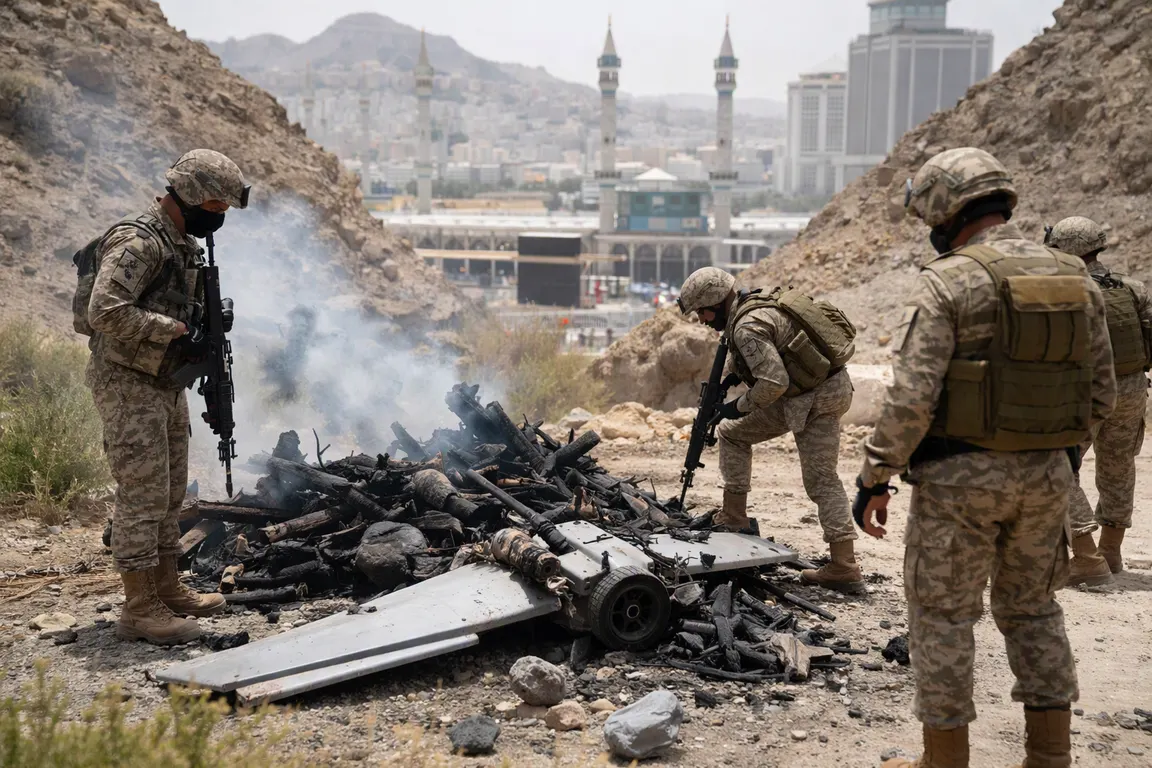
Saudi Arabia’s Joint Forces Command said it intercepted and destroyed a drone south of Mecca on Oct. 30, accusing the Iran‑backed Houthi movement of violating a red line that protects Islam’s two holiest sites. The incident comes as the kingdom prepares for the Hajj, the world’s largest religious gathering, and follows a recent surge in Houthi attacks on Red Sea shipping.
Saudi officials framed the drone as a direct threat to Mecca; the Houthi political bureau denied any intent to target the holy city, calling the claim a lie. According to the Joint Forces Command, air defenses shot down the unmanned aircraft about 30 kilometres south of Mecca. The statement said the drone was destroyed before it could reach its alleged target and described the act as a breach of the “red line” protecting the Two Holy Mosques.
The Organization of Islamic Cooperation condemned the alleged strike as a “heinous” attack on Mecca. Houthi representatives, posting on X through Hazem al‑Assad, rejected the Saudi narrative, insisting the group had not launched any drone toward Mecca and labeling the accusation false. No independent verification—such as satellite imagery or third‑party military analysis—has been released to confirm the drone’s flight path.
The episode follows a broader escalation that began in early October, when Houthi forces seized key points along Yemen’s Red Sea coast and the Bab al‑Mandab Strait, tightening pressure on a vital oil export corridor. United Nations data show that 82,000 Yemenis have been displaced since early September as fighting intensifies. Earlier in the week, missile and drone attacks from Yemen wounded 13 people in Saudi Arabia’s southern provinces, underscoring the growing reach of the rebel campaign.
For the Hajj, Saudi authorities have raised alert levels in the western region and are reviewing security protocols for the influx of millions of pilgrims expected later this month. The possibility of an attack on Mecca could prompt additional checkpoints, aerial patrols and contingency plans that may affect travel logistics and crowd management.
International reactions have been measured. Muslim‑majority states, including OIC members, have condemned any threat to Mecca while urging restraint from all parties. Western governments have called for de‑escalation but have not issued formal statements on the specific drone incident.
Energy markets have responded to the broader Houthi campaign with oil prices edging higher, reflecting investor concern over potential disruptions to Red Sea shipping lanes. The latest claim adds uncertainty that could influence future price movements if the conflict spreads closer to Saudi territory.
Saudi officials are expected to detail the security measures being implemented ahead of the Hajj and to provide any additional evidence of the drone’s trajectory. Until independent confirmation emerges, analysts will continue to assess whether the incident marks a new front in the Yemen‑Saudi conflict or remains a contested claim within an already volatile regional landscape.