

DMZ Mine Explosion Injures South Korean Soldiers
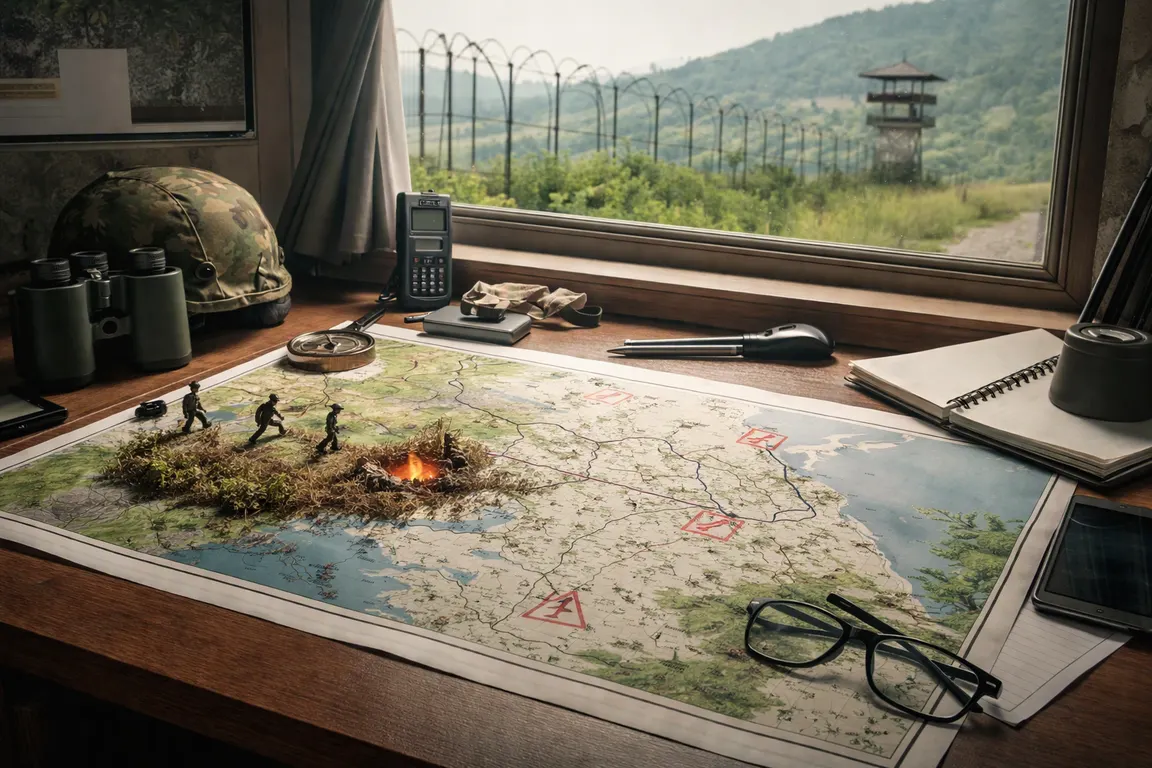
Three South Korean soldiers were injured on Sept. 21 when a DMZ mine explosion detonated south of the Korean Demilitarized Zone during a routine search operation. The blast caused shrapnel wounds, prompting an urgent evacuation to a field hospital and reigniting tensions between Seoul and Pyongyang.
Seoul’s Joint Chiefs of Staff demanded a formal apology from the North, citing the 1953 armistice’s de‑mining provisions. North Korean spokesman Kim Yo‑jong denied any involvement, claiming the mine was not laid by Pyongyang and accusing South Korea of staging a “conspiracy” to tarnish the North’s image.
Both sides have offered competing narratives, but no independent investigation has yet confirmed the mine’s origin. South Korean officials point to the blast’s proximity to the border and a history of North‑laid mines, while Pyongyang insists the allegation is unfounded and suggests Seoul is using the incident to justify a tougher border posture.
The incident underscores the persistent danger of unexploded ordnance in the DMZ, a 250‑kilometre strip still littered with mines from the Korean War and later skirmishes. Soldiers conducting patrols and civilians in nearby villages face ongoing risk, and the September blast highlights how difficult it is to clear the zone completely.
Diplomatically, the episode could stall recent confidence‑building measures, including limited military hot‑line exchanges and joint economic projects near the border. Seoul’s demand for an apology signals a willingness to hold the North accountable, but it also risks hardening Pyongyang’s stance if perceived as punitive. Conversely, Pyongyang’s denial and accusation of a South‑driven plot may be aimed at deflecting responsibility while preserving its strategic leverage.
Under the armistice, both Koreas are expected to cooperate on de‑mining and investigate accidents in the DMZ. It remains unclear whether the joint investigation mechanisms will be activated or how transparent any findings will be. Observers note the lack of an independent fact‑finding body hampers confidence in either side’s claims.
The next step will likely be a joint inspection team, should both governments agree to convene one. Until such verification occurs, the mine’s origin will stay contested, leaving border safety and diplomatic trust unresolved.
The incident serves as a stark reminder that, despite recent diplomatic overtures, the DMZ remains one of the world’s most hazardous frontiers, and any escalation over unexploded ordnance could have broader implications for regional stability.