

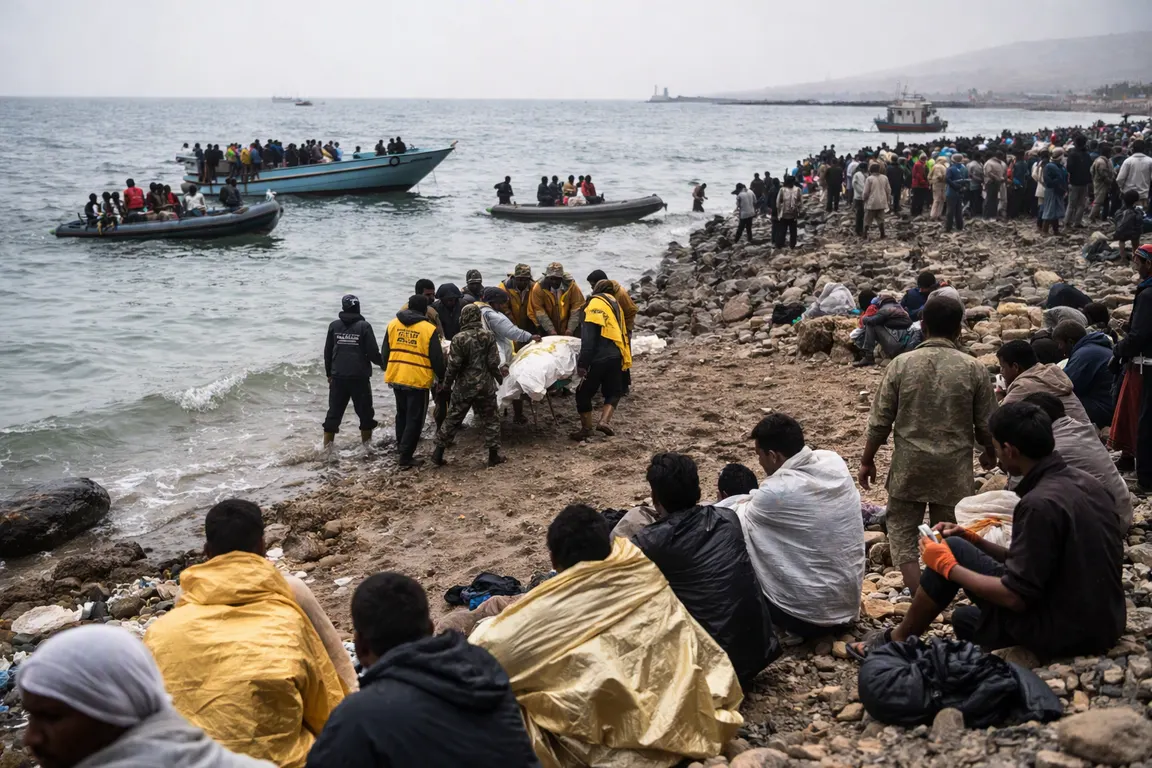
An overloaded Djibouti migrant boat capsizing near the port of Obock on Thursday night left at least 139 people dead and dozens more missing.
The vessel departed Djibouti shortly after sunset, bound for the Yemeni coast. Sources differ on the passenger count – the BBC cited 305, while The Independent estimated about 350 – but all agree the boat was severely overloaded, a factor that likely caused it to overturn.
Djiboutian coast guard units, helicopters and divers were dispatched within minutes. By Friday, the BBC and Al Jazeera confirmed 139 fatalities; The Independent reported 109. Al Jazeera added that 84 people remain missing, underscoring the scale of the tragedy.
Children were among those confirmed dead, a fact reported by all three outlets. Survivors have been taken to local hospitals and temporary shelters, while families of the missing grapple with profound loss.
Humanitarian NGOs have begun to mobilise assistance, but officials say the response is hampered by limited resources and the remote location of the incident.
The disaster highlights the chronic safety risks of the Djibouti‑Yemen crossing, a route that has become a lifeline for migrants seeking work or asylum in the Gulf. Vessels are often small, unseaworthy and overloaded, with little oversight or safety equipment.
Regional authorities have struggled to match the volume of departures with adequate search‑and‑rescue capacity. The United Nations has urged Djibouti and neighboring states to strengthen maritime safety protocols and develop joint rescue frameworks.
Experts say regulating departure points, improving vessel inspections and offering safe alternatives could reduce the incentive for dangerous journeys. However, they caution that without addressing the underlying drivers of migration – conflict, poverty and the lack of legal pathways – such measures may have limited impact.
Djiboutian officials said rescue operations will continue for at least another 48 hours while they assess the need for additional international support. The search for the missing remains ongoing.
The capsizing adds to a growing pattern of deadly sea crossings in the Horn of Africa, where migrants routinely risk their lives on overcrowded boats across the Red Sea corridor to Yemen. The tragedy forces policymakers, humanitarian actors and the public to confront the human cost of a migration route that is both essential and perilous.