

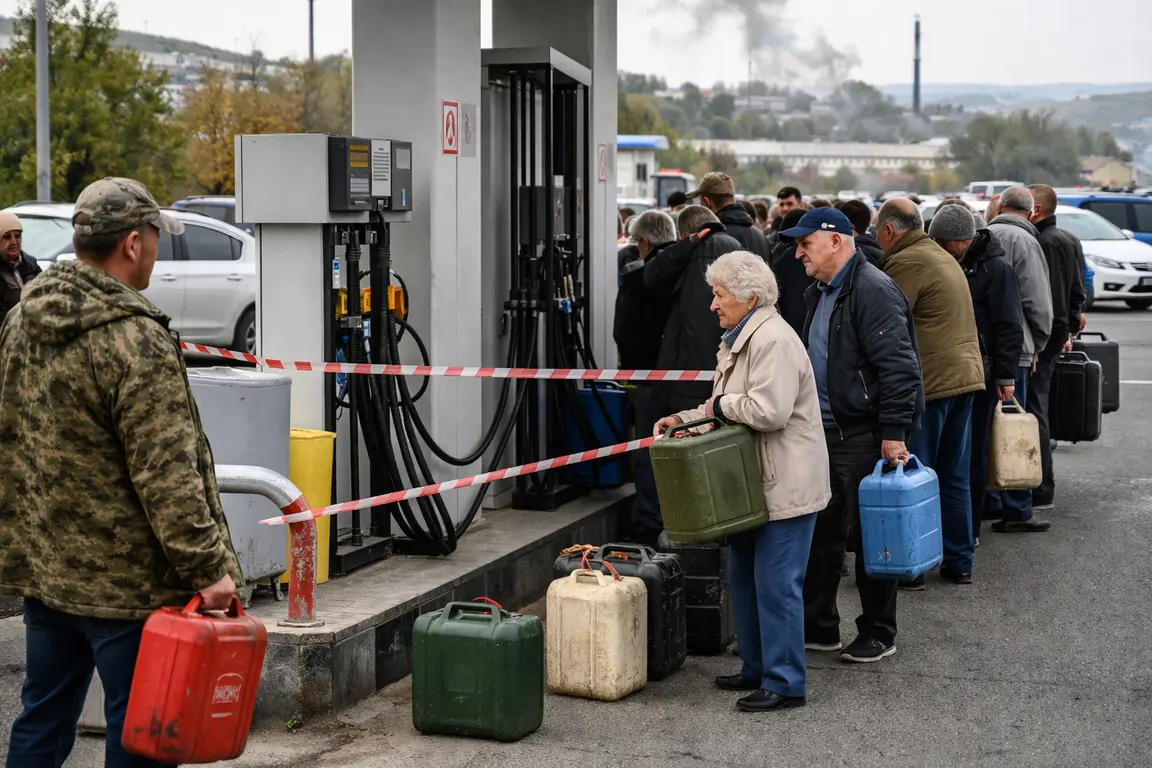
Ukrainian strikes on fuel supplies in Crimea have prompted Russian-held authorities to suspend civilian gasoline sales, exacerbating the region's energy crisis. The move is a significant development in the ongoing conflict between Ukraine and Russia, highlighting Ukraine's ability to target Russia's energy infrastructure and disrupt the daily lives of civilians in the occupied territory.
Ukrainian attacks have targeted fuel supplies in Crimea, including an oil depot and an oil transport facility in Russia's Krasnodar region. According to Crimea's Moscow-installed leader, Sergey Aksyonov, four people were killed and 28 others were wounded in overnight Ukrainian strikes.
The suspension of gasoline sales in Crimea means that fuel is now only being sold to government agencies. The Crimean peninsula has experienced periodic fuel shortages due to Ukrainian strikes, but the current crisis is the worst since its annexation by Russia in 2014. Prior to the suspension, authorities had restricted gas sales to 20 liters per vehicle owner per week, using prepaid coupons.
Some motorists are using the Kerch bridge to bring gas from Krasnodar and elsewhere, but they are restricted to carrying 100 liters per vehicle. The suspension of gasoline sales is affecting civilians in Crimea, including motorists who are struggling to find fuel, and tourists who are trapped in the area.
As the conflict between Ukraine and Russia continues to escalate, some speculators are taking advantage of the crisis by selling gas at double the market price. The implications of the suspension of gasoline sales in Crimea for the region's economy and civilians remain uncertain, with many wondering what the next step will be in this deepening energy crisis. Russia's full-scale invasion of Ukraine has now surpassed the duration of World War I, with no end in sight to the conflict.