

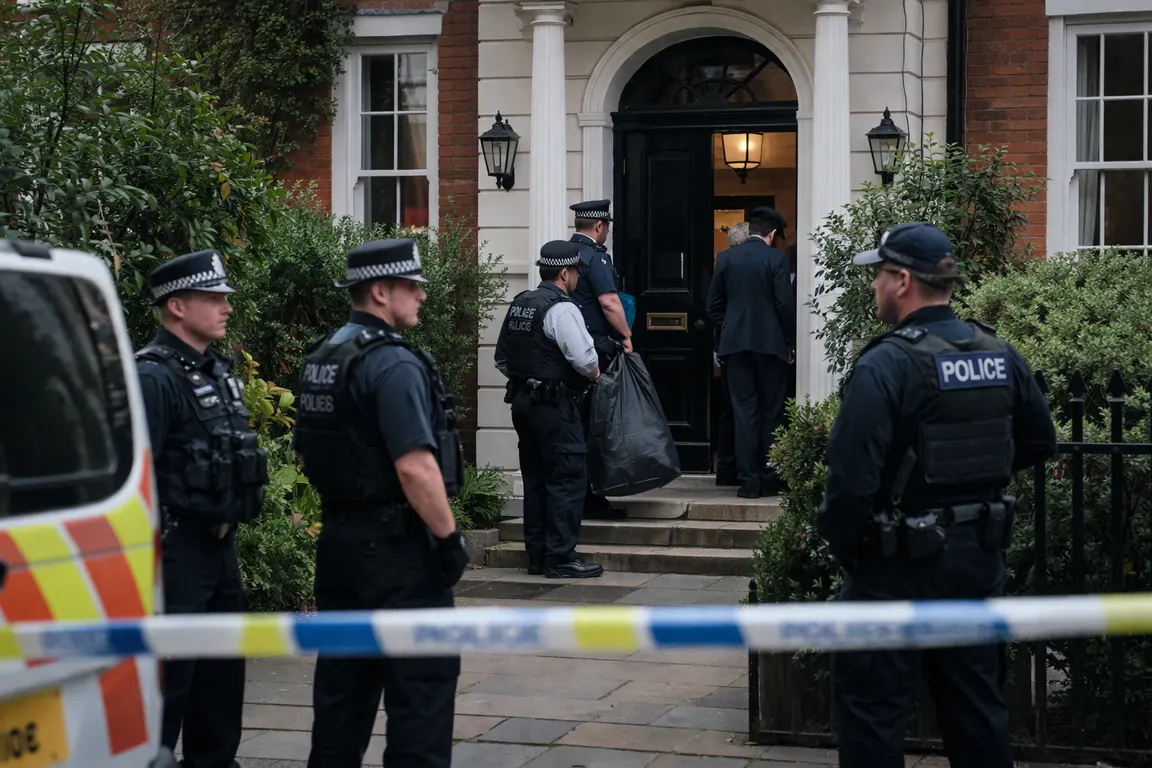
A private hearing in London this week will decide whether the police search warrants used by Thames Valley Police to raid the home of Andrew Mountbatten‑Windsor were lawful. The judge’s ruling could reshape how police across the United Kingdom obtain and execute warrants, with implications for privacy safeguards, police resources and public confidence in law‑enforcement oversight.
Mountbatten‑Windsor was arrested in February on suspicion of misconduct in public office linked to his alleged connections with the late financier Jeffrey Epstein. After the arrest, police obtained and executed search warrants on his residence. The former prince has filed a judicial review seeking to quash those warrants, arguing they were issued without proper legal basis.
If the court finds the warrants unlawful, police forces may have to tighten the evidential thresholds and procedural safeguards required before a warrant can be issued. That could slow evidence‑gathering in ongoing investigations but would strengthen protections for homes and possessions. An upholding of the warrants would reaffirm the current scope of police authority, signalling that existing safeguards are sufficient even in high‑profile cases.
Mountbatten‑Windsor’s legal team has not disclosed the full arguments, but the challenge centers on alleged deficiencies in the warrant‑application process. Sources say the claim is that police failed to demonstrate reasonable suspicion that evidence would be found, or did not adequately justify the intrusion into private property. The BBC emphasizes the procedural nature of the review, while other outlets note the broader context of Epstein‑related allegations.
Legal scholars note that judicial reviews of warrants are rare and outcomes often hinge on the balance between investigative necessity and civil liberties. A ruling that narrows the permissible scope of warrants could compel police to file more detailed affidavits, involve senior officers earlier and allocate additional resources for legal compliance. Critics warn that stricter standards might hinder swift action in complex fraud or national‑security investigations.
Beyond the parties involved, the decision could affect taxpayers. Appeals, policy revisions and training programmes triggered by a landmark ruling would incur costs that fall on the public purse. Public trust in law‑enforcement accountability may rise if the judiciary curbs unchecked authority, or fall if the decision is seen as allowing excessive police intrusion.
The hearing will be conducted in private, limiting public access to the arguments and evidence. Observers will watch for how the judge interprets the statutory framework governing warrants, particularly the Police and Criminal Evidence Act. The outcome will likely be reported in subsequent open‑court sessions, but the immediate impact will be felt by police departments reviewing their warrant protocols.
The central question remains: will the court prioritize procedural rigor over investigative expediency, and how will that balance shape the future conduct of UK policing? The judge’s decision, expected in the coming weeks, will set the tone for the relationship between law‑enforcement powers and individual rights in the United Kingdom.