

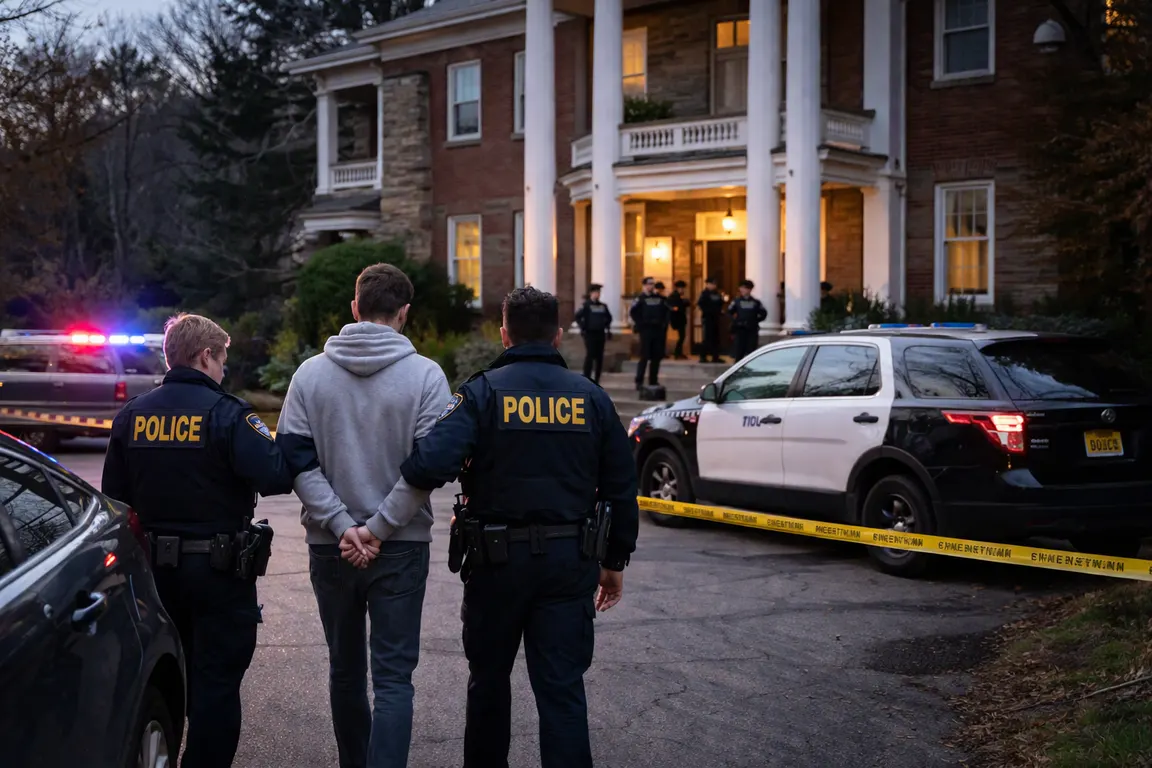
Police arrested two fraternity members on drug‑related charges at a Cornell University house on the evening of March 14, 2024, just over 22 hours before a former student reported being drugged and gang‑raped in the same residence. The Cornell fraternity drug arrest has become a focal point of a broader inquiry that now includes the university’s handling of sexual‑assault complaints.
Cornell President Michael Kotlikoff called the case “deeply disturbing” and pledged greater transparency, prompting calls for a review of campus safety protocols. Stakeholders ranging from current students to prospective donors are watching to see whether the school will adopt new policies or merely reaffirm existing procedures.
According to the police report, officers seized a small amount of controlled substances and took the two men into custody on March 14. The same house was later identified by the alleged victim as the site of a drug‑facilitated assault that occurred in 2024. The victim reported the crime to campus authorities, triggering an internal review that has remained largely confidential.
NBC News released video of a confrontation between reporters and one of the accused men, underscoring the heightened media attention. The footage has not revealed new evidence about the assault itself, and law‑enforcement officials have stressed that the drug arrest and the alleged rape are being investigated as separate incidents pending further inquiry.
Cornell’s administration announced plans to increase transparency, including a public report on the case and a review of its Title IX procedures. The Office of Institutional Equity is consulting external experts on best practices for responding to sexual‑assault claims. Critics note that the university has not yet disclosed whether it will impose stricter oversight of fraternity housing or expand training on consent and substance use.
Unanswered questions remain. Police have not indicated whether the seized drugs match those alleged to have been used in the assault. The university has not set a timeline for its forthcoming report, nor clarified how it will address potential gaps in coordination between campus security and local law‑enforcement. Students and faculty have organized petitions demanding clearer communication and stronger preventive measures.
As investigations continue, Cornell faces pressure to demonstrate that its response goes beyond statements of regret. The next steps are expected to include a formal findings report from the Title IX office and possible recommendations for policy revisions. How quickly, and to what extent, those recommendations are adopted will be closely watched by the campus community and by observers of higher‑education policy nationwide.