

Columbia ICE Raid Lawsuit Raises Campus Immigration Issue
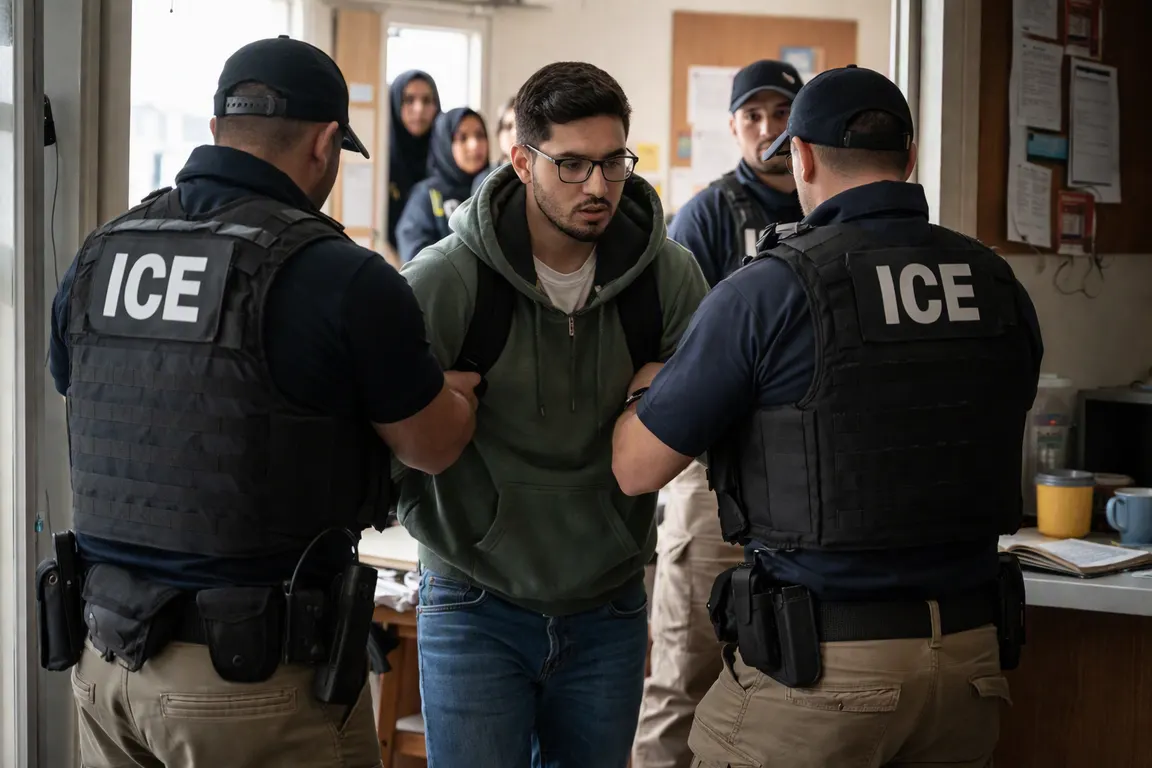
When federal agents entered a Columbia University apartment on March 15, 2025, and detained graduate student Mahmoud Khalil, the incident sparked a lawsuit that could reshape how U.S. campuses protect immigrant scholars. The filing, known as the Columbia ICE raid lawsuit, alleges deliberate indifference to anti‑Palestinian harassment and retaliation for pro‑Palestinian activism.
Khalil, a U.S. green‑card holder of Palestinian descent studying at the School of International and Public Affairs, filed the complaint in early September 2025 against Columbia and a senior dean. He claims the university ignored repeated coordinated harassment targeting pro‑Palestinian students, failed to intervene after the raid, and later limited his research funding and campus access.
The complaint outlines three core allegations. First, Columbia allegedly ignored threatening messages and physical intimidation reported by students. Second, the university’s inaction, Khalil argues, created conditions that allowed ICE agents to locate his Columbia‑affiliated apartment and conduct the March raid. Third, after his release—ordered by a New Jersey federal judge after 104 days in a Louisiana detention center—Columbia took steps that effectively punished him.
Khalil’s detention caused him to miss the birth of his first child, underscoring the personal toll of the case. The raid was part of a broader initiative that began under the Trump administration to target foreign nationals involved in pro‑Palestinian advocacy, a program critics say has persisted under subsequent administrations.
Legal experts note the suit taps into a growing body of campus‑free‑speech litigation. Similar cases at other institutions have prompted policy reviews of harassment‑reporting mechanisms and support for immigrant scholars, though outcomes have varied. If Khalil’s claims are upheld, Columbia could face pressure to revise its protocols for responding to harassment complaints and to strengthen protections for students facing immigration enforcement.
The lawsuit also raises questions about a university’s responsibility for actions taken by federal agencies. While Columbia does not control ICE operations, the complaint argues that the university’s alleged negligence created conditions that facilitated the raid, testing the legal boundaries of institutional liability for external law‑enforcement actions tied to campus activism.
Columbia has not publicly responded, and no official statements have been documented to date. The university is expected to launch an internal investigation and may issue a public comment as the case proceeds. Other colleges that host immigrant and politically active student bodies will be watching closely to see whether Columbia adopts new reporting standards, expands legal assistance for detained students, or otherwise adjusts its approach to campus safety and free expression.
The outcome could set a precedent for how higher‑education institutions balance federal immigration enforcement with the duty to protect vulnerable student populations. Until a court renders a decision, the suit remains a pivotal test of campus policy, legal accountability and the broader debate over the rights of immigrant scholars engaged in political advocacy.