

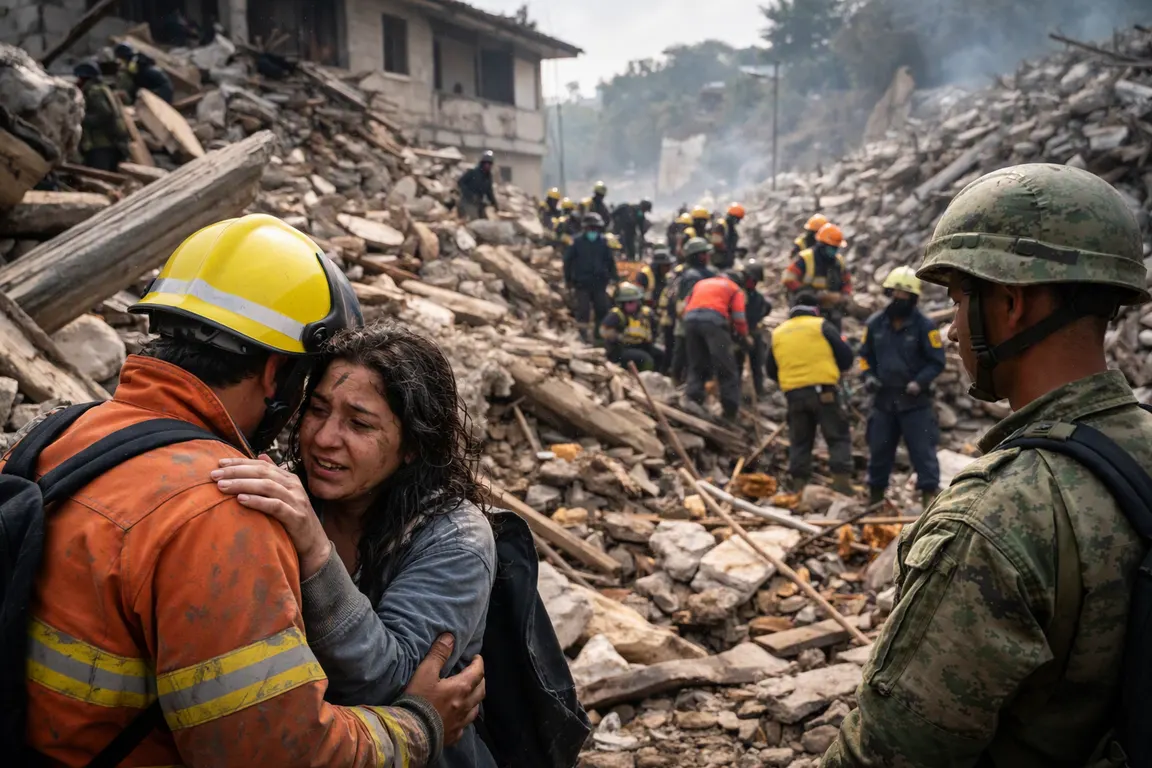
A 7.4-magnitude Colombia earthquake struck western Colombia, resulting in significant loss of life and widespread destruction. The quake has left at least 169 people dead, with hundreds more feared missing, and entire neighborhoods reduced to rubble. As the full extent of the devastation becomes clear, local authorities have declared a state of emergency.
The use of dogs and drones in search and rescue efforts has been instrumental in locating those trapped under collapsed buildings. With many people still feared trapped, the current status of the rescue efforts is a major concern, and the chances of survival for those missing are uncertain. International teams are standing by to offer support, but the utilization of this support is yet to be determined.
The earthquake has affected major cities, including Cali, with a significant impact on local communities and infrastructure. As rescue teams scour the rubble for survivors, the focus remains on locating those still missing and providing aid to affected areas. The coming days will be crucial in determining the full extent of the damage and the effectiveness of the rescue efforts.
The United Nations has offered international assistance if requested by Colombia. The country's infrastructure, including roads and buildings, has been severely damaged, posing a significant challenge to rescue efforts. The Colombian government has mobilized its emergency services to respond to the disaster, with a focus on search and rescue operations, as well as providing aid to those affected.
The international community is waiting to see how it can best support Colombia in its time of need. The death toll is expected to rise as rescue efforts continue, and the full extent of the damage becomes clear. For now, the focus remains on locating those still missing and providing aid to affected areas.