

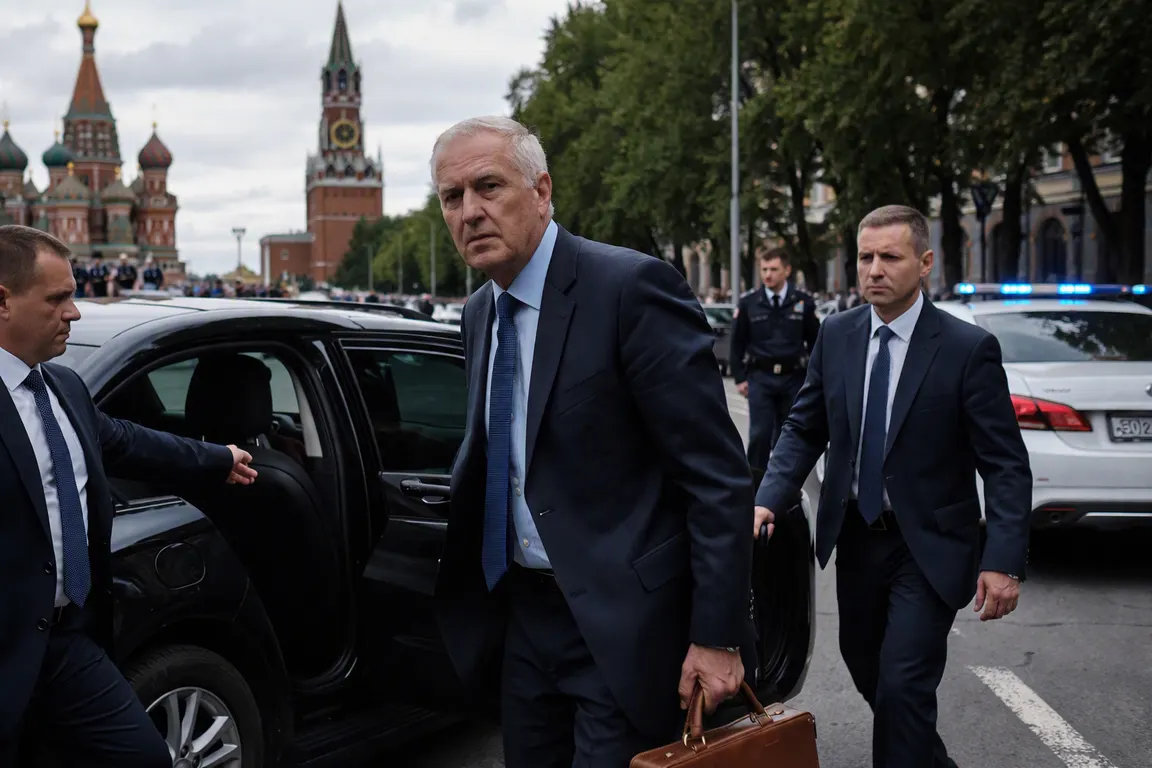
A senior CIA official made an unannounced CIA Moscow visit as Ukrainian forces launched artillery and drone attacks that reached the outskirts of the Russian capital. The coincidence has revived speculation about a back‑channel between Washington and Moscow aimed at containing the risk of a broader conflict.
The timing matters because it occurs amid a surge in deep‑strike operations by Ukraine, which have hit targets far beyond the front line, including sites in the Moscow region. Diplomatic contacts between the United States and Russia have been sparse, and both the Kremlin and the CIA have declined to comment on the purpose of the trip.
Ukrainian officials say the recent strikes were aimed at logistical hubs and air‑defence assets, but the attacks have raised concerns about civilian safety in the capital’s suburbs. According to reports from Al Jazeera, U.S. officials warned Kyiv to pause further strikes until the CIA delegation left Moscow, suggesting at least informal coordination. The Independent described the visit as a “mystery,” noting the lack of an official explanation from either side.
There is disagreement over the identity of the visitor. Some outlets name the current CIA director, William J. Burns; others cite former director John Ratcliffe. The uncertainty underscores the limited information available and the secrecy that typically surrounds senior intelligence trips to Russia.
Analysts note three possible motives for the silence. First, keeping any diplomatic overtures off the public record gives both governments flexibility in a volatile security environment. Second, the reported U.S. warning to Ukraine may be an effort to limit escalation while Kyiv continues deep‑strike operations. Third, the overlap of the visit with attacks near Moscow could be a signal to Russian officials that Washington is aware of the situation, or a reminder to Kyiv that certain thresholds should not be crossed.
No policy changes, official statements or operational directives have been announced since the visit. Energy markets showed only modest volatility, and defense‑sector stocks were largely unchanged, indicating a limited immediate economic impact.
The next observable development will be whether Ukrainian forces adjust their targeting after the alleged U.S. warning, and whether either side offers clarification in the coming days. Until an official narrative emerges, observers will monitor the interplay of intelligence visits, military actions and diplomatic signaling for signs of de‑escalation or further escalation in the region.