

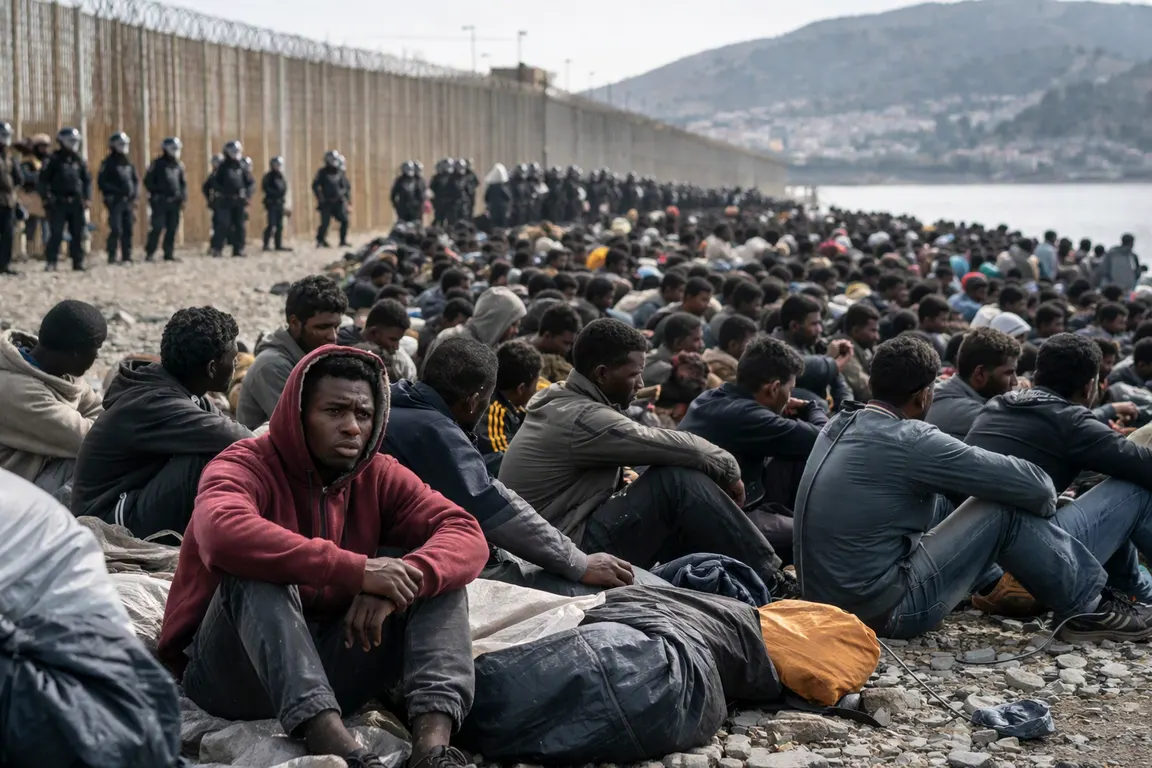
An estimated 60,000 migrants entered the Spanish enclave of Ceuta, prompting a humanitarian and political crisis known as the Ceuta Migrant Crisis. The sudden influx has significant implications for public safety, EU policies, and international relations. The crisis led to an emergency EU meeting, with tensions between Spain and other EU states over handling the situation.
Spain reports that nearly all of the migrants have left, but the death toll related to the crisis has risen. The incident has sparked a global debate on migration, affecting thousands of individuals, the local community in Ceuta, and the broader Spanish population. The EU's response to the crisis has been a subject of controversy, with some states disagreeing on how to handle the migrant influx.
The crisis began with the sudden influx of migrants into Ceuta, followed by Spain's efforts to manage the situation. An emergency EU meeting was convened to discuss the issue, highlighting the need for international cooperation on border control. The humanitarian and economic consequences of this event for the affected communities and the broader region are still unclear.
The EU will need to take concrete steps to address the crisis and prevent similar incidents in the future. This may involve re-evaluating its migration policies and improving international cooperation on border control. As the situation in Ceuta continues to unfold, the EU's response will be closely watched, with potential implications for the bloc's migration policies and economy.
The international community is awaiting the EU's next steps in addressing the crisis. With the situation in Ceuta still developing, one key question emerges: how will this event shape the EU's migration policies and international cooperation on border control? The answer will have significant implications for the thousands of individuals involved, as well as the broader region.