

BRICS Summit in New Delhi Fails to Reach Iran Consensus
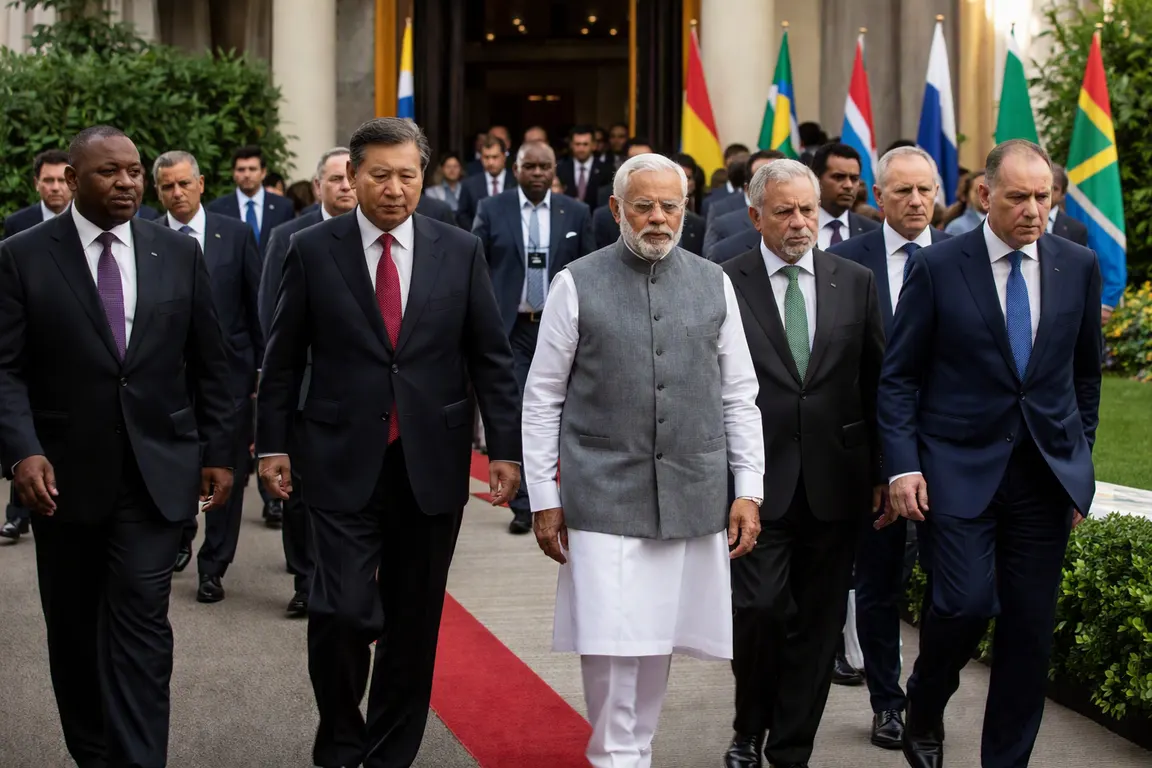
Leaders of the 11‑nation BRICS bloc left New Delhi on the final day of the 2026 summit without a unified statement on the war in Iran, exposing deep divisions that call the group's diplomatic clout into question.
The bloc, which markets itself as a counterweight to Western‑led institutions, failed to agree on language condemning the United States and Israel over the fighting in Iran. Russia and Saudi Arabia pushed for a strong denunciation of what they called external aggression, while India, China and the United Arab Emirates favored neutral wording to preserve diplomatic flexibility.
The summit brought together Brazil, Russia, India, China, South Africa, Argentina, Egypt, Ethiopia, Saudi Arabia, the United Arab Emirates and prospective member Iran. Over three days, officials debated not only the Iran conflict but also the war in Ukraine and broader US‑Israel‑Iran tensions. By the closing session, the final communiqué deliberately omitted any criticism of the United States or Israel, reflecting the split among members.
Analysts cited by Al Jazeera say the episode highlights BRICS's difficulty turning its combined economic weight into geopolitical influence. The BBC notes that while members agree on the need for a new global order, they have yet to define what would replace the existing system, and the summit produced no concrete policy shifts or binding resolutions on Iran.
The lack of consensus has immediate economic implications. India, Brazil and Saudi Arabia rely on BRICS‑led financing mechanisms for infrastructure projects; a fragmented stance on sanctions or diplomatic initiatives could reshape trade patterns and affect capital flows. Emerging‑market indices have already shown heightened volatility as investors weigh the bloc's ability to present a collective response to future crises.
For citizens of Iran and Ukraine, the stalled diplomatic avenue means any potential mediation or economic relief that might have emerged from a unified BRICS position remains out of reach.
Looking ahead, the summit's outcomes will feed into ongoing trade negotiations among members and shape the next round of the New Development Bank's lending agenda. Observers will watch whether the bloc can bridge its divisions before the 2027 summit, when further expansion and the formal admission of Iran are on the agenda. Until then, the New Delhi meeting serves as a reminder that aspirations for a coordinated new global order remain contested within BRICS.