

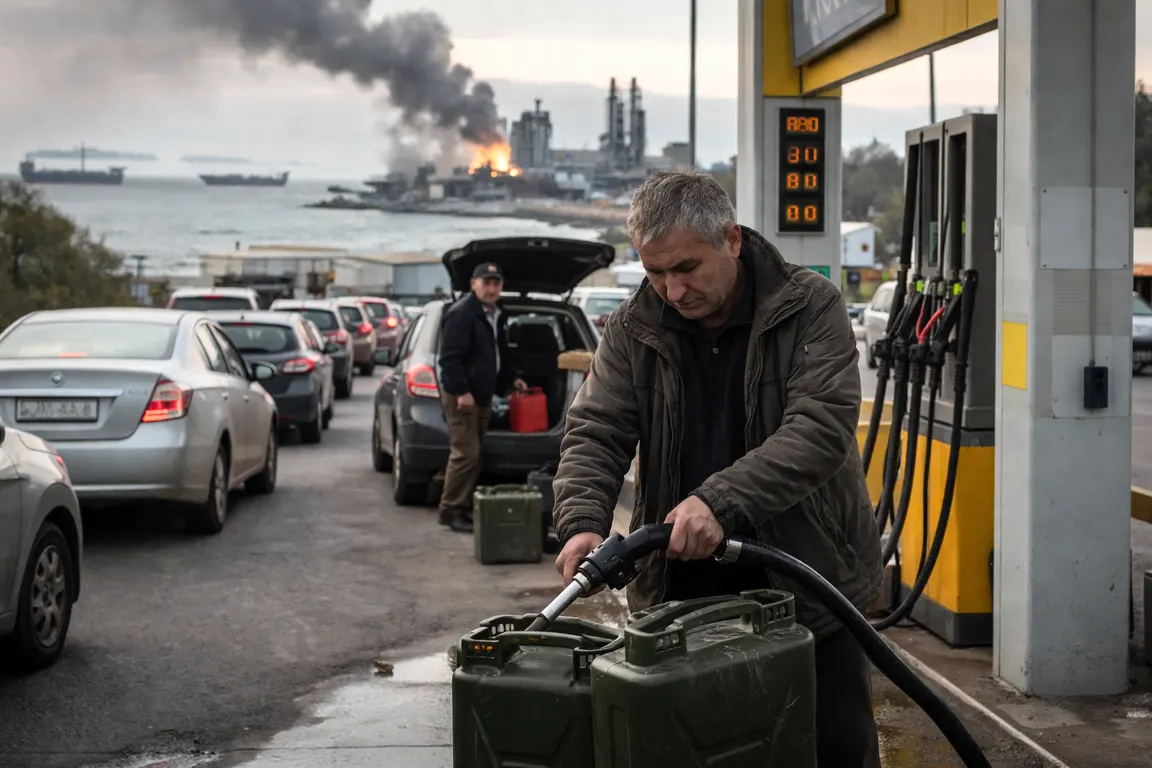
Ukraine's drone attacks on Russian oil refineries and pipelines have led to a surge in fuel shortages and disruptions to global oil markets, particularly in the Black Sea Oil region. The ongoing conflict has significant implications for regional stability and the global economy.
Russia's fuel crisis has started to ease as some refineries have restarted operations, but the situation remains precarious. Kazakhstan has resumed crude exports through the Caspian Pipeline Consortium after a week-long suspension, providing some relief to the global oil market.
The conflict has resulted in a significant increase in drone attacks on Russian and Ukrainian infrastructure, causing uncertainty and instability in the region. The US has been supporting Ukraine in its efforts to target Russian energy infrastructure and maritime shipping.
The potential long-term consequences of the conflict for the global oil market are significant, with potential disruptions to supply chains and increased prices for consumers. The escalation of the conflict also poses significant risks to regional stability, with the potential for further escalation and involvement of other nations.
As the conflict continues to unfold, the international community will be watching closely to see how the situation develops and what measures will be taken to mitigate the risks to global oil supplies and regional stability.