

Black Sea drone attacks prompt NATO counter‑drone push
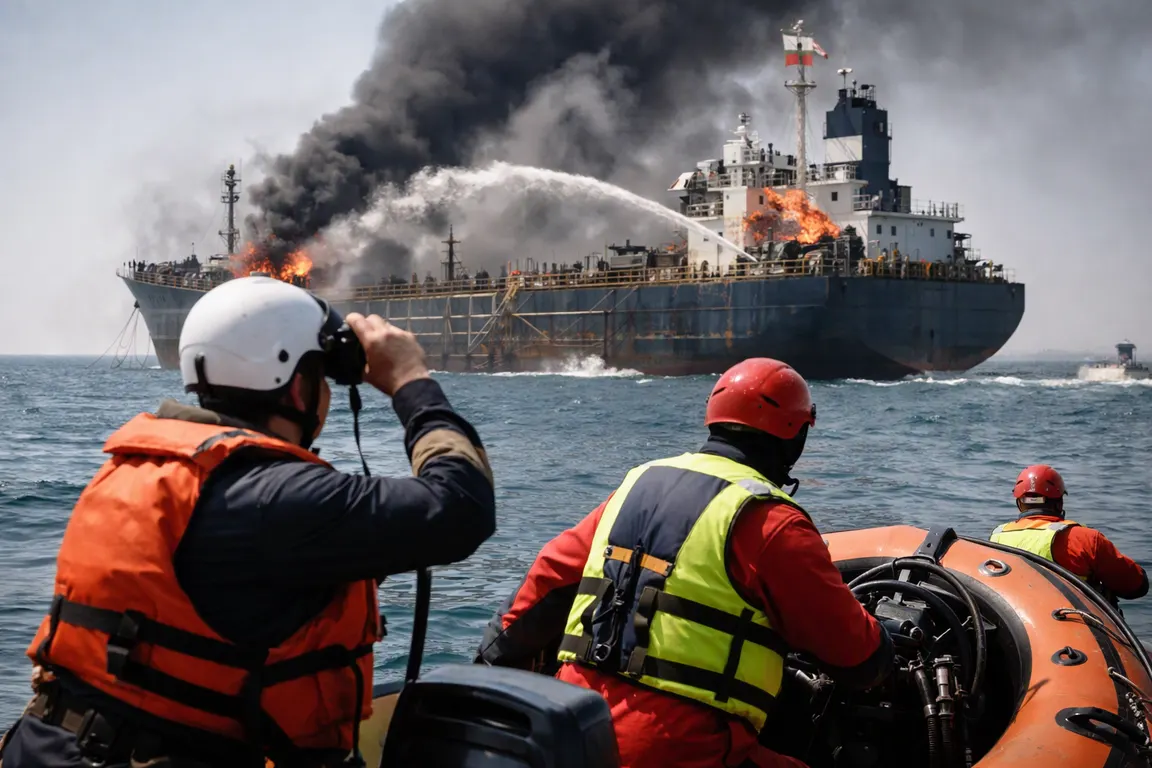
On Oct. 12 a drone struck the San Marino‑flagged chemical tanker Wine Trader about 13 nautical miles southeast of Sulina, igniting a fire that forced the rescue of five crew members while seven remain missing. The incident follows a string of unmanned‑aircraft attacks that have turned a key commercial corridor off Romania’s coast into a NATO security flashpoint.
The attacks expose a rapid escalation of aerial threats in the airspace of a NATO member, jeopardising crew safety, disrupting chemical and other cargo flows, and prompting the alliance to reconsider its maritime defence posture. NATO officials have linked the drones to Russia, and both Romanian and alliance leaders have signalled plans to boost counter‑drone capabilities.
The pattern began on Oct. 5 when a Turkish‑owned corn carrier was hit by a drone off Romania, caught fire and sank, killing two crew members and rescuing eleven. Two days later, on Oct. 9, Bulgaria reported drone strikes on two vessels in its exclusive economic zone, leaving eleven crew members missing from the bulk carrier HS Dignity. On Oct. 10 the Comoros‑flagged tanker Yara J was struck in Romanian waters; its crew reported no injuries, though the vessel later suffered a fire. The next day, Romanian acting defence minister Radu Miruță confirmed a brief drone incursion over Romanian airspace at 1:34 a.m. on Oct. 12.
Romanian President Nicolae Dan called the attacks “unacceptable” and warned of a state response. NATO Secretary‑General Jens Stoltenberg met with Romanian and Bulgarian leaders on Oct. 12 to discuss Black Sea security and announced an enhanced counter‑drone posture for the alliance. A NATO military source told Reuters that the drones that hit the two chemical tankers originated from Russian territory, a claim echoed by The Guardian. Other outlets, such as the Manila Times, cited “unspecified” sources, and the Romanian president has not publicly disclosed the drones’ provenance, highlighting a gap between official statements and intelligence reports.
The human cost is immediate. Seven crew members from the Wine Trader remain unaccounted for, and several survivors suffered scalp burns and smoke‑inhalation injuries. The earlier Turkish‑owned ship loss added two fatalities to the tally. Commercially, the attacks have disrupted chemical cargo routes linking Tunisia, Turkey and Romania, prompting insurers to raise premiums and some operators to consider rerouting vessels away from the Black Sea’s most vulnerable segments.
Strategically, the strikes force NATO to weigh redeploying assets and investing in dedicated counter‑drone systems for the region, a shift that could reshape defence budgets across member states. The alliance’s response will test its ability to protect maritime trade lanes that are critical not only for regional economies but also for broader European energy and industrial supply chains.
As NATO leaders deliberate, the next step will likely be the deployment of additional surveillance and electronic‑countermeasure assets to the Romanian and Bulgarian coasts. Until the missing crew are located and the source of the drones is conclusively verified, the Black Sea’s commercial artery will remain under heightened threat, underscoring the fragile security balance on Europe’s eastern flank.