

Bangkok and Myanmar floods test regional disaster response
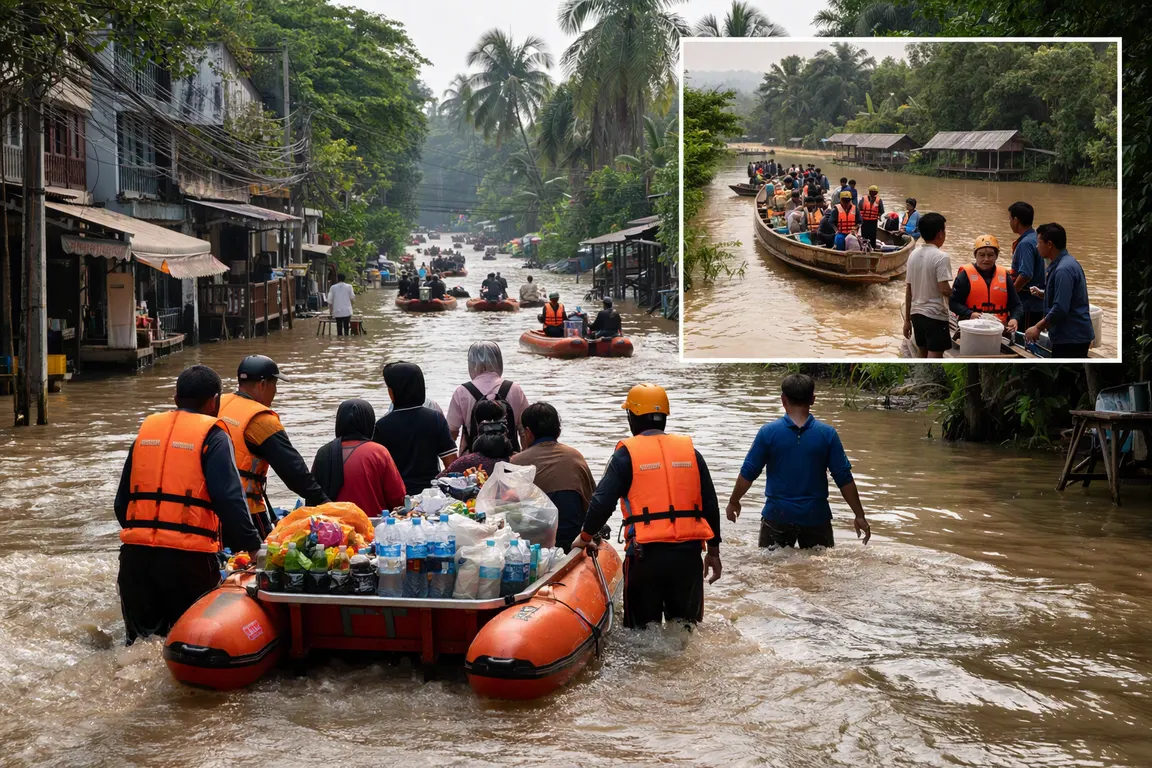
Thailand declared a city‑wide disaster in Bangkok Saturday after two days of relentless rain swamped canals and streets, while Myanmar’s conflict‑hit Tanintharyi region faces rising floodwaters from the same low‑pressure system. The Bangkok Myanmar floods have affected more than 500,000 households – about 1.7 million people – across 27 provinces, with 52,000 households directly hit in the capital. Roughly 4,900 residents have been moved to temporary shelters, schools are closed and many workers have been told to stay home.
Bangkok recorded 213.5 mm of rain in a 24‑hour period near Prachin Buri, the storm’s heaviest burst. In Tanintharyi, officials say 7‑10 people are feared dead and 20‑30 missing, while hundreds seek refuge in monastery shelters. Flood‑damaged roads have left several townships reachable only on foot, hampering aid delivery.
The storm entered the Gulf of Thailand early Thursday, September 19, intensified Friday and Saturday, and shifted northwest on Sunday, easing the downpour over Bangkok. Thailand’s Department of Disaster Prevention and Mitigation confirmed eight deaths in eastern provinces – Sa Kaeo, Chanthaburi and Saraburi – since September 16; none have been recorded in Bangkok itself, though AFP footage shows thigh‑high water in several neighborhoods.
In Myanmar, the same disturbance turned Tanintharyi’s hills into a mud‑smeared nightmare. Local officials, operating amid armed conflict, say access to the hardest‑hit townships is limited to foot travel, and humanitarian groups are scrambling to deliver food, clean water and medical supplies. Casualty figures remain preliminary and unverified.
Thai authorities have deployed the military to assist evacuations, reinforced levees along key waterways and issued advisories to avoid low‑lying areas. In Myanmar, military and civilian rescue teams are using boats and makeshift rafts to reach isolated villages, while international NGOs coordinate with local partners to set up additional shelters.
Data gaps complicate response. The Manila Times reported 52,000 Bangkok households affected, but regional estimates vary, highlighting the need for more reliable collection methods.
Thailand’s disaster agency has offered water‑pumping equipment to Myanmar, but security concerns in Tanintharyi slow assistance. ASEAN’s Coordinating Centre for Humanitarian Assistance is monitoring the situation, though no joint operational plan has been announced.
Long‑term, Bangkok officials are discussing upgrades to the city’s drainage network, including larger culverts and flood‑gate installations, and the cabinet is reviewing land‑use policies that have encouraged development in flood‑prone zones. In Myanmar, humanitarian actors are urging the government and armed groups to negotiate safe corridors for relief workers, a step that could improve future responses in conflict‑affected areas.
For now, the priority remains protecting those still in shelters and restoring basic services. Whether the emergency actions translate into lasting infrastructure and policy reforms will determine how vulnerable communities fare when the next heavy rain arrives.