

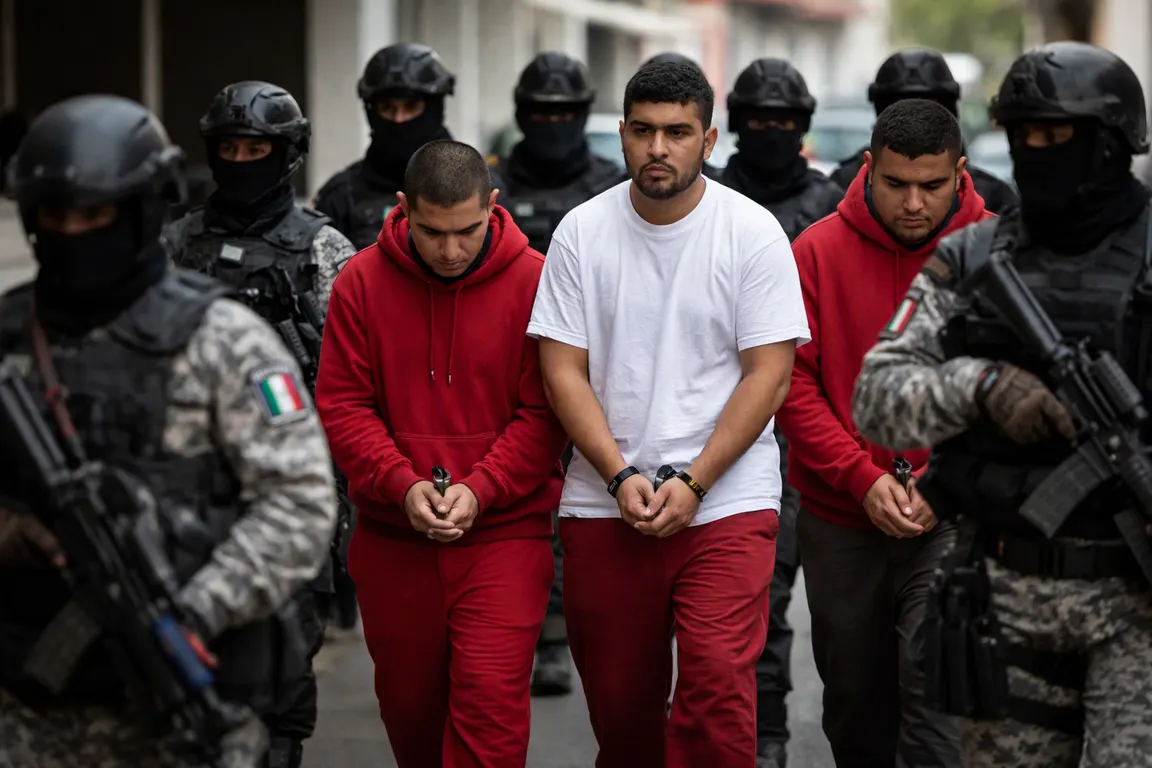
A Mexican court on Tuesday sentenced three men to 158 years and nine months each for the 2024 killings tied to the Baja California tourist murders of Australian brothers Jake and Callum Robinson and American surfer Carter Rhoad while they were surfing off the coast.
The defendants were convicted of homicide, aggravated robbery, robbery with violence and vehicle theft with violence. Prosecutors said the attackers confronted the surfers, stole their vehicle and, when the victims resisted, opened fire, killing all three.
Mexico’s penal code permits sentences that exceed a natural lifespan, and the judge used the maximum term to underscore the seriousness of the crime and to signal that attacks on foreign visitors will be met with the full force of the law.
Baja California’s tourism industry, which generates billions of dollars annually, has been rattled by a series of high‑profile assaults on visitors. The lengthy sentences are intended to reassure travelers and tour operators that the region remains safe for tourists.
Federal investigators worked with Australian and U.S. consular officials after the bodies were recovered. Forensic analysis linked the stolen vehicle to the three suspects, leading to their rapid arrest and prosecution. The victims’ families, who traveled to Mexico for the trial, said they felt “justice has finally been served.”
Travel industry groups note the ruling could affect insurance premiums and travel advisories. While the U.S. State Department and Australia’s Department of Foreign Affairs have not issued new alerts specific to Baja California, they continue to advise visitors to stay vigilant, especially in remote coastal areas.
The sentencing may prompt local authorities to review security at popular surf spots, though no concrete policy changes have been announced yet. Surf schools have responded by pledging stronger on‑shore support and emergency protocols.
The case remains open for appeal, and the defendants could seek sentence reductions under Mexican law. How the appeals process unfolds, and whether additional safeguards will be introduced for tourist‑heavy regions, will be watched closely by the tourism sector and foreign governments.