

Bab al‑Mandab Takeover Displaces 100,000, Threatens Saudi
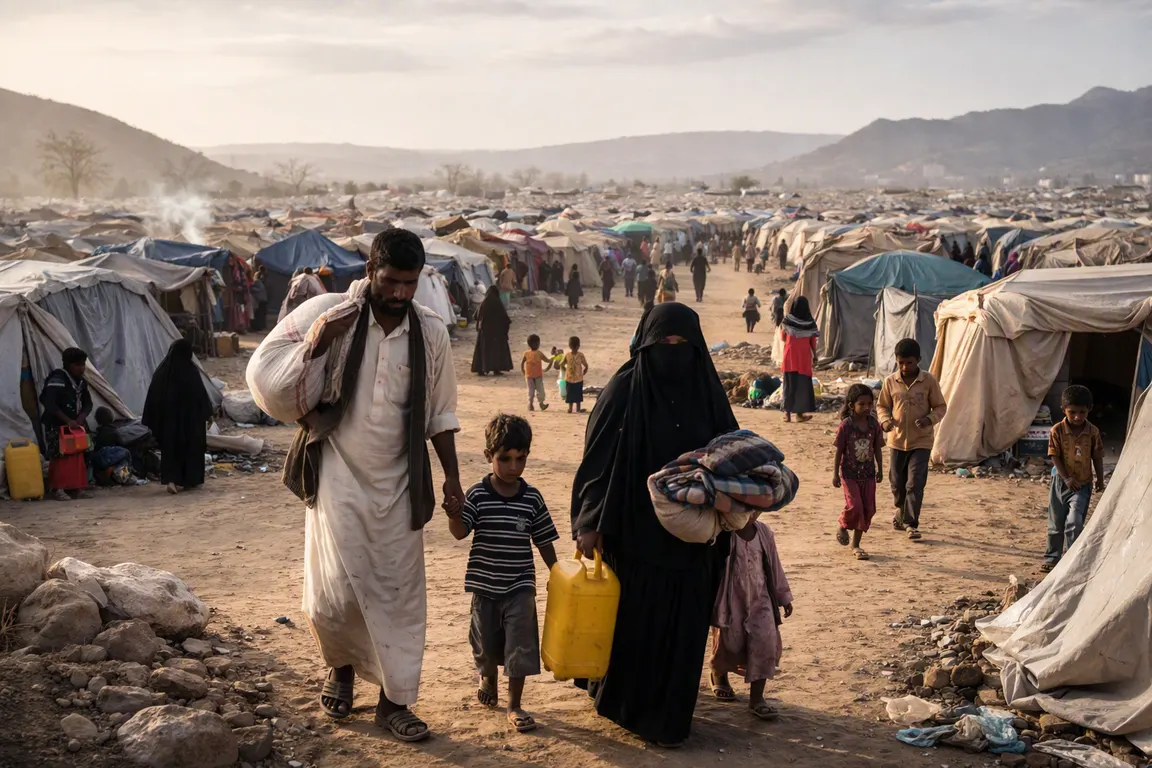
Houthi fighters seized control of the Bab al‑Mandab strait last week, cutting off the Red Sea’s main oil corridor and sparking a fresh wave of displacement in Yemen. The United Nations estimates that more than 100,000 people have been forced from their homes since the latest clashes between Iran‑backed Houthi forces and Saudi‑backed Yemeni troops began. Most of the displaced are sheltering in makeshift camps in northern Yemen or attempting dangerous sea crossings to Djibouti as land routes become increasingly unsafe.
Bab al‑Mandab links the Red Sea with the Gulf of Aden and is the primary gateway for Saudi crude bound for Europe and Asia. Any disruption to the narrow passage reverberates through global oil markets; Brent futures rose above $100 a barrel after analysts priced in the risk of delayed Saudi shipments.
In retaliation for a series of missile and drone attacks that wounded 13 civilians in the Saudi cities of Khamis Mushait, Abha and Taif, Riyadh launched more than 50 airstrikes on Houthi‑held positions along Yemen’s Red Sea coast. Saudi officials said the strikes targeted missile launch sites and command facilities, but independent verification of the targets remains limited.
Claims that Iran is directing the Houthi offensive continue to circulate, yet no independent evidence has emerged to confirm Tehran’s involvement in the latest attacks. Iran has publicly denied any military role, leaving the extent of external support ambiguous.
The humanitarian fallout is stark. Families fleeing front‑line towns are boarding overcrowded boats that lack navigation equipment, exposing passengers to capsizing or interception by naval forces. Shipping companies operating in the Red Sea report higher insurance premiums and are weighing alternative routes around the Cape of Good Hope, a detour that adds weeks to transit times and raises freight costs.
Global oil markets are already feeling the strain. The Guardian reported that the price surge reflects investors’ concerns over a potential choke‑point that handles a significant share of Saudi oil exports. Qatar’s foreign ministry warned of a “catastrophe” should the Houthis secure full control of the strait, a scenario that would force Saudi exporters onto longer, more costly pathways.
The United Nations has called for an immediate humanitarian corridor to allow safe passage for civilians and aid convoys, but the parties have yet to agree on terms. As the Saudi coalition prepares its next set of operations, the international community faces a pressing question: can diplomatic pressure and targeted sanctions curb the escalation before Bab al‑Mandab becomes a permanent barrier to oil flow and a conduit for further human suffering?